
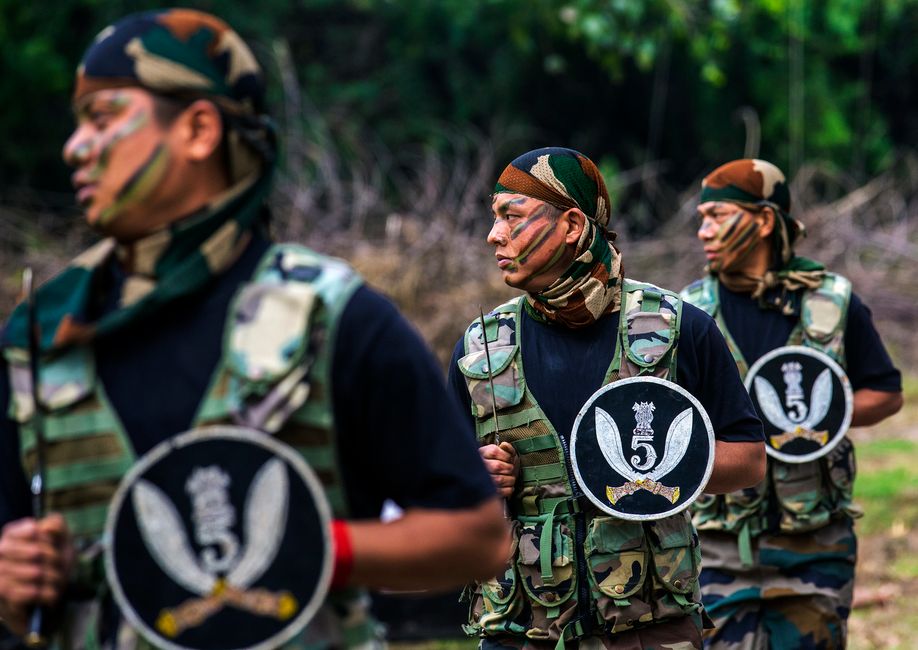
The Combined Forces Command and United States Forces Korea attended a briefing for Ulchi Freedom Shield 2026 on Monday, as South Korea and the United States conducted military drills in response to what officials described as evolving threats from North Korea.
The exercise represents part of ongoing joint drills and alliance activity in the region, according to Reuters. It's the latest demonstration of the military partnership between Washington and Seoul, one that's grown increasingly vital as Pyongyang's weapons programs advance.
Regional Security Framework
The drills underscore the continued reliance on multilateral security cooperation in East Asia, where North Korea's nuclear ambitions have created persistent instability. South Korea depends on the U.S. security umbrella to counter threats that could devastate civilian populations across the Korean Peninsula.
For decades, these joint exercises have served as both deterrent and reassurance to South Korean citizens who live within range of North Korean artillery and missiles. The exercises also reinforce the principle that collective defense arrangements remain essential in a region where unilateral military action could trigger catastrophic consequences.
Alliance Activity Continues
The briefing for Ulchi Freedom Shield 2026 brought together military leadership from both nations to coordinate defensive preparations. These aren't simply symbolic gestures. They're operational planning sessions that integrate forces, test communication systems, and prepare for scenarios that could affect millions of civilians.
The ongoing nature of these drills reflects a strategic commitment that transcends individual administrations in either country. That continuity matters when facing an adversary whose own military development shows no signs of slowing.
Evolving Threats
Officials characterized North Korea's threats as "evolving," language that suggests Pyongyang's capabilities aren't static. While the briefing didn't detail specific new weapons systems or tactics, the framing indicates that defense planners see a changing threat landscape requiring adaptive responses.
For South Korean civilians, particularly those in Seoul and other northern cities, these evolving threats aren't abstractions. They're the reason families maintain emergency supplies and children practice evacuation drills. The military exercises aim to reduce those risks through preparedness and deterrence.
The Combined Forces Command structure itself represents an institutional framework built on the premise that shared security challenges require shared responses. It's a model of international cooperation that center-left security experts have long advocated as preferable to go-it-alone approaches.
Why This Matters:
The Ulchi Freedom Shield drills represent more than military routine. They're a tangible expression of collective security in a region where miscalculation could endanger tens of millions of people. For working families in South Korea, these exercises provide some measure of protection against threats they didn't create and can't individually defend against. The alliance framework offers smaller nations a counterweight to aggressive neighbors, embodying the principle that international cooperation can provide security that no single country could achieve alone. As North Korea's weapons programs continue to develop, the case for sustained multilateral defense arrangements only strengthens. The drills also signal to regional powers that abandoning allies in the face of authoritarian threats isn't an option either nation is considering, a message that carries weight beyond the Korean Peninsula itself.