
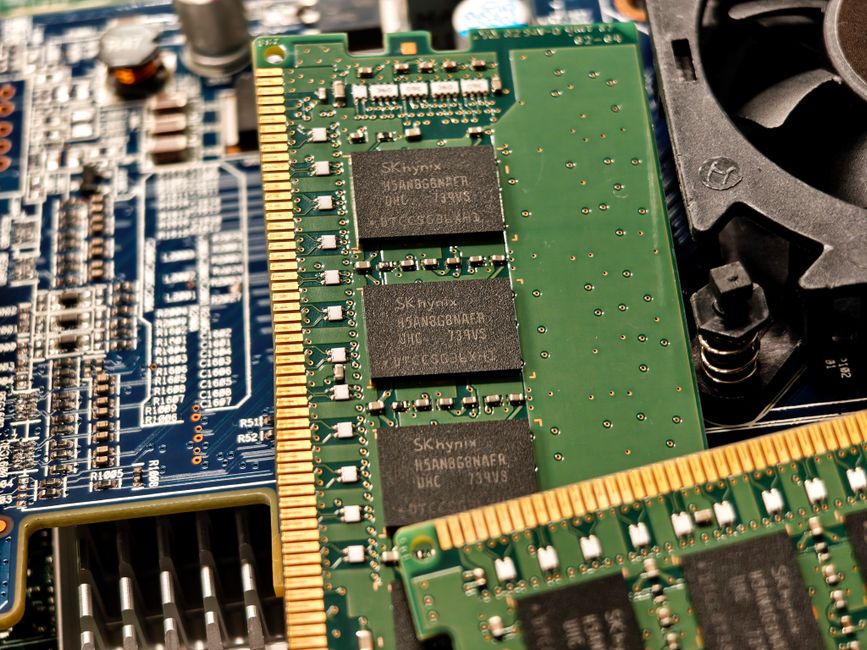
SK Hynix reported operating profit of 83.33 trillion won (US$62.76 billion) for the three months to September, a 632% jump from a year earlier. Revenue hit 104.62 trillion won. The South Korean memory chip maker announced the results on Wednesday, marking its sixth consecutive record quarter.
The margins are the part that jumps off the page. Operating profit, which measures earnings from a company's core business before interest and taxes, equaled 79.7% of revenue in the third quarter. That's up from 72% in the first quarter and 76.3% in the second. Few industries anywhere report numbers like that. Analysts had expected operating profit of about 77 trillion won, so the company didn't just meet a high bar. It cleared it.
What's Driving the Windfall
The engine is demand from the global artificial intelligence chip boom. SK Hynix and its domestic rival Samsung are both riding that wave, according to the base reporting, and the figures show how concentrated the rewards can be when a technology cycle favors a small number of producers. Six straight record quarters isn't a blip. It's a sustained surge flowing to a handful of companies.
The source also notes that Chinese competitors are seeking market share. That competitive pressure is a reminder that these profits sit inside a contest between national industrial strategies, not just a neutral market. Governments that back their chipmakers, and the companies that benefit, are playing for control of a technology that increasingly sits at the center of the global economy.
Who Shares in the Gains
The base article reports profit, revenue, margins and analyst expectations. It doesn't say how the windfall is being distributed, whether to workers, to shareholders, to public coffers or to reinvestment. That gap matters. When a company converts roughly four out of every five won of revenue into operating profit, the questions of wages, taxation and public return become hard to ignore, especially in an economy where an AI-driven boom can leave other sectors and workers behind.
Nor does the source address what the boom means for the broader South Korean economy beyond these two firms. The record results show a business thriving. They don't show whether that prosperity is broad or narrow.
Why This Matters: A 632% profit jump and a 79.7% operating margin show how much value the AI chip boom is concentrating in a very small number of companies. That raises basic questions about who benefits: workers, communities and public budgets, or mainly the firms and their investors. It also underscores how much strategic weight now rests on a handful of memory chip producers, with Chinese rivals pressing for market share. Democratic oversight of industries this central, through fair taxation, labor protections and sensible industrial policy, shapes whether record corporate earnings translate into shared economic security. The numbers are extraordinary. What they mean for ordinary people depends on choices that haven't been made yet.
- sk hynix
- artificial intelligence
- memory chips
- record profits
- south korea
- semiconductor industry
- samsung
- chip demand