
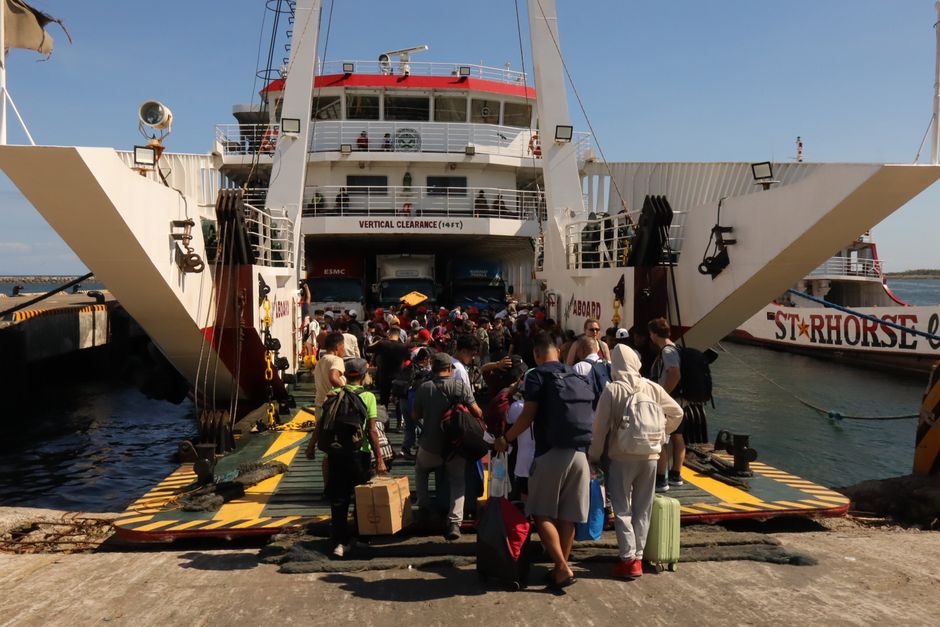
Reuters reported ferry and passenger boat accidents in Southeast Asia, a blunt reminder that ordinary people keep paying the price when transport systems are left to run on neglect and risk. The region’s maritime safety problems keep surfacing in the same way: after the damage, after the panic, after the bodies and wreckage force attention that the authorities should have earned long before.
Who Pays When Safety Fails
Ferry and passenger boat accidents in Southeast Asia have highlighted ongoing maritime safety incidents in the region. That’s the core fact, and it’s the one that matters most to the people who board these boats because they have to, not because they trust the system. When maritime safety becomes a recurring headline, the burden falls on passengers and crews at the bottom, while the institutions responsible for oversight keep their distance.
Reuters described the accidents as part of an ongoing pattern. That word matters. Ongoing means not fixed, not solved, not even seriously contained. It means the same machinery keeps producing the same danger, and the people with the least power are the ones forced to live with it.
The System Keeps Moving, So Do the Risks
The article points to Southeast Asia as the region where these ferry and passenger boat accidents are happening. No single incident is described here, but the broader picture is clear enough: maritime transport remains a site of repeated failure, and those failures land on ordinary people first. The boats keep running. The danger keeps traveling with them.
That’s how hierarchical systems work when safety is treated as an afterthought. The public gets told to trust the apparatus, while the apparatus keeps showing what its trust is worth. The people on the water don’t get to vote on whether the boats are safe in the moment that matters. They get the consequences.
What Reuters Said
Reuters reported ferry and passenger boat accidents in Southeast Asia, highlighting ongoing maritime safety incidents in the region. That’s the full scope of the source material, and it still says plenty. The region’s transport networks are not presented as secure, reliable public goods here. They appear as recurring danger zones where the cost of failure is measured in human lives and injuries, not in the polished language of officials.
There’s no reform package in the source, no rescue plan, no comforting promise that the next inspection will magically fix what the last one didn’t. Just the fact of repeated accidents and the grim normality that surrounds them. That normality is its own indictment.
When safety depends on institutions that only seem to notice after disaster, people are left to absorb the risk themselves. They ride because they must. They wait because they have no better option. And when the boats fail, the headlines arrive late, as usual.
The accidents in Southeast Asia stand as another example of what happens when transport is managed through systems that prioritize motion over protection and appearance over accountability. The water doesn’t care about official statements. The passengers do.