
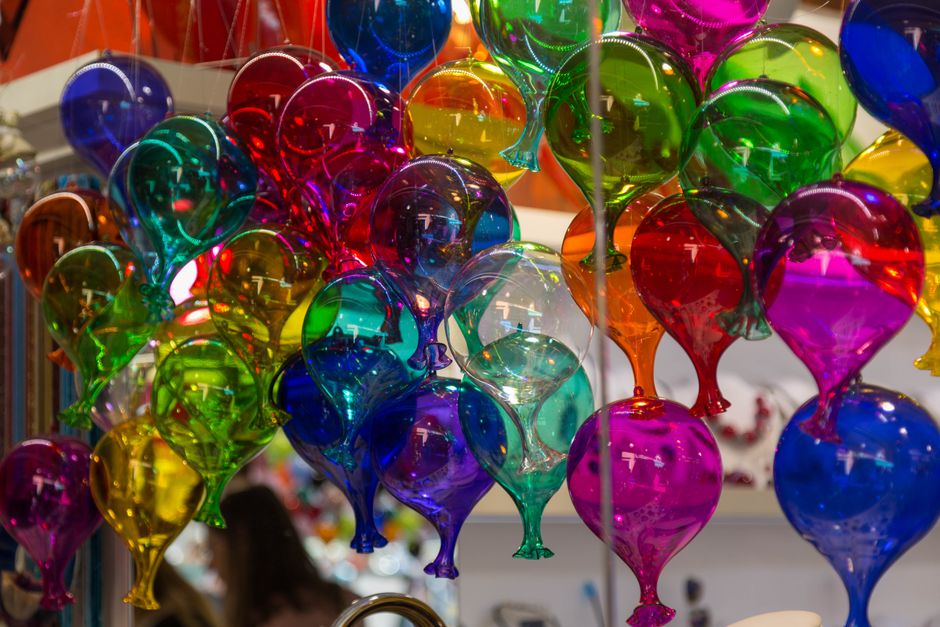
St Helens has welcomed glass artists and makers from across the world for the International Festival of Glass, the first time the Merseyside town has hosted the event. The festival arrives wrapped in celebration, but the harder fact sits underneath it: in October 2025, The World of Glass feared it would have to shut on Chalon Way East because of rising costs. That’s the kind of pressure ordinary institutions face when money tightens and the people who actually make and maintain culture are left to absorb the squeeze.
Heritage, Work, and the Price Tag
The festival coincides with Pilkington glass manufacturer's 200th anniversary. More than 80 glass artists from 23 different countries will be featured across the weekend, with exhibitions, demonstrations and community events taking place at a range of locations. The official language is all heritage and pride. The material reality is that cultural life depends on labour, money, and the ability of institutions like The World of Glass to survive rising costs without being pushed to the edge.
Brandi Clark, executive director at New York based Glass Art Society, called the festival "a chance to celebrate both the art form and the rich heritage of glass which can be found in St Helens." She said, "Glass has been in St Helens for as long as people can remember it." She added, "We've met people here that are third-generation glass workers and the pride that is in St. Helens around glass is something that really resonated with us." The words are warm enough. The structure around them is less so. Heritage gets celebrated once the bills are paid, and only if the place survives long enough to host the party.
The Industry and Its Gatekeepers
The festival also brings together leading glass professionals to share knowledge and help develop new skills. Glass sculptor Elliot Walker said the festival was an important way for people to connect with the industry. "We're a very niche community but everyone has the same sort of ethos, everyone has the same work ethic and the same sort of struggle," he said. "Events like this are actually really good for students to connect with makers, look for jobs, look for experiences." That’s the polite version of how cultural work gets reproduced: students looking for jobs, makers looking for opportunities, and a niche industry keeping itself alive through networking, skill-sharing and the hope that the next generation can find a place inside it.
The festival’s scale matters. More than 80 artists from 23 countries don’t just turn up by accident. They arrive through institutions, schedules, funding, and the quiet machinery that decides which arts survive and which ones get left to fend for themselves. The event spreads across a range of locations, which gives it the feel of a town-wide celebration. It also shows how dependent local cultural life is on organised support, and how quickly that support can wobble when costs rise.
A Museum Nearly Shut, Then a Milestone
Sarah Taylor, executive director of The World of Glass, said the festival represents a major milestone for both the museum and the town. In October 2025, the museum feared it would have to shut due to rising costs. "To have come from nearly closing just a year ago to hosting an event of this scale is something we're incredibly proud of," Taylor said. "St Helens has a world-famous glass heritage and this is our chance to show that it's not just part of our past, but our future too."
That’s the whole contradiction in one neat package. A museum nearly closes because of rising costs, then reappears as a site of civic pride once a major festival lands on its doorstep. The town gets told its heritage is alive and future-facing. Fine. But the fact that the museum was close to shutting less than one year ago says more about the fragility of cultural institutions than any anniversary speech ever could.
The festival may celebrate glass as craft, industry and local identity. It also shows how precarious that identity is when survival depends on budgets, anniversaries and the ability to keep the doors open long enough for the cameras to arrive.