
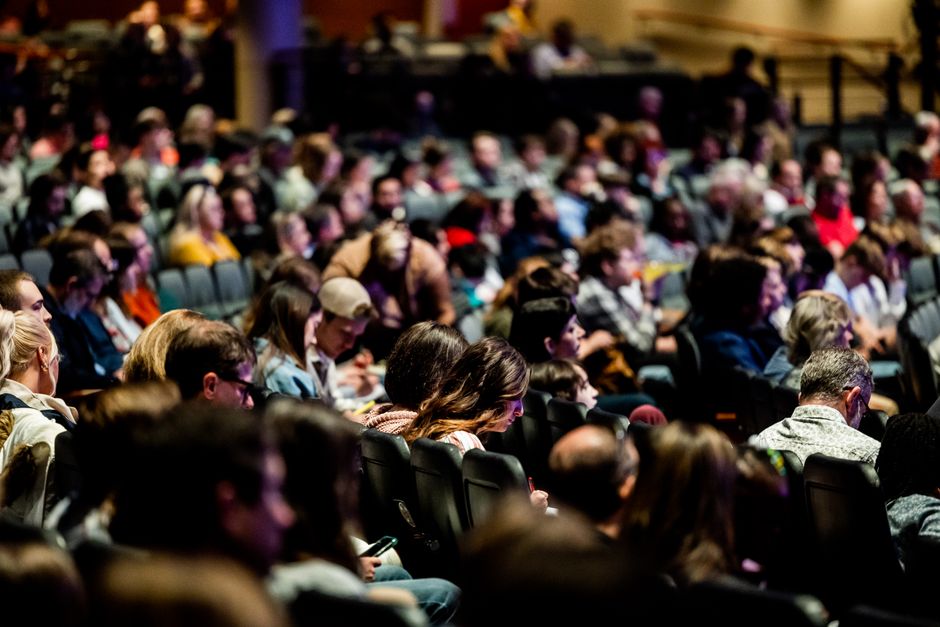
NPR's Throughline gave a name to something many theatergoers have felt for years: “standing ovation inflation.” Published October 13, 2026, the episode describes how standing and clapping for live performances can feel mandatory. It asks whether the “please clap era” has gone too far.
It's a small question with a bigger one tucked inside. When an honor that once signaled something rare becomes automatic, what happens to people in the seats who don't feel like rising?
A Habit With a Long History
The episode doesn't present applause as a modern invention. It traces the practice from Shakespeare's epilogues to Broadway divas and, as the program puts it, extremely long film-festival ovations. Those traditions, Throughline argues, shaped how audiences clap today. Applause has always involved a negotiation between performer and crowd. Who sets the terms now?
Throughline invited two guests to explore that history. Roger Gilbert is a professor in the Department of Literatures in English at Cornell. Kyle Buchanan is a reporter and columnist for The New York Times. Together, they trace how a gesture of appreciation hardened into something closer to an expectation.
The Pressure to Stand
The episode's central framing deserves a closer look. If standing and clapping feel mandatory, the response isn't spontaneous anymore; it's a social obligation. Anyone who's stayed seated while a whole row rose knows the awkward calculation: join in, or look like the one person who didn't care.
That pressure doesn't fall evenly. Audience members with disabilities, older patrons, or anyone who simply wasn't moved can become outliers when standing turns into the default. The source material doesn't spell out those specific impacts. Still, the premise—that the gesture has become compulsory—raises the question of who gets left out most easily when everyone is expected to do the same thing at the same moment.
The Production Behind the Conversation
Rund Abdelfatah, Schuyler Swenson, Liana Simstrom, Jasmine Romero, Julia Redpath, Amy Pedulla, Sarah Wyman, Molly Marcello and Irene Noguchi presented the episode. Its listed listening time is 16 minutes, 22 seconds.
NPR also stated its standards on the page. The network said it doesn't offer or accept money for coverage or interviews, and that anyone making such an offer or request isn't an NPR employee and doesn't represent NPR. The page also promoted NPR+, described as offering sponsor-free listening and perks for more than 25 podcasts.
Why This Matters:
On its face, this is a story about theater manners. Underneath, it's about social norms hardening until they no longer feel like choices. When a gesture meant to honor exceptional work becomes routine, it loses its power to distinguish the extraordinary from the ordinary. That cheapens the recognition for performers who've earned it. It also places a burden on audience members who can't or won't comply. A public ritual meant to be shared can quietly become exclusionary.
Shared cultural spaces work best when participation is voluntary and everyone has room to respond in their own way. NPR's decision to examine the habit, with historians and critics weighing in, reminds us that even our smallest collective customs deserve a second look. The episode's listed listening time is 16 minutes, 22 seconds.