
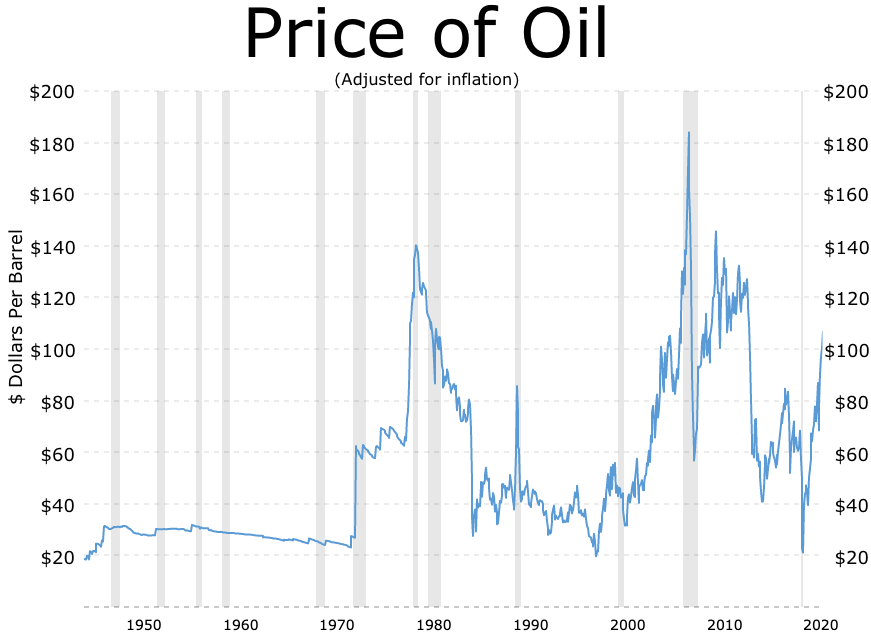
Wall Street faced significant headwinds today as the Dow Jones Industrial Average tumbled more than 450 points, driven by surging oil prices and deteriorating confidence in diplomatic efforts with Iran. The sharp decline underscores growing concerns about energy costs and geopolitical instability that could threaten the economic recovery and burden American households already grappling with cost-of-living pressures.
The market selloff reflects mounting anxiety among investors as crude oil prices continue their upward trajectory, raising fears of renewed inflationary pressures just as the Federal Reserve has been working to stabilize prices. Higher energy costs ripple through the entire economy, affecting everything from transportation and manufacturing to consumer goods, potentially eroding the purchasing power of working families.
Energy Prices and Economic Stability
The surge in oil prices comes at a particularly challenging moment for policymakers attempting to balance economic growth with price stability. Rising energy costs disproportionately impact lower and middle-income households, who spend a larger percentage of their budgets on gasoline, heating, and other energy-dependent necessities. This development threatens to undermine recent wage gains and could force difficult choices for families already stretched thin by housing costs and other expenses.
The connection between oil prices and broader market performance highlights the vulnerability of the American economy to global energy markets. This interdependence reinforces the urgent need for accelerated investment in renewable energy infrastructure and domestic clean energy production, which would reduce exposure to volatile fossil fuel markets and create good-paying jobs in emerging industries.
Diplomatic Concerns Compound Market Anxiety
Adding to investor unease are growing doubts about ongoing negotiations with Iran, which have implications for both regional stability and global oil supplies. The uncertainty surrounding these diplomatic efforts creates additional volatility in energy markets, as investors struggle to assess the likelihood of various outcomes and their potential impact on oil production and distribution.
The stalled negotiations underscore the importance of sustained diplomatic engagement and multilateral cooperation in addressing complex international challenges. A successful diplomatic resolution would not only help stabilize oil markets but also demonstrate the effectiveness of patient, coalition-based approaches to foreign policy challenges, contrasting sharply with more confrontational strategies that can escalate tensions and create additional economic uncertainty.
Market analysts note that the combination of rising energy costs and geopolitical uncertainty creates a particularly challenging environment for economic policymakers, who must navigate between supporting growth and containing inflation while maintaining stability in financial markets.
Why This Matters:
This market decline carries significant implications for working Americans and the broader economy. Rising oil prices function as a regressive tax, hitting hardest those who can least afford it while potentially triggering broader inflationary pressures that erode real wages. The situation reinforces the economic and national security case for transitioning away from fossil fuel dependence through substantial public investment in renewable energy, electric vehicle infrastructure, and energy efficiency programs.
Moreover, the market's reaction to diplomatic uncertainty with Iran highlights the real-world economic consequences of foreign policy decisions. It demonstrates why sustained diplomatic engagement, multilateral cooperation, and evidence-based policymaking matter for American families' economic security. The volatility also underscores the need for robust social safety nets and progressive economic policies that protect vulnerable households from external shocks beyond their control. As policymakers respond to these challenges, they must prioritize both immediate relief for struggling families and long-term structural changes that build a more resilient, equitable, and sustainable economy less vulnerable to fossil fuel price swings and geopolitical instability.