
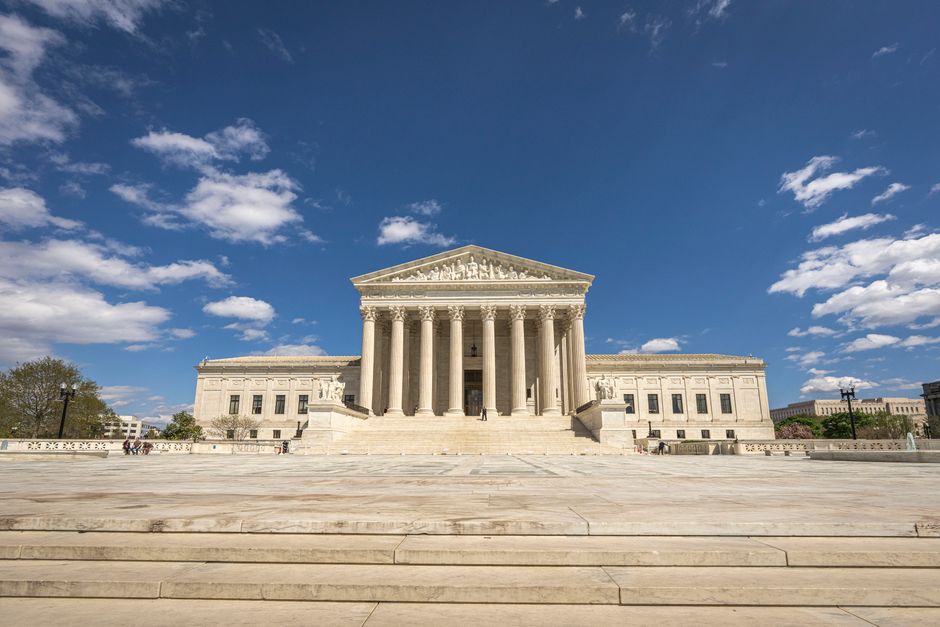
The Supreme Court on Monday extended emergency access to the abortion pill mifepristone through telehealth visits, temporarily blocking a lower court ruling that would have forced patients to obtain the medication only through in-person appointments. The extension until Thursday at 5 p.m. ET preserves a critical healthcare access point for patients nationwide as the justices weigh whether to allow a Louisiana challenge to federal drug policy to upend decades of pharmaceutical regulation.
Justice Samuel Alito issued a temporary order last week that allowed widespread access to the drug while the court considered the case. That administrative order had been set to expire Monday evening, and the new order extends the stay. The order keeps on hold a May 1 decision from the 5th U.S. Circuit Court of Appeals that had required women to obtain the drug through in-person visits.
Patient Access in Jeopardy
The case represents the most significant abortion dispute to reach the high court in the fourth year since Roe v. Wade was overturned. After the fall of Roe in 2022, many conservative states banned in-clinic abortions, which increased demand for mifepristone. Medication abortions accounted for nearly two-thirds of all abortions in the U.S. in 2023, the last year for which statistics are available. The drug is most often used for abortion in combination with misoprostol.
Louisiana sued the Food and Drug Administration last year over its policy allowing telehealth access to the pill, asserting in part that the Biden-era regulation undermined its abortion ban. A federal district court in April partly sided with the state, finding that the FDA's policy was arbitrary and capricious because the agency did not have adequate data to judge the drug's safety, but the district court held its own decision to give FDA time to complete a review of the drug.
Healthcare Providers Describe Chaos
A 5th Circuit panel of three judges, all appointed by Republican presidents, put the FDA's rule about mifepristone on hold earlier this month, meaning patients seeking to access the drug over the weekend were suddenly required to do so with in-person visits. Medical providers described the hours following that order as some of the craziest and most chaotic they've experienced.
Danco Laboratories, the maker of mifepristone, filed an emergency appeal on May 2, warning of the chaos. GenBioPro, which makes a generic version of the drug, filed its own appeal asserting that the 5th Circuit's ruling risked cutting off access for patients nationwide.
Broader Implications for Drug Regulation
Mainstream medical groups, the pharmaceutical industry and Democratic members of Congress have weighed in cautioning the court against limiting access to the drug. Pharmaceutical companies said a ruling for abortion opponents would upend the drug approval process. The FDA has eased a number of restrictions initially placed on the drug, including who can prescribe it, how it is dispensed and what kinds of safety complications must be reported.
Despite those determinations, abortion opponents have been challenging the safety of mifepristone for more than 25 years. They have filed a series of petitions and lawsuits against the agency, generally alleging that it violated federal law by overlooking safety issues with the pill.
Political Silence from Administration
President Donald Trump's administration has been unusually quiet at the Supreme Court. It declined to file a written brief recommending what the court should do, even though federal regulations are at issue. The case puts Trump's Republican administration in a difficult place. Trump has relied on the political support of anti-abortion groups but has also seen ballot question and poll results that show Americans generally support abortion rights. Both sides took the silence as an implicit endorsement of the appellate ruling.
The current dispute is similar to one that reached the court three years ago. Lower courts then also sought to restrict access to mifepristone in a case brought by physicians who oppose abortion. The Supreme Court blocked the 5th Circuit ruling from taking effect over the dissenting votes of Alito and Justice Clarence Thomas. Then, in 2024, the high court unanimously dismissed the doctors' suit, reasoning they did not have the legal right, or standing, to sue.
Alito is both the justice in charge of handling emergency appeals from Louisiana and the author of the 2022 decision that declared abortion is not a constitutional right and returned the issue to the states.
Why This Matters:
This case affects healthcare access for millions of patients who rely on telehealth services to obtain essential reproductive care, particularly in states where clinic-based abortion is banned. The uncertainty created by lower court rulings has already generated chaos for medical providers and patients seeking time-sensitive care. Beyond abortion access, the dispute threatens to undermine the FDA's authority to regulate prescription medications based on scientific evidence, potentially allowing state-level challenges to federal drug approval processes. The pharmaceutical industry's concerns about regulatory stability underscore how this case could reshape the relationship between federal health agencies and state restrictions. With medication abortions representing nearly two-thirds of all abortions nationwide, any restriction on telehealth access would disproportionately burden patients in rural areas, low-income communities, and regions where in-person abortion services are already limited or nonexistent.