
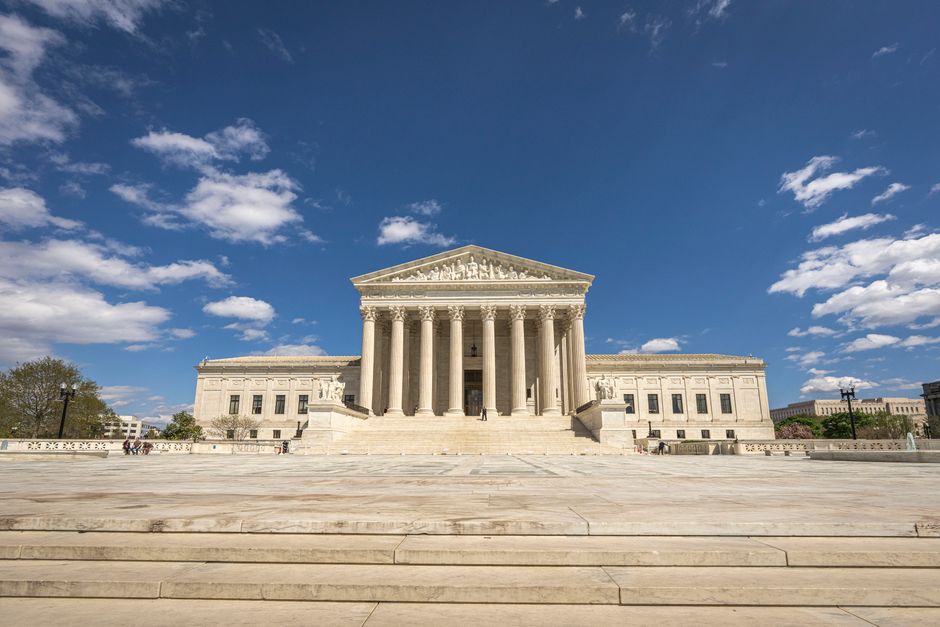
The Supreme Court on Monday extended a short-term order, allowing patients to continue accessing the abortion pill mifepristone via telehealth while justices deliberate, a move that temporarily preserves a critical avenue for healthcare access for working people. This extension delays a May 1 decision from the 5th U.S. Circuit Court of Appeals that would have mandated in-person visits for the drug, directly impacting the nearly two-thirds of U.S. abortions in 2023 that relied on medication.
Justice Samuel Alito had previously issued a temporary order last week, which allowed widespread access to the drug, and the new order extends this stay until Thursday at 5 p.m. ET. This temporary measure leaves the fundamental question of access unresolved, managing a system contradiction rather than addressing the structural barriers to healthcare.
The 5th Circuit panel, composed of three judges appointed by Republican presidents, had earlier this month put the FDA’s rule regarding mifepristone on hold, suddenly requiring patients seeking the drug over the weekend to obtain it through in-person visits. Medical providers described the hours following that order as some of the craziest and most chaotic they had experienced, highlighting the immediate disruption to healthcare provision.
This legal battle represents the most significant case involving abortion to reach the high court since the overturning of Roe v. Wade in 2022, marking the fourth year since that decision returned abortion rights to state control. Following the fall of Roe, many conservative states implemented bans on in-clinic abortions, which subsequently increased demand for mifepristone as a primary method of care.
The state of Louisiana initiated a lawsuit against the Food and Drug Administration last year, challenging its policy allowing telehealth access to the pill. Louisiana asserted that the Biden-era regulation undermined its state-level abortion ban, demonstrating the state apparatus's role in enforcing restrictions on reproductive healthcare.
The State's Hand in Healthcare Control
A federal district court in April partly sided with Louisiana, finding that the FDA’s policy was arbitrary and capricious due to a perceived lack of adequate data on the drug’s safety. However, the district court held its own decision to allow the FDA time to complete a review of the drug, further illustrating the protracted legal maneuvers within the state system.
Danco Laboratories, the manufacturer of mifepristone, filed an emergency appeal 10 days ago, on May 2, warning of the chaos created by the 5th Circuit’s ruling. GenBioPro, which produces a generic version of the drug, also filed an appeal, asserting that the ruling risked cutting off access for patients nationwide, revealing the pharmaceutical industry's stake in maintaining market access and distribution channels.
The current dispute mirrors a similar one that reached the Supreme Court three years ago, where lower courts also sought to restrict access to mifepristone in a case brought by physicians opposing abortion. In that instance, the Supreme Court blocked the 5th Circuit ruling from taking effect, with Justices Alito and Thomas dissenting, indicating a consistent faction within the highest court seeking to limit access.
In 2024, the high court unanimously dismissed the doctors’ suit, ruling they lacked the legal right, or standing, to sue. This decision, while appearing to protect access, was based on procedural grounds rather than affirming the right to healthcare, showcasing how legal technicalities can manage, but not resolve, fundamental conflicts over access.
Profits Over People: Industry's Stake
Mainstream medical groups, the pharmaceutical industry, and Democratic members of Congress have all weighed in, cautioning the court against limiting access to the drug. Pharmaceutical companies specifically stated that a ruling for abortion opponents would "upend the drug approval process," underscoring their concern for the stability of their regulatory environment and profit streams.
Despite the FDA having eased various restrictions on the drug, including who can prescribe it, how it is dispensed, and what safety complications must be reported, abortion opponents have challenged mifepristone's safety for more than 25 years. These opponents have filed a series of petitions and lawsuits against the agency, consistently alleging violations of federal law by overlooking safety issues, demonstrating a sustained, organized effort to restrict access.
Managing Contradictions, Not Solving Crises
President Donald Trump’s administration has remained unusually quiet at the Supreme Court, declining to file a written brief recommending a course of action, despite federal regulations being at issue. This silence was interpreted by both sides as an implicit endorsement of the appellate ruling, illustrating how state inaction can serve specific political and class interests.
Justice Alito, who is responsible for handling emergency appeals from Louisiana, also authored the 2022 decision that declared abortion is not a constitutional right, returning the issue to the states. His dual role highlights the concentration of power within the state apparatus to shape fundamental aspects of working-class life and healthcare.