
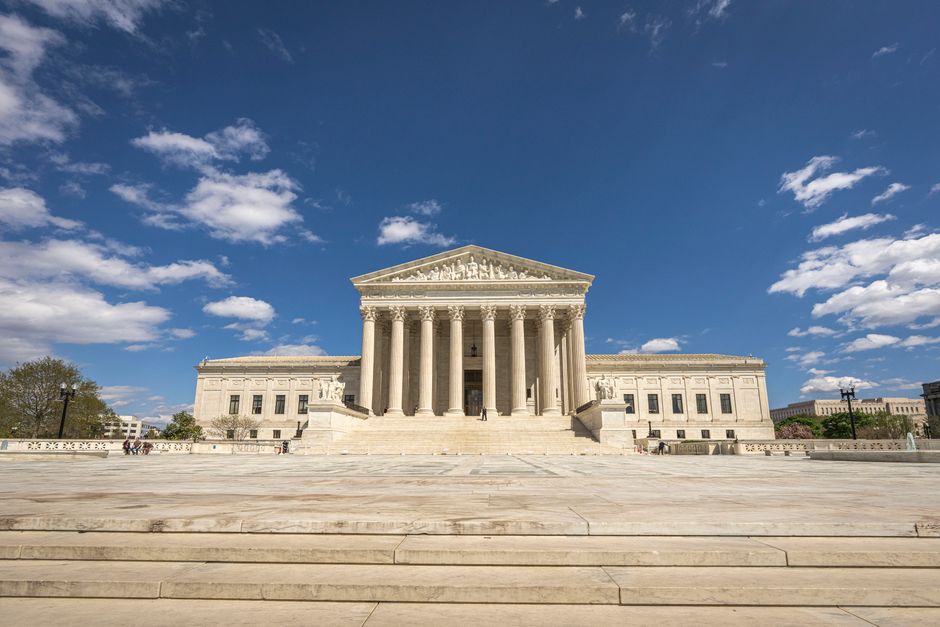
The Supreme Court on Monday agreed to hear from Catholic preschools that say Colorado is using its taxpayer-funded universal preschool program to enforce nondiscrimination rules against them, after the schools were excluded because they will not admit children from LGBTQ+ families.
Who Gets to Set the Rules
The case puts Colorado’s public preschool program, created by a 2020 ballot measure in the sixth year, under the microscope of a court increasingly willing to bless religious claims while narrowing protections for LGBTQ+ people. The justices will hear from Colorado’s St. Mary Catholic Parish and the Archdiocese of Denver, which are supported by the Republican Trump administration. The schools argue that Colorado is violating their religious rights by barring them from the program over their faith-based admission policies.
The dispute is over who gets access to public money and on what terms. Colorado said religious schools are welcome to participate but are required to follow nondiscrimination laws. The state said income and disability decisions are in line with those rules. The schools, meanwhile, say the state has allowed other preschools to prioritize children with disabilities or those from low-income families, so admission based on religious beliefs about gender and same-sex marriage should be allowed, too.
Public Funding, Private Gatekeeping
The program at the center of the fight provides public funding for preschool at schools selected by parents. That arrangement has now become the battleground for a familiar power struggle: public money flowing through institutions that still want the right to sort children by doctrine. The plaintiffs are represented by the group Becket Fund for Religious Liberty.
Nicholas Reaves, a senior counsel at Becket, framed the case as a fight over access to government benefits, saying, "The Supreme Court has repeatedly held that states cannot exclude families from government benefits because of their faith. We’re confident the Court will say the same thing here and put a stop to Colorado’s no-Catholics-need-apply rules."
Colorado’s position is that participation in the program comes with nondiscrimination requirements. The state says religious schools can join, but not while imposing admission policies that exclude children from LGBTQ+ families. That is the basic tension here: public funding on one side, institutional religious control on the other, with families and children caught in the middle of a system built from above.
The Court’s Broader Pattern
The case will be heard in the fall, and the court will also consider narrowing a landmark 1990 decision over the spiritual use of peyote, a cactus that contains a hallucinogen called mescaline. That opinion, written by conservative icon Justice Antonin Scalia, found religious practices do not create exemptions from broadly applicable laws. The justices declined a push from the schools, along with a Catholic family in Colorado, to overturn the ruling.
The high court recently has backed other claims of religious discrimination while taking a more skeptical view of LGBTQ+ rights. The justices last month ruled against another law in Colorado that banned "conversion therapy" for LGBTQ+ kids after the measure was challenged by a Christian counselor. Last year, the justices found that parents who have religious objections can pull their children from Maryland public school lessons that use LGBTQ+ storybooks. In 2022, the court found a high school football coach who knelt and prayed on the field after games was protected by the Constitution.
The court also deadlocked over a plan to establish a publicly funded Catholic charter school after Justice Amy Coney Barrett recused herself. That split left the larger question unresolved, but the pattern is clear enough: public institutions keep getting asked to bankroll religious power, while the people most affected by those decisions are expected to accept the terms handed down from above.
For now, the case heads to the fall, where the justices will decide whether Colorado can keep its universal preschool program tied to nondiscrimination rules, or whether religious schools can claim public funding while refusing children on the basis of their families.