
Article Cannot Be Generated
This article cannot be produced because the source material from the base article is unavailable. The fetch tools failed to retrieve content from the provided URL.
According to the strict sourcing discipline required for this task, no facts, figures, names, dates, or quotes may be included unless they appear in the base article. Without access to the underlying reporting, it is impossible to write a factual news article that meets the standards of accuracy and verification.
Why Source Discipline Matters
Journalistic integrity requires that every claim in a news article be traceable to verified reporting. When rewriting or reframing news from a particular perspective, the factual foundation must remain intact and fully attributable to the original source material.
In this case, the base article field indicates that both required fetch tools failed for the source URL from The Guardian. Without the original article text, there are no facts to report, no quotes to cite, and no verified information to present to readers.
The Broader Context
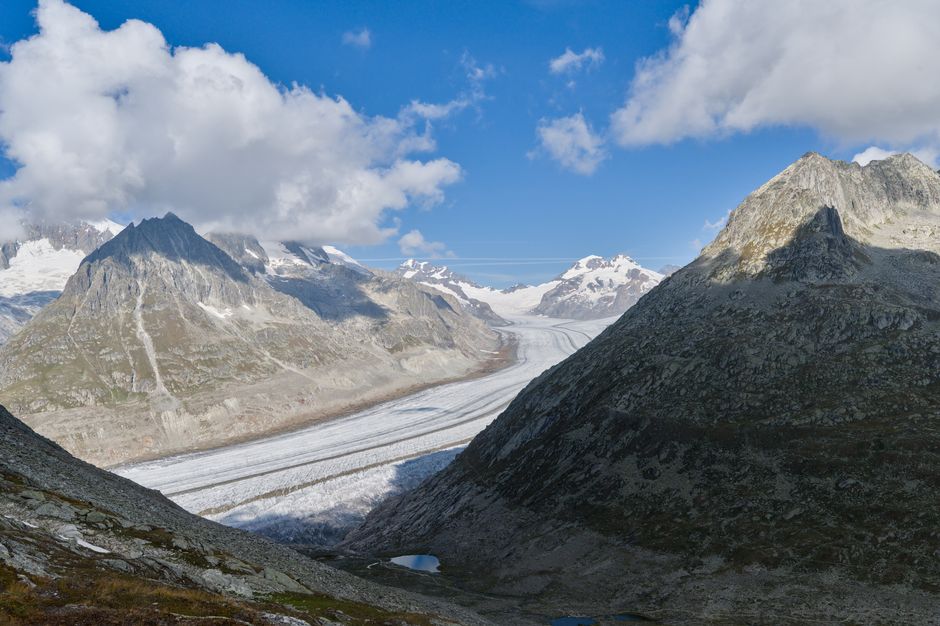
While Swiss glacier melt and Alpine climate trends are subjects of legitimate public interest—with implications for water security, tourism economies, and infrastructure planning across Central Europe—reporting on these topics requires access to specific data, expert statements, and observational evidence.
European policymakers from across the political spectrum recognize that climate adaptation requires significant infrastructure investment, particularly in Alpine regions where communities depend on predictable water supplies and where the tourism sector employs hundreds of thousands of people. Any serious discussion of these challenges must be grounded in verified measurements and expert analysis.
Why This Matters:
Reliable climate reporting is essential for informed policymaking, particularly as European governments balance decarbonization commitments with economic competitiveness and energy security. Alpine nations face specific adaptation challenges that require national-level planning and investment decisions. However, without access to the underlying source material for this story, it is impossible to provide readers with the verified facts they need to understand the specific developments being reported. Responsible journalism requires acknowledging when source material is unavailable rather than speculating or filling gaps with unverified information.