
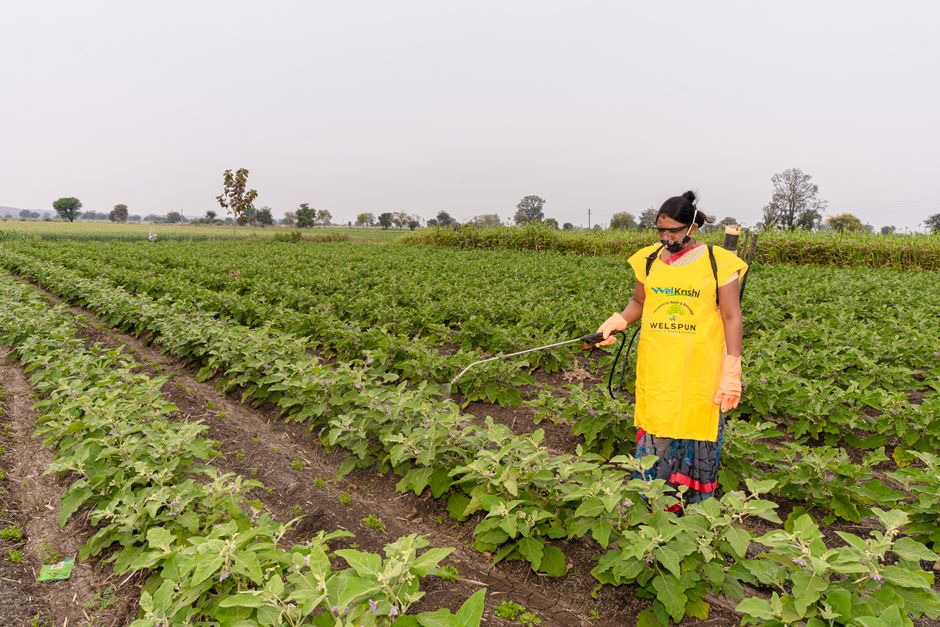
Syngenta is abandoning the Australian paraquat market after the nation's pesticide regulator imposed stricter limits on the controversial herbicide linked to Parkinson's disease, leaving farmers dependent on generic alternatives manufactured primarily in China.
The company announced Friday it's ending sales of paraquat in Australia and New Zealand following the Australian Pesticides and Veterinary Medicines Authority's new restrictions last month and what it called a commercial review. The decision comes despite the APVMA stopping short of an outright ban, instead finding no evidence the chemical increased Parkinson's risk if used safely under its "significant restrictions."
Commercial Exit After Regulatory Pressure
"Regulatory constraints, combined with a highly complex and increasingly expensive supply chain, have made the paraquat herbicide products commercially unviable," managing director David Van Ryswyk said in a statement. The company had already announced plans four months ago to end production at its UK plant, ceasing global manufacturing by the end of June.
Syngenta initially committed to supplying Australian farmers through a third-party manufacturer. That arrangement is now ending as well. "Dedicating significant resources to unprofitable legacy products is no longer sustainable," Van Ryswyk said. "Paraquat has been a highly valued productivity and conservation tool for many Australian and New Zealand growers. This decision, while difficult, allows us to redirect our resources."
Generic versions of paraquat will continue to be sold in Australia by other companies, though the shift raises questions about supply chain oversight and regulatory compliance.
Farmers Face Uncertainty Over Supply and Safety Standards
Western Victorian farmer and Grain Producers Australia spokesman Andrew Weidemann said Syngenta's exit created uncertainty for the agricultural sector. "Syngenta has been the stable foundation of this market for decades," he said. While many other paraquat chemicals remain available, "unfortunately, most of them [are] coming out of China."
"[Syngenta's] withdrawal leaves some important questions about what happens next," Weidemann said. He expressed concern that the company's departure would complicate implementation of the APVMA's required label changes. "Some of the changes in grams active and the withholding periods on late applications in crop, that work will fall clearly on the feet of the industry," he said. "So it's going to be a cost and … that's going to be something that we as the industry will have to work through."
The regulatory burden of ensuring compliance with new safety standards now shifts to farmers and smaller generic manufacturers, raising questions about whether adequate protections will be maintained without the resources of a major agrochemical corporation.
Regulatory Response
Syngenta said it would manage the phase-out in strict alignment with the APVMA's designated sell-out and use-by timelines. The APVMA declined to comment on the commercial decisions of individual companies.
The APVMA's new limits and conditions on paraquat use, introduced last month, came after years of scientific debate about the herbicide's links to Parkinson's disease. While the regulator determined the chemical could be used safely under significant restrictions, it didn't ban the substance outright, leaving the door open for continued use by farmers who rely on it for weed control.
Why This Matters:
Syngenta's withdrawal from Australia's paraquat market shifts the burden of safety compliance onto farmers and generic manufacturers at precisely the moment when stricter protections have been imposed. The move raises critical questions about regulatory oversight when a major corporation with established safety protocols exits and smaller, less-resourced companies fill the gap. With most generic alternatives manufactured in China, the supply chain becomes harder to monitor, potentially undermining the APVMA's effort to reduce health risks. Farmers now face both the cost of implementing new label requirements and uncertainty about product quality and consistency. The episode highlights how market decisions can undercut public health protections, leaving agricultural communities to navigate the gap between regulatory intent and commercial reality. When corporations deem safety compliance "commercially unviable," workers and communities bear the consequences.