
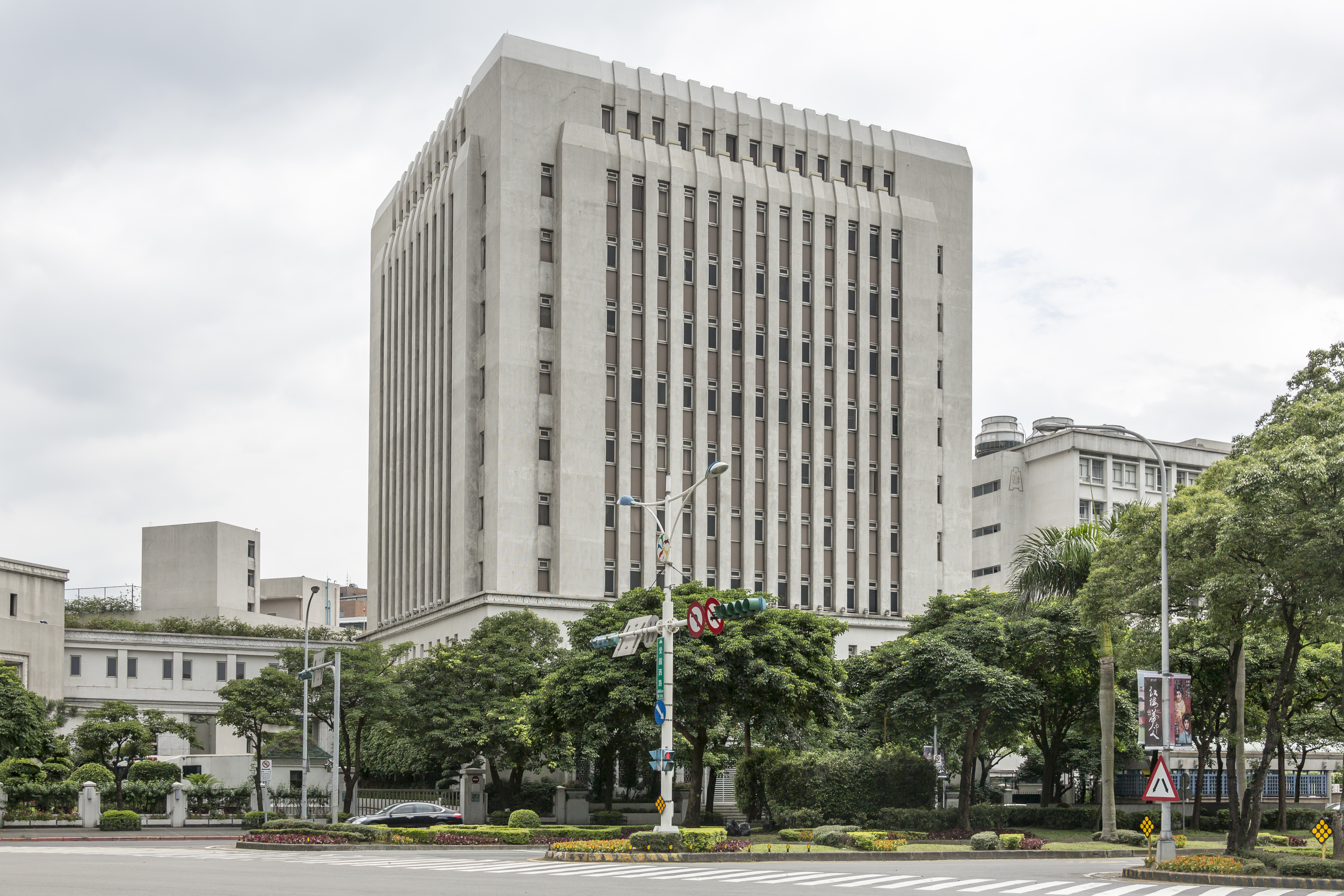
Taiwan’s central bank governor, Yang Chin-long, warned Thursday of an “AI bubble,” acknowledging the inherent instability of capital's current speculative drive. This boom, while a major driving force in Taiwan’s economy, is fueled by "speculative capital expenditures financed by aggressive corporate borrowing" within the tech sector. The central bank, Yang stated, must "carefully monitor the risks."
Governor Yang told lawmakers at a parliamentary hearing that while AI is "driven by real growth potential," the "possibility of over-expansion via over-leveraging" is a significant concern. He clarified that the central bank does have "concerns about the possibility of an AI bubble." This admission highlights the cyclical nature of capitalist expansion, where periods of rapid growth, driven by speculative investment, inevitably lead to the risk of collapse.
This speculative frenzy has propelled Taiwanese stocks to record highs this year, largely anchored by chipmaker Taiwan Semiconductor Manufacturing Co (TSMC). TSMC plays a crucial role in the global AI supply chain, serving tech giants including Nvidia and Apple. The concentration of wealth in this sector is evident in the market's performance.
Nvidia CEO Jensen Huang’s frequent and high-profile visits to the island, including his recent major trip for June events such as Computex and NVIDIA GTC Taipei, underscore the industry's reliance on Taiwan's chip production. TSMC, the world’s biggest contract manufacturer of chips that power AI, reported last month that demand remained high, with customers still upbeat on the AI outlook.
However, TSMC also noted it was monitoring the impact of rising component costs. This signals a potential squeeze on future profit margins for the industry, a common pressure point in capital accumulation.
The State's Role in Managing Crisis
At its quarterly meeting in June, the central bank’s board did not consider inflationary pressures amid the AI boom sufficient to justify an increase in interest rates. This decision to hold rates steady was not unanimous, yet it was made. Governor Yang defended the decision, stating it was appropriate given the "underperformance of traditional industries" relative to the booming tech industry.
This action by the central bank effectively prioritized the continued expansion of speculative capital in the tech industry over broader economic concerns. The state, through its financial institutions, acts to manage the system's contradictions, ensuring the flow of capital to its most profitable avenues, even when it creates systemic risk. It's a clear demonstration of the state's function in protecting accumulated wealth.
Uneven Development and Future Costs
The governor's warning about a bubble is not a flaw in the system but a predictable outcome of its relentless pursuit of profit. While the tech sector booms, workers and enterprises in "traditional industries" face stagnation or decline. This reveals the uneven distribution of wealth and opportunity inherent in the current economic order. The central bank's intervention aims to smooth over these disparities without altering the fundamental mechanisms of wealth concentration. The potential burst of such a bubble would inevitably transfer the costs from speculative capital onto the broader working population.