
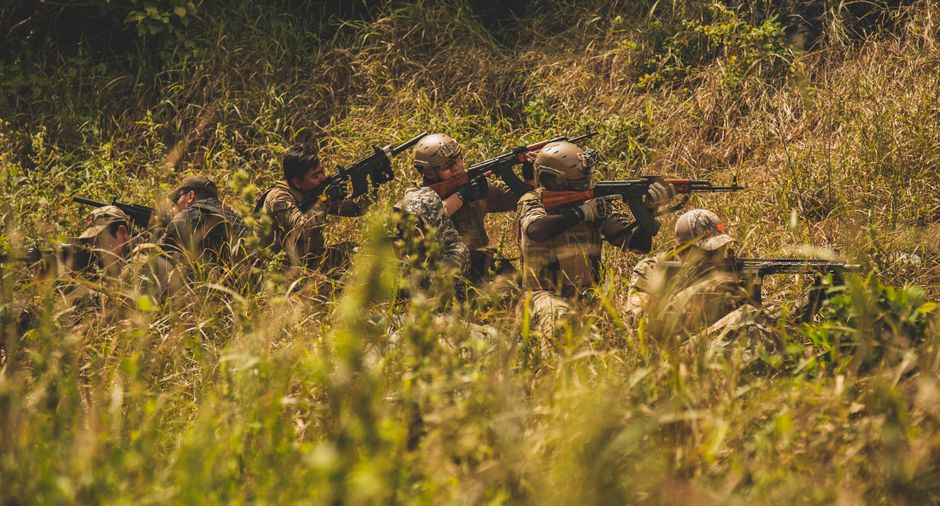
Taiwan held an anti-blockade naval drill during war games as China stepped up maritime pressure. The exercise centered on stopping the Chinese army from using a bridge to move rapidly toward Taipei, a reminder that military planners keep mapping out how to break people’s lives into targets and corridors.
Who Holds the Strait
The drill took place as Taiwan continued measures to deter blockade attempts amid broader tensions in the Taiwan Strait. That’s the language of the apparatus: deterrence, pressure, movement, advance. On the ground, it means armed institutions rehearsing how to control a narrow stretch of water and the people who live under its shadow.
Officials said military plans could include demolishing these bridges if necessary to stop rapid cross-river movement and the PLA’s advance. The bridge isn’t just concrete in this framing. It’s a choke point, a piece of infrastructure turned into a military object, with ordinary people left to live inside the logic of escalation.
What the Drill Was For
The exercise was aimed at preventing the Chinese army from using a bridge to move rapidly toward Taipei. That detail matters because it shows the drill’s purpose wasn’t abstract readiness. It was about blocking a route, slowing an advance, and preparing for the moment when command structures decide that destruction is preferable to movement.
China stepped up maritime pressure, according to the report, and Taiwan answered with war games. The cycle is familiar. One hierarchy flexes, another hierarchy responds, and the people caught between them get handed the bill in the form of drills, threats, and the constant expectation that they should treat militarized routine as normal life.
The article says the drill came amid broader tensions in the Taiwan Strait. Broad is doing a lot of work there. It covers the whole machinery of state power, the kind that turns water, bridges, and cities into strategic assets while everyone else is expected to endure the consequences.
Bridges, Orders, and the Cost Below
Officials said military plans could include demolishing these bridges if necessary. That’s the blunt edge of state planning: if a structure might help an enemy move, destroy it. No room for the people who rely on it, no mention of what gets broken along with the route. The decision sits at the top. The damage lands below.
The PLA’s advance was named directly in the report as the threat planners want to stop. So the drill wasn’t just about defense in the abstract. It was about rehearsing how to obstruct another army’s movement, with infrastructure and geography folded into the logic of command.
Taiwan continued measures to deter blockade attempts. That phrase points to a permanent state of readiness, a society kept on alert while military institutions manage the terms of safety. The public gets told this is protection. The machinery looks a lot like preparation for more control.
China’s maritime pressure and Taiwan’s anti-blockade drill sit inside the same hard frame: competing authorities, each demanding obedience, each treating the region as territory to be managed. The people living there don’t get to set the terms. They get the drills, the warnings, and the threat that bridges may be blown apart if the planners decide the map matters more than daily life.