
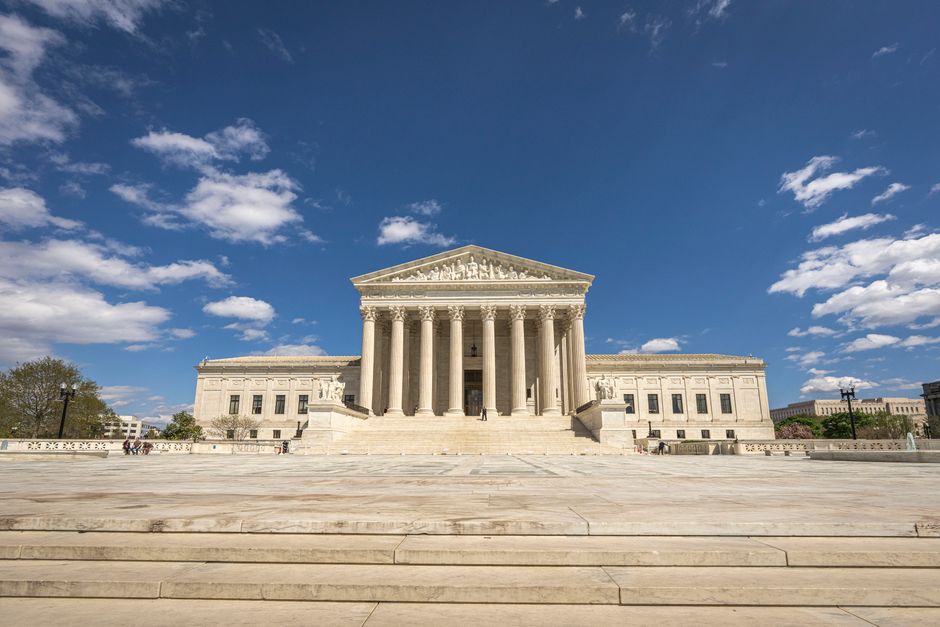
Companies are beginning to receive tariff refunds after a February Supreme Court decision ruled against the prior administration's tariff policies, another reminder that the machinery of trade policy is written at the top and paid for below. The refunds are now starting to flow back to companies after the court decision, with CNBC's Joe Kernen reporting the latest news in a segment on Squawk Box.
Who Gets the Money Back
The base fact here is simple: companies are beginning to receive tariff refunds. Those refunds follow a February Supreme Court decision that ruled against the prior administration's tariff policies. The people and communities that absorbed the costs of those tariffs are not named in the report; the article instead centers the firms now getting money back after the legal system reversed course.
The report says CNBC's Joe Kernen covered the latest news in a segment on Squawk Box. The video was posted two hours ago and runs 3:10. That is the full extent of the source material, but even in that narrow frame the hierarchy is obvious: policy is imposed, challenged in court, and then sorted out through institutional channels that move money between powerful actors while ordinary people remain outside the frame.
What the Court Decided
The February Supreme Court decision is the key event in the story. It ruled against the prior administration's tariff policies, setting up the refunds that are now beginning to reach companies. The source does not provide the details of the ruling, the size of the refunds, or which companies are receiving them. It does, however, make clear that the legal system is the mechanism through which this dispute is being resolved.
That is the familiar arrangement: decisions are made by institutions far above the people who live with the consequences, and then the fallout is managed through another institution even farther removed from everyday life. The refunds are not described as relief for workers, consumers, or communities. They are described as money flowing back to companies, which is exactly where the power sits in this story.
The Apparatus Speaks Through the Screen
The latest update comes through CNBC, with Joe Kernen reporting on Squawk Box. The source notes that the video was posted two hours ago and runs 3:10. No other voices, reactions, or consequences are included in the base article.
What is left unsaid matters here. The article does not mention any grassroots response, mutual aid effort, or direct action from people affected by tariff policy. It does not mention workers, tenants, or consumers organizing around the costs imposed by trade decisions. It does not mention any legislative fix or electoral remedy either. Instead, the story stays inside the narrow corridor of corporate news and court rulings, where the powerful speak to each other and call it public life.
The result is a tidy little loop of authority: an administration sets tariff policy, the Supreme Court rules against it, and companies begin receiving refunds. The source gives no reason to believe the people at the bottom had any say in the matter at any stage. It is a clean example of how economic power and legal power move together, with the public expected to watch the process unfold on television and accept the terms handed down from above.
The report is brief, but the structure is plain enough. The institutions decide. The companies collect. Everyone else gets the bill, the consequences, or the silence.