
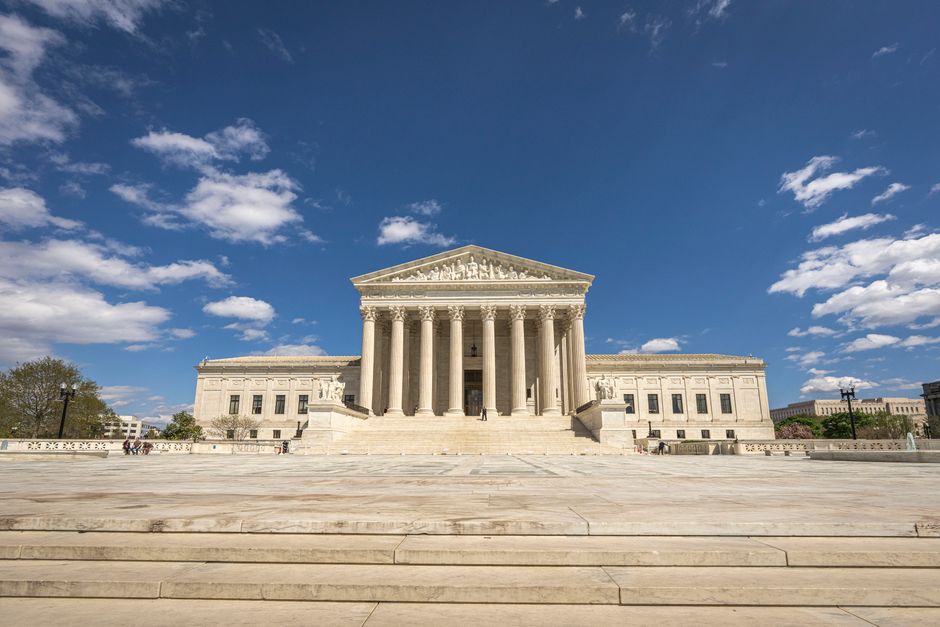
American companies are beginning to receive financial relief following a February Supreme Court decision that struck down tariff policies imposed by the previous administration, offering a measure of economic recovery to businesses that bore the costs of the controversial trade measures.
The refunds represent a significant reversal of policies that forced companies to absorb higher costs for imported goods, expenses that were often passed on to consumers or absorbed through reduced business investment and hiring. CNBC's Joe Kernen reported the development during a segment on Squawk Box, signaling that the administrative process of returning these funds has now commenced.
Supreme Court Intervention
The Supreme Court's February ruling represented a decisive check on executive trade authority, finding that the prior administration's tariff policies exceeded legal bounds. The decision came after years of legal challenges from affected businesses and trade groups who argued the tariffs lacked proper statutory authorization and imposed undue economic hardship.
While the specific details of which companies are receiving refunds and the total amounts involved were not disclosed in the report, the flow of payments marks the beginning of what could be substantial financial recovery for businesses across multiple sectors that paid elevated duties on imports.
Economic Impact on Business
The tariff policies in question had forced companies to navigate increased costs for raw materials, components, and finished goods, creating competitive disadvantages particularly for small and medium-sized enterprises that lacked the resources to absorb or offset these expenses. Many businesses were caught between raising prices for consumers—risking lost sales—or accepting reduced profit margins that limited their ability to invest in expansion and workforce growth.
The refund process now underway provides an opportunity for affected companies to recover funds that can be redirected toward productive investment, job creation, or price relief for consumers who ultimately bore much of the tariff burden through higher retail costs.
Regulatory Oversight Restored
The Supreme Court's intervention and subsequent refund process underscore the importance of judicial oversight in constraining executive actions that impose broad economic costs without clear congressional authorization. The ruling affirmed that trade policy—particularly measures with significant economic consequences for businesses and consumers—requires proper legal foundation and cannot be implemented through executive fiat alone.
The video segment reporting this development runs 3 minutes and 10 seconds and was posted two hours before publication.
Why This Matters:
The tariff refunds represent more than financial recovery for individual businesses—they reflect a restoration of legal accountability in trade policy and economic relief for companies and consumers who bore the costs of disputed executive actions. For workers, these refunds may translate into preserved jobs and delayed layoffs at companies that struggled under elevated import costs. For consumers, the recovery of these funds by businesses could eventually lead to price stabilization in affected markets. The Supreme Court's willingness to constrain executive overreach on economic policy reinforces the principle that significant costs cannot be imposed on the economy without proper legal authority, protecting both business interests and the broader public from arbitrary trade measures that lack democratic accountability or congressional authorization.