
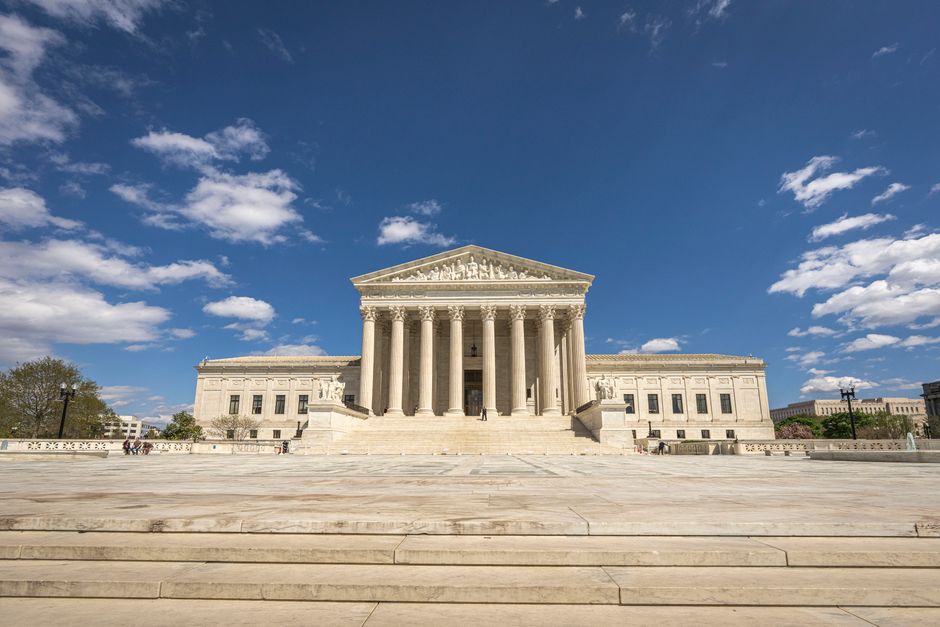
Corporations have begun receiving substantial tariff refunds following a Supreme Court decision earlier this year, a direct transfer of capital facilitated by the state. The February 2026 ruling overturned the prior administration's tariff policies, redirecting funds back into corporate hands.
This flow of capital represents a significant financial boon for the affected companies, effectively reversing a prior extraction of funds. The refunds underscore how state mechanisms can be leveraged to reallocate wealth, ensuring its concentration within the corporate sector.
The Supreme Court, acting as a critical component of the state apparatus, issued its decision in February 2026. This ruling against the prior administration's tariff policies demonstrates the judiciary's role in shaping economic conditions to favor accumulated wealth.
Who Profits
The receipt of these refunds directly enhances the financial liquidity and capital reserves of corporations. Tariffs, as taxes on imported goods, represent a cost of doing business for these entities. Their reversal and subsequent refund constitute a direct financial gain for the corporate class.
The prior administration's tariff policies, while not detailed in their specific impact, had imposed financial obligations on corporations engaged in international trade. The Supreme Court's decision to rule against these policies effectively removed these obligations and mandated the return of collected funds, bolstering corporate balance sheets.
The State's Role
The judiciary's intervention highlights the state's function as an instrument capable of protecting and advancing the interests of capital. The decision ensures that funds previously collected by the state are returned to private corporations, reinforcing the existing distribution of power and wealth.
This process of capital redistribution, overseen by the highest court, illustrates the systemic nature of wealth concentration. Policies that might temporarily impact corporate profits can be challenged and overturned through legal channels, ensuring the long-term stability of capital accumulation.
The news of these refunds was disseminated through mainstream financial media, with CNBC's Joe Kernen reporting on the program Squawk Box. This coverage serves to inform the capitalist class of developments favorable to their interests, further integrating financial markets with state actions.
The CNBC video, posted two hours ago and running 3:10, detailed the ongoing process of companies receiving these funds. Such reporting details the flow of wealth from state coffers back to corporations, framing it as standard economic news.
The Supreme Court's ruling, made in the same year, effectively re-calibrated the economic environment for corporations, removing a financial burden that had been in place. This demonstrates the dynamic interplay between state policy, judicial review, and the continuous pursuit of capital accumulation.
The refunds signify a concrete example of how the legal framework of the state can be utilized to ensure the profitability and stability of corporate entities, even when previous administrations have implemented policies that might affect their bottom line.