
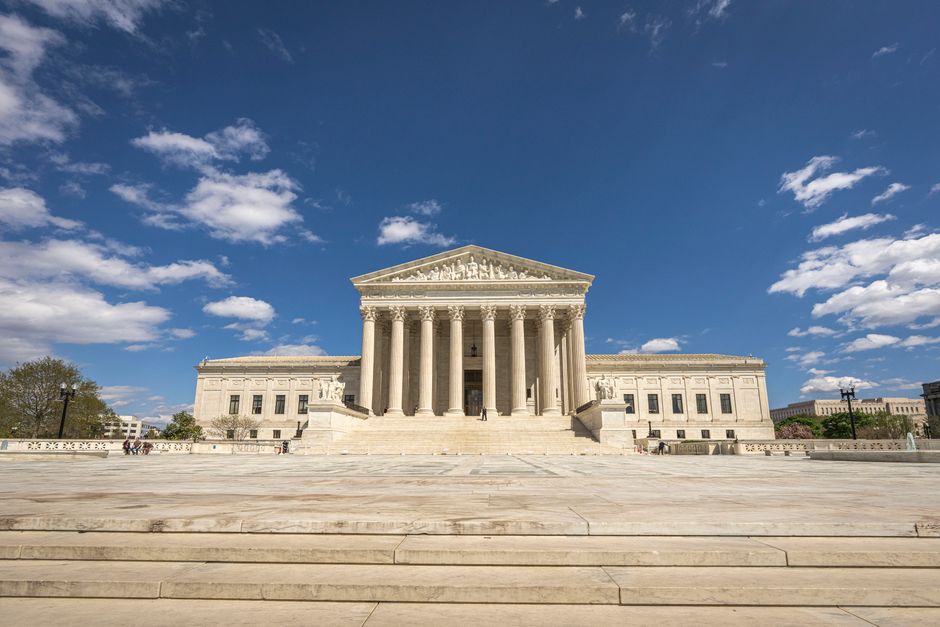
American companies have begun receiving tariff refunds following a February Supreme Court decision that ruled against the prior administration's tariff policies, marking a significant shift in trade policy enforcement and potentially billions of dollars returning to the private sector.
The refunds represent the first tangible financial impact of the Supreme Court's February 2026 ruling, which found the previous administration's tariff implementation legally deficient. CNBC's Joe Kernen reported the development during a Squawk Box segment, signaling that the judicial decision is now translating into actual cash flows back to affected businesses.
The Supreme Court Decision
The February 2026 Supreme Court ruling struck down key aspects of the prior administration's tariff policies, though the specific legal grounds were not detailed in the initial reporting. The decision has set in motion a complex refund process that requires federal agencies to identify eligible companies and calculate appropriate reimbursements for tariffs paid under the now-invalidated framework.
The court's intervention in trade policy represents a significant check on executive authority in the realm of international commerce, an area where presidents have historically exercised broad discretion. The ruling establishes new precedent for judicial review of tariff implementation.
Financial Impact on Business
Companies that paid tariffs under the challenged policies are now positioned to recover those costs, potentially improving balance sheets and freeing capital for investment and operations. The refund process could inject substantial liquidity back into the private sector, particularly for manufacturing and import-dependent industries that bore the heaviest tariff burdens.
The timing and scale of refunds remain unclear, as does the total dollar amount that companies may ultimately recover. Businesses that passed tariff costs along to consumers through higher prices face complex accounting questions about whether and how to adjust pricing in response to the refunds.
Policy and Market Implications
The Supreme Court's intervention in tariff policy underscores the importance of proper legal procedures in trade enforcement, even when executive actions are intended to protect domestic industries. The ruling suggests that trade policy must balance national economic interests with constitutional constraints on executive power.
For companies that structured supply chains and pricing strategies around the tariff regime, the refunds create both opportunities and complications. Firms may need to reassess sourcing decisions and competitive positioning as the trade landscape shifts following the court decision.
Why This Matters:
The tariff refunds represent more than financial relief for individual companies—they demonstrate the critical role of judicial oversight in constraining executive overreach in economic policy. The Supreme Court's February 2026 decision affirms that even in areas of traditional executive authority like trade, constitutional limits apply. For businesses, the refunds offer a welcome return of capital that can be deployed for productive investment rather than absorbed by government-imposed costs. The episode highlights the economic costs of legally questionable policy implementation and reinforces the principle that rule of law, not executive discretion alone, must govern trade policy. As refunds flow, companies gain both financial resources and greater certainty about the legal framework governing international commerce.