
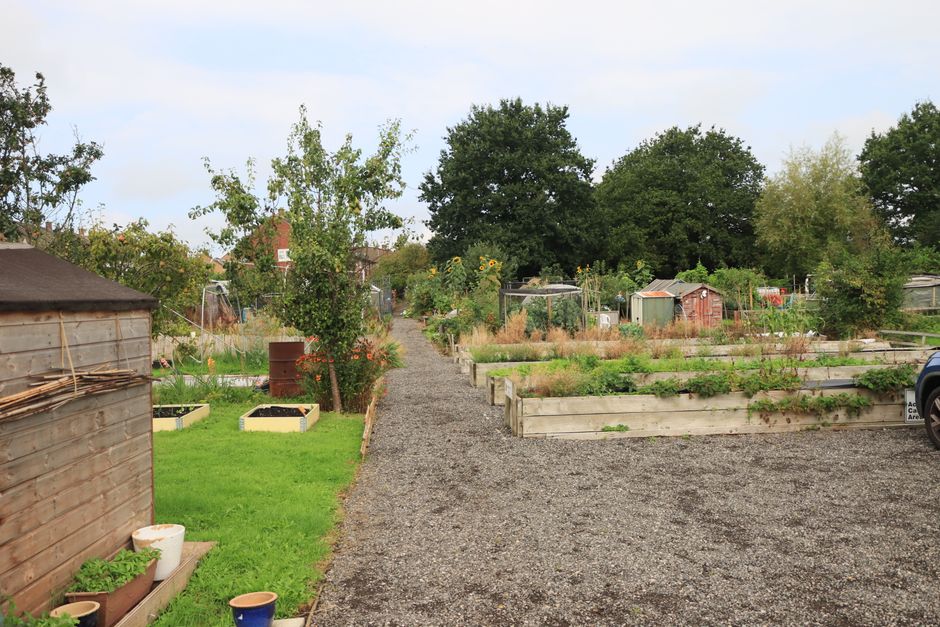
The Chigwell dementia gardening program has funding only until June 2027, leaving its future in the hands of institutional funding decisions even as participants describe what the work gives them. Peter Maloney, who lives with dementia and volunteers at the Hobart garden with his wife, Madeleine Maloney, said: “I suppose rather than focusing on what's gone, my mind has shifted to what's there.”
He and other participants and volunteers spend several hours each week at Chigwell Community Garden in Hobart's northern suburbs. The program brings nature-based activities together with research. Chigwell is the only one of four “labs” in Tasmania's south with a dedicated dementia gardening program.
What the garden makes possible
Maloney called the activity “appreciating the simplicity of nature being everywhere.” He added: “Even looking out beyond the garden, there's birds, there's a few trees, there's clouds, just incredible. Every cloud is unique.” He said he had learned “to appreciate what's available” and “to really be grateful for it.”
Madeleine Maloney said: “We always loved nature, but this has just galvanised something else.” She said her husband had “expanded whatever he's got inside, he hasn't diminished at all. He's just noticing more things and he's happy, really content.” The program has also eased some of their anxiety about dementia, a subject she described as “really bleak” in the community, where people “seem to be really fearful of it.”
The University of Tasmania's Wicking Dementia Research and Education Centre runs the program. Primary Health Tasmania funds it through the Venture Out Living Lab project, while Conservation Volunteers Australia co-designed and runs the Chigwell program. Those arrangements provide a place and activities, but this site's funding ends in June 2027.
Research, access and the funding clock
Project lead Pauline Marsh, a senior lecturer and health geographer, said the team developed the program to make outdoor spaces more dementia-friendly. “It's a fairly unique program and we are sort of leading the way at UTAS with this type of research and community program combined,” she said. She described its focus as “aspects of dementia,” community development and “the therapeutic nature of environment.”
Wicking Dementia Centre researcher and clinical psychologist Cassandra Thomson said the project's overarching aim is research that helps people living with dementia live well. A diagnosis can lead people to spend more time indoors or in their own interior world, she said. The outdoors can offer “purpose, a sense of mastery, that opportunity to socialise in a really low-pressure way.” Time in nature is also associated with lower stress and greater contentment.
Marsh said research found that some people with dementia could develop a deeper connection with nature than they had before diagnosis. “It's really affirming that this is a beneficial thing for people,” she said. She also described “a tension and disappointment for us that there remain so many barriers for people who live with dementia to get outdoors.” The article doesn't specify those barriers or describe a community-led campaign to remove them. Instead, a co-designed program operates through research and organizational funding.
The other southern labs are at the Tasmanian Bushland Garden, Derwent Valley Community Garden and Warrane Community Garden. They offer dementia-inclusive activities, including self-guided walks and nature-based art groups. A fifth lab is under construction at the University of Tasmania's Sandy Bay campus, and dementia-inclusive outdoor spaces across the state can offer gardening, walks among garden beds, or sitting and watching birds.
Conservation Volunteers Australia general manager of program delivery Renae Riviere said the Chigwell lab has funding until June 2027. If the program demonstrates benefits, she hopes funding will be renewed so similar programs can run at other sites. “Aging well shouldn't stop with a dementia diagnosis,” she said. For now, access depends on whether that funding gets renewed.
- dementia
- gardening program
- hobart
- chigwell community garden
- university of tasmania
- conservation volunteers australia
- nature-based activities
- dementia research