
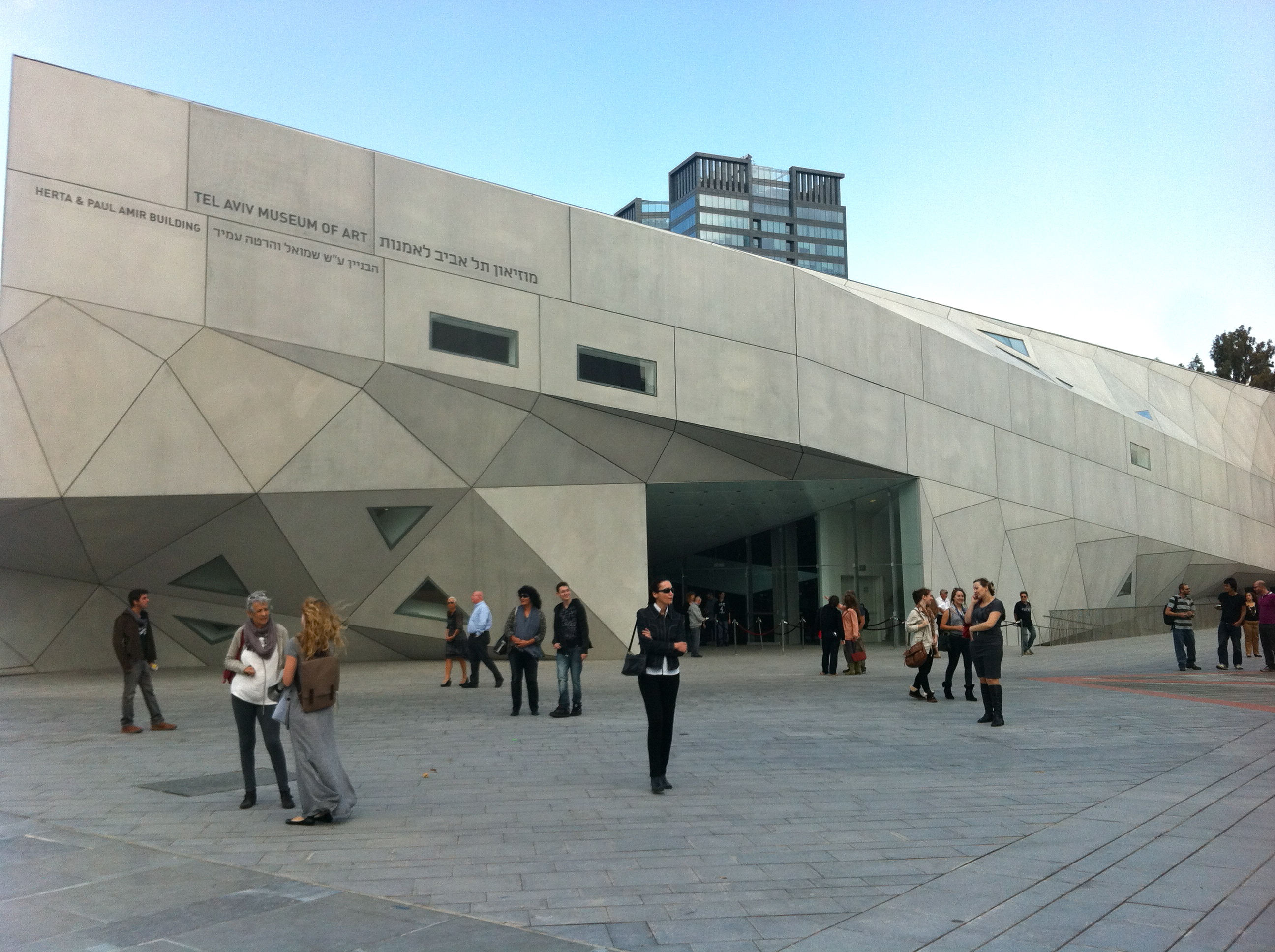
A video installation at the Tel Aviv Museum of Art is giving voice to the women who watched the Gaza border on October 7 and were not heard, spotlighting systemic failures that left frontline personnel without institutional support when they raised alarms. The exhibition, Observation/The Field Observers of the Gaza Sector, by writer-director Talya Lavie, is on view through the end of May and features ten testimonies displayed in a darkened gallery with no archival footage, maps or recreations—only faces.
From Research to Testimony
The project began as research for a fiction feature film Lavie is still developing, inspired by the story of the IDF observers. Lavie, best known for Zero Motivation, her 2014 debut that brought a darkly comic female perspective to women's military service and won Best International Narrative at the Tribeca Film Festival, posted on Facebook in November 2023 asking to meet field observers. She said she expected a few responses but was flooded with hundreds. Together with fellow filmmaker Michal Warshai, she conducted interviews that ran up to three hours each. Lavie said, "Those encounters were striking and left a very strong impression on me. Each meeting felt intense and emotionally charged. I realized that something essential was happening in the room even before any narrative structure could take place."
From the many women she interviewed, Lavie invited 10 to filmed sessions in Jerusalem. Tel Aviv Museum of Art chief curator Mira Lapidot saw the resulting single-channel documentary and thought it should be transformed into an installation. "I thought it would be interesting to think about how this can transform into an installation," Lapidot said. "I saw that there could be a meaning to actually seeing this in a gallery rather than an auditorium." The installation was curated by Lapidot, with assistant curator Amit Shemma, and was produced by Spiro Films.
Gender and Command Structure
Among the 10 women on screen was Aviv Cohen, 23, who served as a field observer commander at Nahal Oz. Cohen was raised partly in Atlanta before her family returned to Israel, was drafted in December 2021 and was home on October 7 by a fluke of fate. Her sergeant, Shir Eilat, had taken Cohen's shift for the holiday weekend and refused pressure to hand it back. Eilat was killed that morning. Cohen said, "She didn't even know it, but she saved my life." She added, "On her birthday, I went to her grave and met her father. He didn't know it was me she had stepped up for."
When news of the attack first broke, Cohen said, "I remember thinking, 'How am I not there? This is what I've been practicing for.'" As the scale of what happened became clear, she returned voluntarily and stayed on for four months past her scheduled discharge date. She said some of her own soldiers were among the hostages and asked, "How could I sit at home while they were being taken captive?"
Cohen also addressed the question of whether the all-female nature of the observer role contributed to the observers being taken less seriously. She said the command room was entirely female, while the foundation around it and the chain of command above it were predominantly male. "You feel the male energy around you," she said. She said local commanders did listen to the observers' reports, but "not much was done about it," adding, "So that's where the question comes in: Were they really listening?" Lavie said, "I believe that the fact that this role is staffed solely by women contributed to its downgrading and may have led to them being taken less seriously." She also said, "the military places enormous power and responsibility on their shoulders – far more than they may be able or could be expected to carry."
A Space for Listening
Lavie said the museum context was the right frame because "the museum offers a different kind of attention. Viewers arrive deliberately, they give time, and they encounter the work in space." She also said it "allows the work to exist outside the rhythm of news and public debate – a space where listening and looking can occur in a different way, particularly when those heard and looked at are those who were often unheard or unseen."
The key creative decision was to use nothing beyond the speakers' faces. Lavie said, "They carry everything." The second screen, which shows the next speaker waiting, came from the testimonies themselves. Lavie said one observer described how shift changes worked: the incoming woman would stand behind the one on duty, both facing the screen, speaking without eye contact, until one rose and the other sat down. Lapidot said, "It's not only the change of shift. It's a change of guard." She said the back projection became an image of transmission, with testimony passed from one woman to the next across years of service.
Lavie said the title was a deliberate invocation of Plato's allegory of the cave. She said, "The prolonged presence of the observers in a dimly lit room, facing screens for hours on end, reminded me of Plato's cave." She added, "Like in Plato's parable, their eyes are focused on projected images, and the question of what is real and what is illusion becomes a matter of life and death." Lapidot said, "It's a parable on so many things – gender roles, the Israeli-Palestinian conflict, and on how we treat those on the other side of the border." She added, "It doesn't point a finger at anyone in specific, but it suddenly gives [the observers'] experiences a broader implication."
Lavie said the responses had been "deeply moving and varied." She said one woman who encountered the installation had herself been an observer on duty at the northern border on October 7. Her partner brought her to see the exhibition, and she said, "It's the first time I understood that I'm not alone." Cohen said, "Thank you for making our voice heard." She added, "I think it's not something to take for granted."
Why This Matters:
The exhibition raises fundamental questions about institutional accountability and the human cost of hierarchies that discount frontline expertise based on gender. When those tasked with surveillance and early warning are systematically marginalized within command structures, the consequences extend far beyond individual careers—they affect collective security and the lives of entire communities. The testimonies reveal a pattern in which warnings were heard but not acted upon, suggesting structural failures that merit scrutiny and reform. By creating a space where these voices can be encountered deliberately and without the noise of immediate political debate, the installation invites reflection on who is empowered to speak, who is heard, and what protections exist for those who carry responsibility without commensurate authority. The response from observers themselves—women who felt isolated until seeing the exhibition—underscores the importance of public platforms that validate lived experience and create pathways for institutional learning and change.