
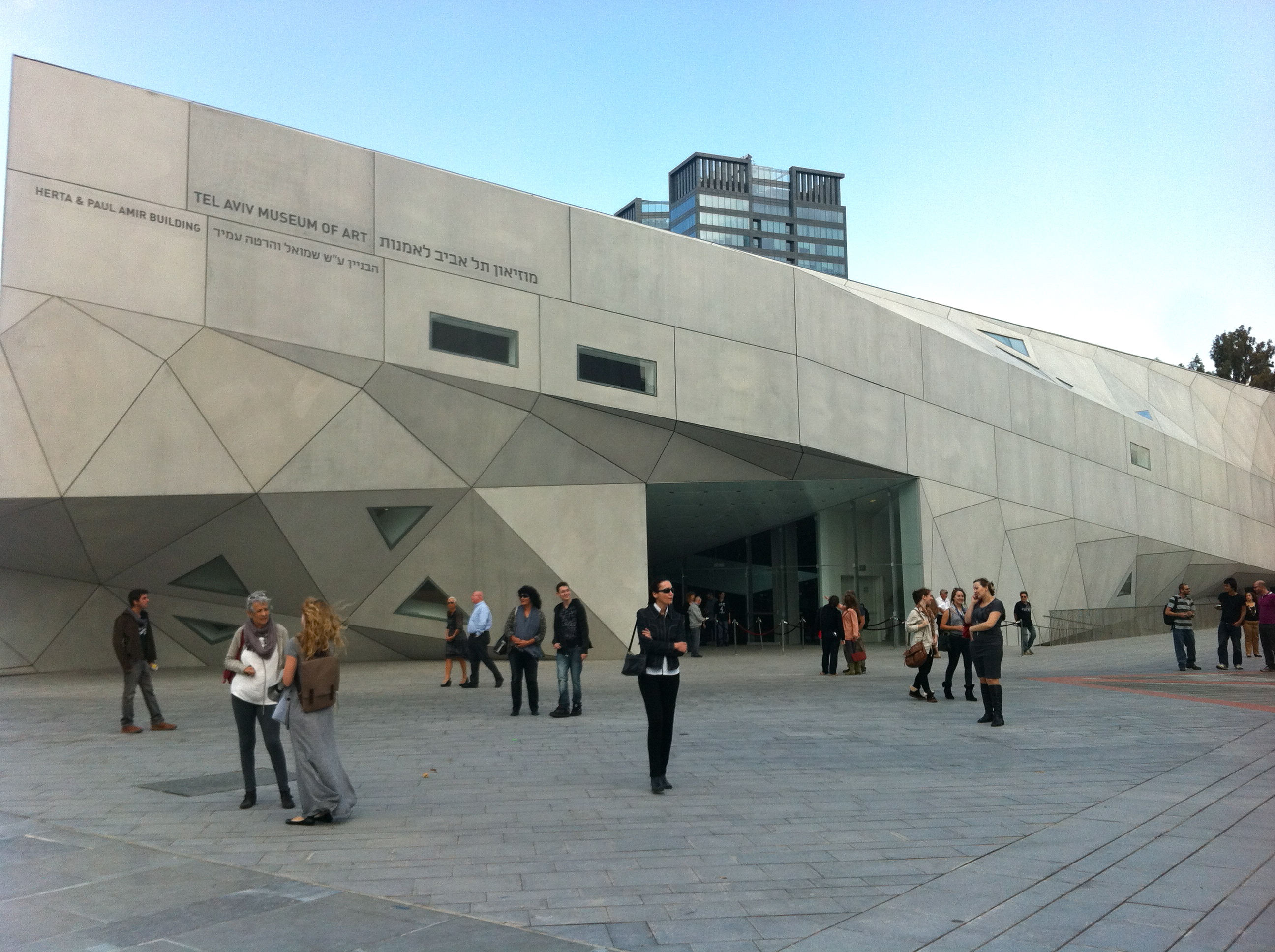
The testimonies of women who served as field observers on the Gaza border reveal that their warnings were largely ignored by a predominantly male military command, despite bearing "enormous power and responsibility" within the state's security apparatus. A new video installation at the Tel Aviv Museum of Art now presents these accounts, offering a platform for voices previously "unheard or unseen" within a system that placed them in a critical, yet undervalued, position.
The State's Disregard for Labor
The project, "Observation/The Field Observers of the Gaza Sector," by writer-director Talya Lavie, features 10 women who watched the Gaza border on October 7, 2023, and whose reports were not acted upon. Aviv Cohen, a 23-year-old field observer commander at Nahal Oz, stated that local commanders did listen to the observers’ reports, but "not much was done about it," raising the question: "Were they really listening?" This systemic disregard for frontline intelligence highlights a fundamental contradiction in the state's deployment of its labor force.
Lavie noted that the military places "enormous power and responsibility on their shoulders – far more than they may be able or could be expected to carry." Cohen, who was drafted in December 2021, was home on October 7 by a fluke of fate, as her sergeant, Shir Eilat, had taken Cohen’s shift for the holiday weekend and was killed that morning. Cohen returned voluntarily to service for four months past her scheduled discharge date, stating, "How could I sit at home while they were being taken captive?" as some of her own soldiers were among the hostages.
Gendered Exploitation in the Ranks
The structural underpinnings of this disregard are further revealed by the gendered division of labor within the military. Cohen confirmed that the command room was entirely female, while the chain of command above it was predominantly male, leading to a palpable "male energy around you." Lavie believes "the fact that this role is staffed solely by women contributed to its downgrading and may have led to them being taken less seriously." This systematic devaluation of female labor, despite its critical function, exposes a core mechanism of exploitation within the state's armed forces.
The installation's key creative decision was to use nothing beyond the speakers’ faces, emphasizing the individual burden carried by these women. A second screen shows the next speaker waiting, a detail inspired by an observer's description of shift changes, symbolizing a "change of guard" and the transmission of testimony across years of service, yet without a corresponding change in the structural conditions of their work.
Symbolic Gestures, Structural Silence
The exhibition, curated by Tel Aviv Museum of Art chief curator Mira Lapidot, is on view through the end of May. Lavie stated that the museum context "allows the work to exist outside the rhythm of news and public debate – a space where listening and looking can occur in a different way, particularly when those heard and looked at are those who were often unheard or unseen." This positioning suggests an attempt to manage the emotional and social contradictions arising from state failures through cultural means, rather than addressing the material conditions that produced them.
Lapidot described the installation as a "parable on so many things – gender roles, the Israeli-Palestinian conflict, and on how we treat those on the other side of the border," but explicitly stated that "It doesn’t point a finger at anyone in specific." This framing, while acknowledging broad systemic issues, ultimately avoids a direct critique of the state or the military's command structure, offering symbolic recognition without demanding accountability or structural change. The project began as research for a fiction feature film Lavie is still developing, and she was "flooded with hundreds" of responses after posting on Facebook in November 2023 asking to meet field observers, highlighting the widespread need for recognition among these workers.
One woman who had been an observer on duty at the northern border on October 7 found solace in the exhibition, stating, "It’s the first time I understood that I’m not alone." Cohen expressed gratitude, saying, "Thank you for making our voice heard," underscoring the personal relief offered by the platform, even as the systemic issues of labor exploitation and gendered disregard within the state apparatus remain unaddressed.