
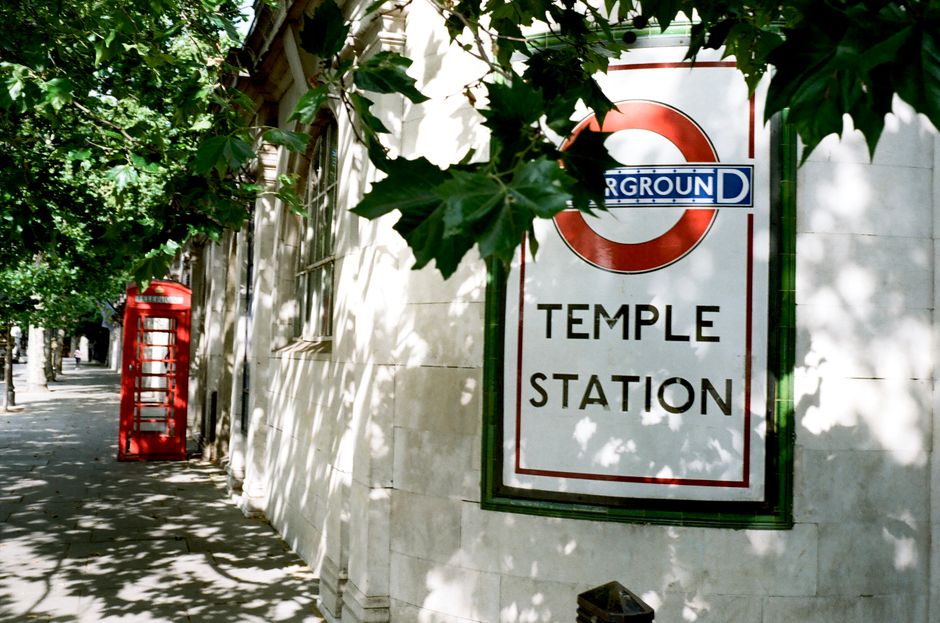
A free public sculpture space dedicated to female artists has been ordered to vacate its central London site on the roof of Temple Station by 1 October, raising questions about the future of accessible cultural spaces in the capital. The Artist's Garden, which welcomes over 100,000 visitors annually at no charge, has been told by Places for London — Transport for London's commercial property arm — to clear the site for essential safety repairs.
Alice Walters, deputy director at theCOLAB, which runs the garden, said she was worried the project would be "gone for good" after it moved out. "We were told that Places for London would like us to vacate the site entirely by 1 October," Walters said. "They've cited the need to carry out essential safety repairs, but once a project like this is gone, it's gone for good and it's not coming back."
The Public Access Question
The sculpture garden has existed for five years on the roof and allows visitors to sit with, touch and interact with art. Westminster City Council, which manages the terrace space, said it was supportive of The Artist's Garden and would work with all parties involved to find a solution.
Lakwena Maciver, who exhibited an installation at The Artist's Garden when it opened in 2021, said the space filled a crucial gap in London's cultural offering. "I was the first ever artist to exhibit here and it was a takeover of the whole roof terrace with a tiled mosaic," Maciver said. "For me it was about a return to public space post-lockdown. It's just really important to have places that are open access that anyone can come to that you don't have to pay for or book — it's really important that we keep these types of spaces."
Visitors to the sculpture garden told BBC London it was a "gorgeous" place to visit in the capital. One woman said: "It's wonderful to have it in the heart of the city, surrounded by buildings and the river. Just to have this immersive art space, it's great." Another added: "It's a nice, peaceful place to come, just in the middle of the city. It's just beautiful and there's loads of seating. It's just gorgeous."
What Happens Next
Lisa Vandy, who has exhibited two sculptures in the garden, said the site promoted visibility. "I don't remember in my childhood ever seeing someone like me or their work, so it's [about] visibility, it's cultural importance, it's educational importance," Vandy said. "This really has to stay here."
A spokesperson for Places for London said they recognised how the "much-loved" garden had contributed to "artists, young people and the local community". They said: "However, the terrace and station roof may now require essential repair and safety works, and the space needs to be cleared for the assessment of the extent of the works required." Places for London said any future proposals for the terrace would protect public access and support the area's cultural character. The company also said the space was legally protected and would always remain publicly accessible, and that while it was developing future plans for the terrace at Temple, it was working with the council and stakeholders to explore alternative nearby locations for The Artist's Garden.
Why This Matters:
The closure highlights the tension between infrastructure maintenance and cultural provision in publicly accessible spaces. The Artist's Garden represents a model of cost-free cultural engagement that doesn't burden taxpayers — it's privately managed but publicly enjoyed. The question is whether Places for London, as a commercial arm of Transport for London, can balance its property maintenance obligations with the preservation of community assets that generate no revenue but significant public value. With over 100,000 annual visitors, the garden has proven demand for accessible art spaces. Whether it returns after repairs — or whether "temporary" closures become permanent — will test the commitment of public bodies to maintain cultural amenities without ongoing subsidy. The legal protection of public access is meaningful only if it's enforced in practice, not just on paper.