
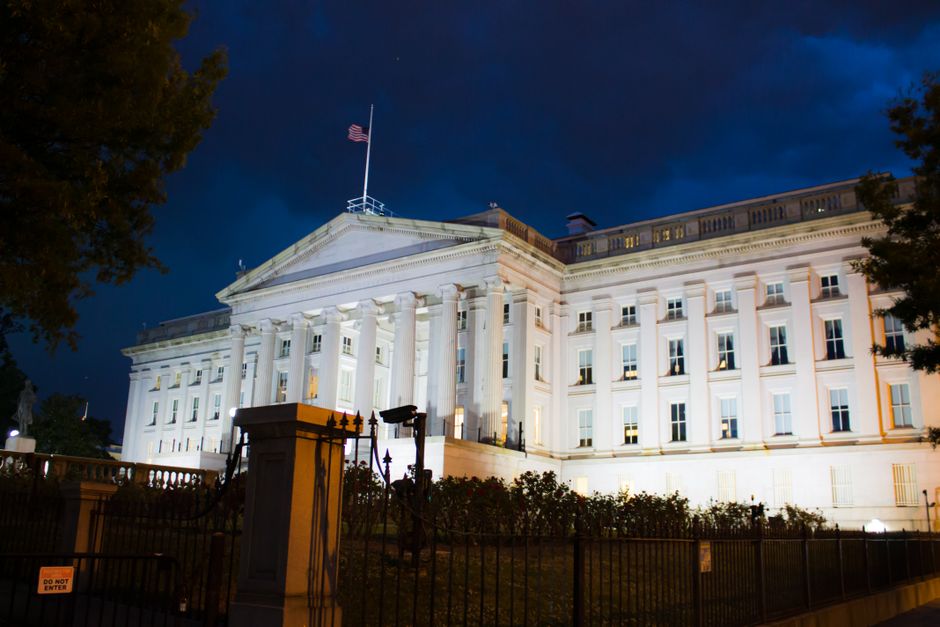
The cost for the U.S. government to borrow money hit its highest level since 2007 on Tuesday, after the yield on the 30-year Treasury topped 5.3 percent in early-morning trading. That’s the machinery of state finance showing strain in public, and the bill doesn’t stop at the Treasury desk. Long-term Treasury yields rose to their highest point since 2007, creating another headwind for the economy and lifting borrowing costs for consumers and businesses.
Who Pays When the State Borrows
The U.S. government’s borrowing costs climbed first, but the pressure spreads outward fast. When long-term Treasury yields rise, consumers and businesses get squeezed too, because the price of credit moves up with them. The article says the move rattled global markets and American consumers alike. That’s the familiar trick of centralized finance: decisions made at the top, costs pushed down through everyone else’s daily life.
The 30-year Treasury crossing 5.3 percent in early-morning trading marked the sharpest signal in the piece. It wasn’t some abstract chart for traders to admire. It was a warning that the state’s own borrowing has become more expensive, and that the economy built around that debt is feeling the pressure.
Markets React, People Absorb It
The Nasdaq and the S&P 500 slipped after the 30-year yield crossed 5.3 percent. Those numbers matter because they show how quickly the financial system transmits stress from government debt into corporate markets. The article ties the rise in yields to a broader jolt, with global markets and American consumers both rattled.
That’s the hierarchy in plain view. The state borrows. Markets twitch. Consumers and businesses get the bill. The people who didn’t set the terms are the ones left to live with them.
What the Numbers Say
Long-term Treasury yields reached their highest point since 2007. The article gives that date plainly, and the comparison lands hard. It means the cost of borrowing has climbed back to a level not seen in 19 years. The piece doesn’t dress that up as progress or stability. It reads like what it is: a warning flare from the bond market.
David J. Lynch wrote the piece. The facts he lays out are spare, but the structure tells the story. The U.S. government’s borrowing costs rose to the highest level since 2007. The 30-year Treasury topped 5.3 percent. Long-term yields climbed. The Nasdaq and S&P 500 slipped. Consumers and businesses face higher borrowing costs. That’s the chain.
No election slogan fixes that chain. No polished reform language changes the fact that a financial system built around state debt and corporate markets keeps pushing risk downward while power stays concentrated above. The article shows the mechanism without needing any decoration. The bond market flashed red, and ordinary people are the ones expected to carry the weight.