
U.S. businesses are spending billions on artificial intelligence while rules for its use remain unclear—and nobody knows who’ll pay the price.
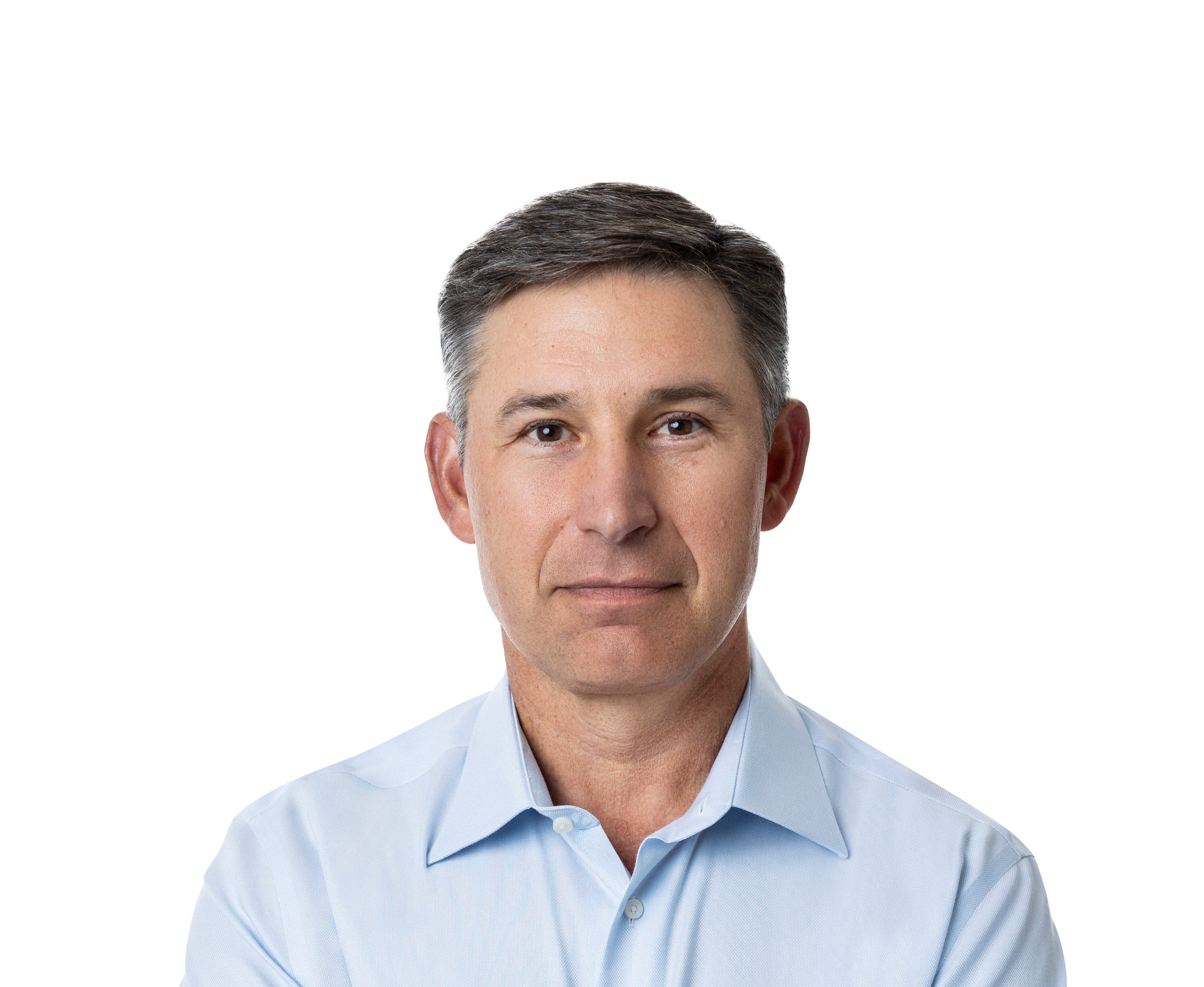
SoFi CEO Anthony Noto put it plainly: “There’s no real framework in place.” The fintech leader told Politico that uncertainty over AI regulation weighs on companies racing to adopt the technology. Potential presidential contenders are proposing competing visions for AI’s future, while political power shifts between parties. The rules of the road remain unclear. That ambiguity reaches beyond Silicon Valley startups, affecting banks, investment firms, and the workers and consumers who depend on them.
Noto runs a financial services company with $61 billion in assets. SoFi recently deployed AI-enabled investment tools and chatbot-powered financial guides. He acknowledged that new regulations “could have an impact on our businesses.” But here’s the striking part: the lack of regulation isn’t slowing corporate investment—it’s accelerating it.
The Federal Reserve Bank of Atlanta estimated that private firms in the United States would likely spend around $280 billion on AI in 2026. Roughly 70% of S&P 500-listed companies are now deploying the technology in some form, according to Apollo Global Management chief economist Torsten Slok. Yet far fewer have shown that it’s actually generating returns. Businesses are pouring billions into AI adoption without clear evidence it works, and without knowing what rules regulators will set when they act.
The Accountability Void
Noto made a striking observation: major technology creators are “asking for help” with regulation. “That’s counter to any other innovation that I’ve seen.” The leaders building AI platforms recognize the risks. Questions about AI safety and alignment have occupied Silicon Valley figures including Sam Altman and Peter Thiel. AI labs have struggled to agree on binding, politically feasible plans for oversight.
Meanwhile, politicians from Sacramento to Washington are scrambling to address the policy vacuum as voters express fears about AI-related disasters. The gap between corporate innovation and democratic oversight keeps widening. When companies move faster than regulators can respond, the public bears the consequences—whether through algorithmic discrimination in lending, manipulated financial markets, or job displacement that no safety net catches.
Noto said SoFi’s business model is “durable” and that the company is avoiding strategies he considers risky, such as prediction markets. He didn’t outline a position on how AI should be regulated. But his warning about pace is revealing. “Sometimes moving slower is better than moving faster,” he said. “In this particular circumstance, moving slower is definitely more favorable than moving fast.”
Political Crossroads
Democrats are expected to retake control of the House and possibly the Senate. That shift could create a less accommodating political and regulatory environment for corporate leaders than the early days of Trump’s return to office, when banking regulators loosened their oversight. SoFi shows what’s at stake. The company closed its crypto trading platform after FTX’s collapse triggered a sweeping federal crackdown on digital-asset marketplaces. Once regulators loosened their approach, SoFi “sprinted pretty aggressively” to reenter crypto trading and even launched its own dollar-pegged stablecoin.
The pattern repeats: industries capture regulatory agencies, operate with minimal oversight, face periodic crises, suffer temporary restrictions, then expand again when political winds shift. AI may follow the same path unless policymakers establish clear, durable frameworks before the technology becomes too entrenched to regulate.
Noto acknowledged there are “still many opportunities in AI.” That’s the business case. But the public interest—stable financial systems, fair lending practices, worker protections, transparent decision-making—demands something different: rules written before, not after, the damage is done.
Why This Matters:
When $280 billion flows into AI deployment annually without regulatory guardrails, the risks fall hardest on those least able to absorb them. Workers facing algorithmic hiring systems have no recourse. Borrowers denied loans by opaque AI models get no explanation. Investors in companies betting heavily on unproven AI technology have no protection. The regulatory gap isn’t a technical problem—it’s a distribution of power and risk. Corporate leaders are publicly calling for government intervention, yet they continue accelerating deployment. Political uncertainty means the rules could change dramatically depending on who controls Congress and the White House. Until democratic institutions catch up with corporate innovation, ordinary people and workers shoulder the burden of experimentation while executives enjoy the upside.