
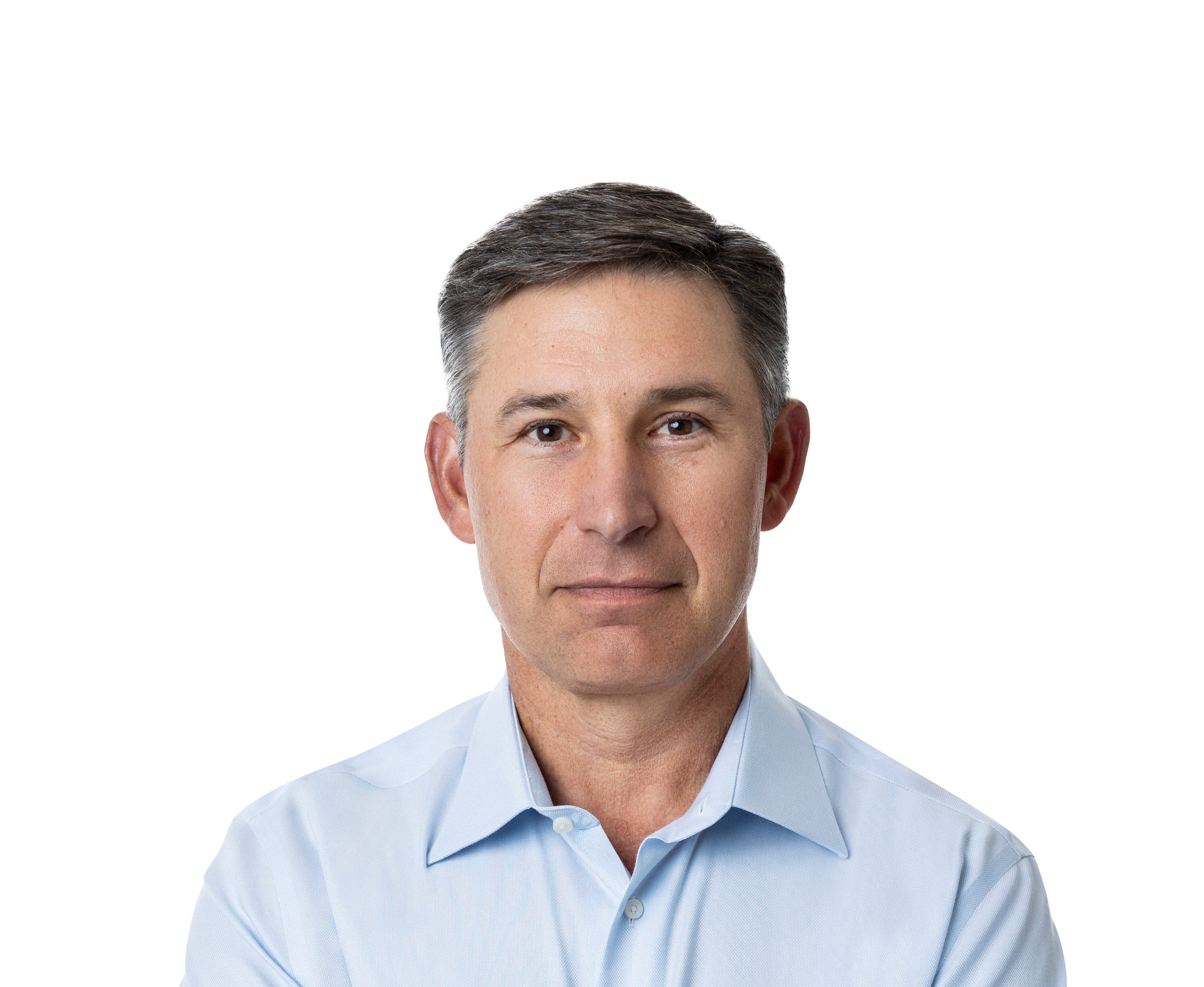
SoFi CEO Anthony Noto says the absence of a federal framework for artificial intelligence is weighing on U.S. businesses preparing for an AI-driven economy, as companies and politicians debate who will shape the technology’s future. “There's no real framework in place,” Noto told Sam. He said potential presidential contenders are proposing policies for AI development and its economic role, and changes in political power could speed up regulation. New rules would affect the largest technology companies and, Noto said, could also “have an impact on our businesses.”
The regulatory question
Noto leads SoFi, a bank and financial technology company with $61 billion in assets. The company recently introduced an AI-enabled investment tool and a chatbot-powered financial guide, placing its services among the businesses exposed to decisions about AI oversight.
AI policy lacks much history. Noto said it “just doesn't have a lot of history” and “certainly doesn't have a lot of legislation.” He described a palpable backlash against AI as corporations and individuals adopt it at a faster pace. Companies making large investments face risks as they try to keep up with technological changes, the report said.
Earlier this year, the Federal Reserve Bank of Atlanta estimated private U.S. firms would likely spend around $280 billion on AI in 2026. Apollo Global Management chief economist Torsten Slok recently reported that roughly 70% of S&P 500-listed companies are deploying the technology in some form, although a much smaller percentage have shown that it is generating returns. Government oversight remains unclear.
Technology leaders seek constraints
Some of the technology’s largest developers are asking for limits, Noto said. “Constraints are being asked for by the super scalers, the creators of the actual technology. We're a beneficiary of the technology. We're building on top of it,” he said. “And the people that are developing the platforms are asking for help.” He called that “counter to any other innovation that I've seen.”
Questions about AI safety and alignment have occupied Silicon Valley leaders including Sam Altman and Peter Thiel, the report said. It also referred to an annual gathering of technology thinkers in Berkeley the previous weekend. AI labs haven't agreed on binding, politically feasible plans, while politicians from Sacramento to Washington are trying to address the lack of policy as voters express fears of AI-related disasters.
Business exposure and political change
Noto said SoFi’s business model is durable and that the company is avoiding strategies he considers short-lived, including prediction markets. He didn't take a specific position on how AI should be overseen or regulated. The account describes policy uncertainty and business exposure, but does not identify a demographic impact or a transfer of authority to an international institution.
SoFi previously closed its crypto trading platform after FTX’s collapse led to a sweeping federal crackdown on digital-asset marketplaces. After banking regulators loosened their approach following President Donald Trump’s return to office, SoFi “sprinted pretty aggressively to be able to reenter the offering for consumers,” Noto said. The company now offers crypto trading and has launched its own dollar-pegged stablecoin.
AI still offers opportunities. But Noto argued that “sometimes moving slower is better than moving faster, and I would say in this particular circumstance, moving slower is definitely more favorable than moving fast.” The newsletter said Democrats were expected to retake control of the House and possibly the Senate, potentially bringing corporate leaders a less accommodating political and regulatory environment than during the early days of Trump 2.0. The Financial Times page supplied for the topic displayed the headline “How to shield your portfolio if AI goes ka-boom,” but its article text was inaccessible; no portfolio-protection strategies were available.