
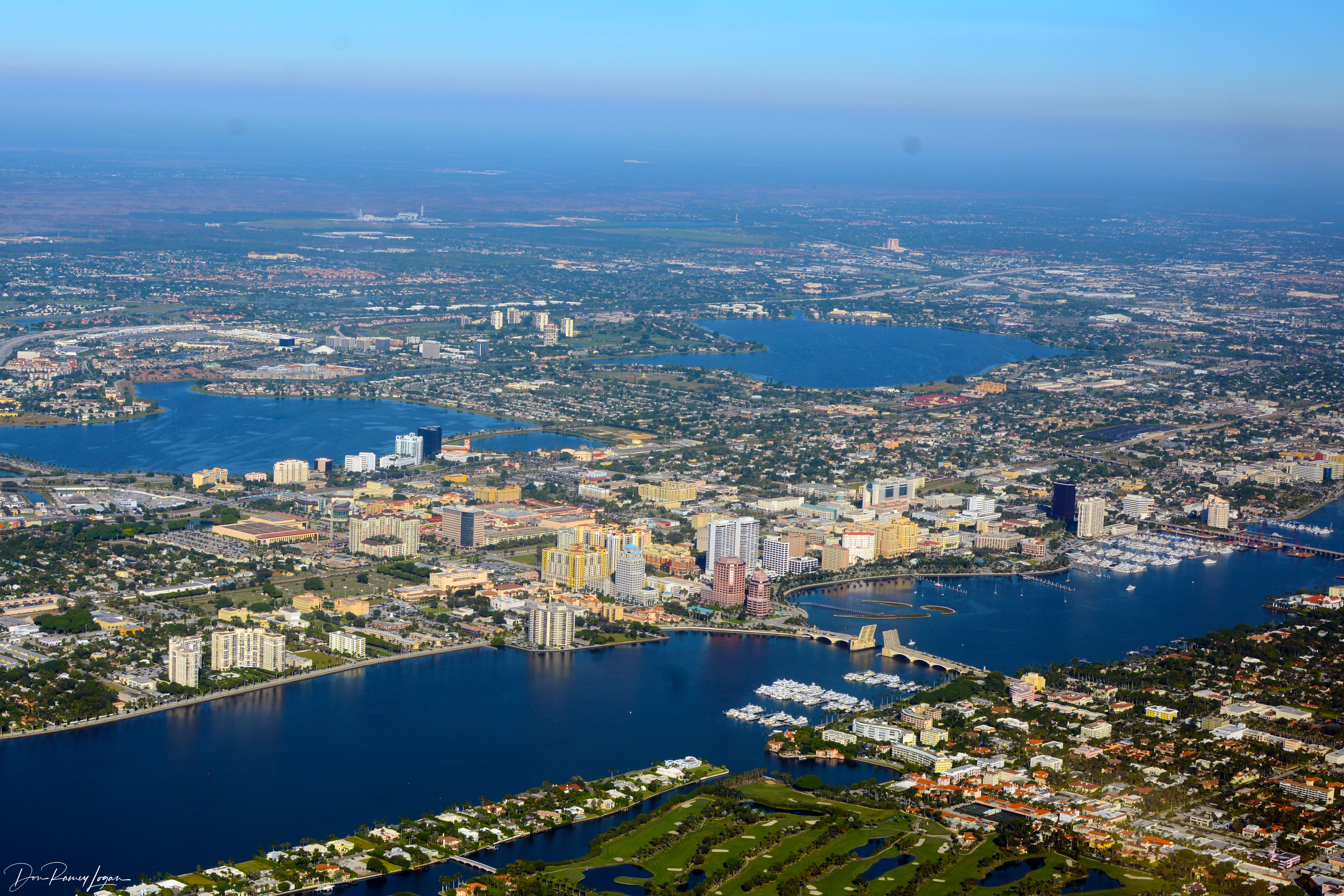
Powerus, a startup based in West Palm Beach, Florida, is manufacturing low-cost interceptors for potential conflict involving Iran, with the facility for that production coming online last month.
Who Gets the Work, Who Gets the Risk
The company is building inexpensive interceptors for a war that hasn’t fully arrived, but the machinery of preparation is already humming. Powerus, based in West Palm Beach, is using a facility that came online last month to produce the weapons. The people who will live with the consequences of that conflict are nowhere in the setup. The decisions sit at the top. The danger rolls downhill.
The base article gives no details about who will pay the human cost if this potential conflict expands, but the shape of the arrangement is plain enough. A startup in Florida is turning out low-cost interceptors for a possible war involving Iran. That means industrial capacity is being pointed toward destruction before ordinary people have any say in the matter. The apparatus moves first. The public gets the bill later.
The Factory Comes Online
The facility for this production came online last month, and it is already being used to make inexpensive interceptors. That timing matters. The production line didn’t appear in a vacuum. It arrived as part of the steady normalization of war preparation, where private firms step in to supply the tools of state violence and call it innovation.
Powerus is not described in the article as a giant defense contractor, but a startup. That word carries its own sheen of entrepreneurial virtue, the kind that lets weapons production sound like a clever market solution instead of what it is: another business built around conflict. The article says the interceptors are low-cost. Cheap for whom, exactly, isn’t answered. The people on the receiving end of war rarely get a discount.
What the Article Says, and What It Leaves Out
The reporting is spare. Powerus is manufacturing low-cost interceptors in West Palm Beach for potential conflict involving Iran. The facility came online last month. Those are the facts. But even in that narrow frame, the hierarchy is obvious. A private company is producing weapons tied to a possible war, while the public remains outside the room where those choices are made.
There’s no mention of community consent, no sign of mutual aid, no horizontal organizing, no public debate over whether more machinery for war should exist at all. Just a startup, a facility, and a conflict horizon. That’s how domination often arrives now: polished, localized, and wrapped in the language of efficiency.
The article’s silence is part of the story. It doesn’t say who ordered the production, who funds it, or who will profit when the interceptors leave the factory. It doesn’t need to. The structure speaks for itself. A war economy doesn’t wait for permission from the people it endangers. It gets built in advance, one facility at a time, until the machinery of violence looks normal enough to ignore.
Powerus has its facility. The state has its options. Ordinary people get the aftermath.