
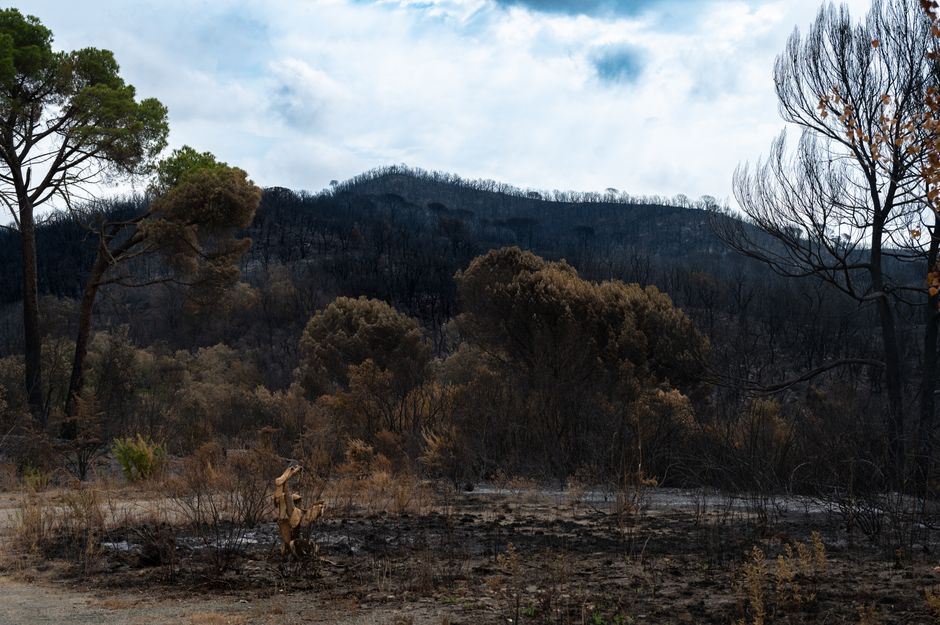
Twelve people have died as wildfires tore through southern Spain's Almería province, leaving the village of Bédar surrounded by what witnesses described as "a sea of black" and homes razed to the ground.
The BBC's Nick Beake reported the landscape around Bédar was completely charred. Local authorities said wildfires have burned through 6,600 hectares, or 16,300 acres. The blaze spread rapidly through the region on Thursday — 4 days ago — and hundreds of firefighters have been battling the fires since.
Heatwave Conditions Fuel Destruction
A sustained heatwave with temperatures around 40C, or 104F, has caused wildfires across Southern Europe this summer. Spain, France, and Portugal have been particularly affected. The extreme heat has stretched emergency services and raised questions about preparedness for recurring climate events that threaten lives, property, and agricultural land.
The Almería fires represent one of the deadliest wildfire incidents in recent Spanish history. The province, known for its agricultural production, faces significant economic losses alongside the human toll. Charred landscapes will take years to recover, and many residents have lost their homes entirely.
Emergency Response Under Pressure
Hundreds of firefighters have worked to contain the blaze, but the scale of destruction reveals the limits of current emergency infrastructure. European member states have historically struggled to coordinate cross-border firefighting resources during simultaneous crises. When multiple countries face extreme weather at once, national capacities are quickly overwhelmed.
The Spanish government hasn't yet announced compensation measures for affected residents or detailed plans for rebuilding Bédar and surrounding areas. Questions about insurance coverage, agricultural support, and long-term resilience planning remain unanswered as firefighters continue battling active blazes.
Southern Europe's Summer Crisis
This summer's wildfire season has exposed vulnerabilities across the Mediterranean. Portugal and France have also reported significant fires, though casualty figures in Spain are among the highest. The pattern of sustained high temperatures — 40C readings have become more common — suggests European nations need better coordination on prevention, early warning systems, and rapid response.
Bédar's devastation serves as a stark reminder that climate adaptation isn't just about emissions targets. It's about protecting citizens, preserving property, and ensuring emergency services can respond when disaster strikes. The 6,600 hectares burned in Almería alone represent agricultural land, natural habitat, and rural communities that form the backbone of Spain's southern economy.
Why This Matters:
The death of 12 people and destruction of 16,300 acres in Almería underscores a fiscal and security challenge European governments can't ignore. Wildfires don't respect borders, and when France, Portugal, and Spain burn simultaneously, national firefighting capacities reach their limits. Member states need better coordination mechanisms and investment in prevention infrastructure — firebreaks, early warning systems, and rural resilience — not just reactive emergency spending. The economic cost extends beyond immediate damage: agricultural losses, insurance claims, and rebuilding expenses will burden Spanish taxpayers for years. Climate adaptation must prioritise protecting citizens and property, not just meeting emissions targets. Southern Europe's heatwave crisis demands practical investment in preparedness, not more Brussels regulations that don't address the reality on the ground.