
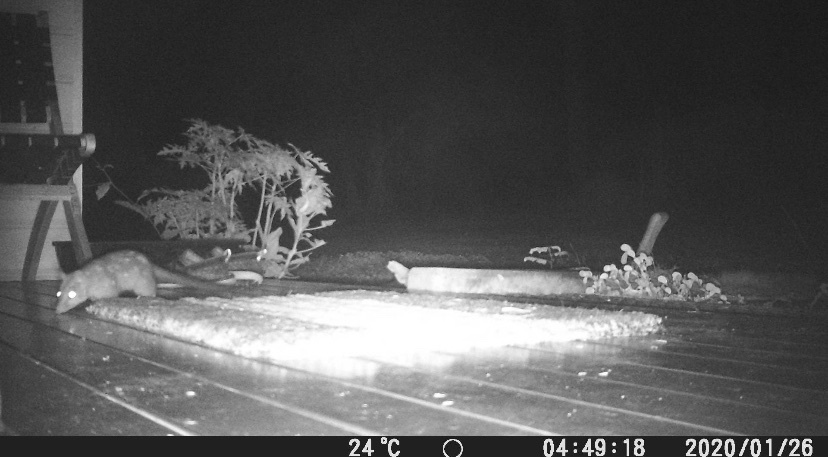
A University of Melbourne researcher has found no trace of northern quolls during nearly 12 months of wildlife monitoring at Litchfield National Park, suggesting the marsupial may be locally extinct there. Ryan Sauermann set up more than 30 cameras and logged more than 4,000 camera-trapping nights. They captured buffalo, pigs, and cats, but no quolls. A project to establish a captive-breeding and rewilding colony has turned toward a grimmer question: do quolls still live in the park?
Their disappearance marks a stark reversal. Northern Territory Parks and Wildlife ranger Darius Nasir, a senior park ranger helping with the research, remembers seeing the nocturnal animals regularly about 16 to 17 years before October 1, 2026. “Around 2009, 2010, I used to see them all the time around my house,” Nasir said. “My dogs would be going off and it'd be quolls, quite abundant quolls back then.” But Nasir hasn’t spotted one for four or five years. The collapse came remarkably fast.
The Ecological Culprits
Sauermann identified cane toads as the main driver of the decline. “As the cane toad front moves through, we're losing 85 to 95 per cent [of the northern quoll population],” he said. Feral cats add a direct predatory threat, while changes in fire management put further pressure on the animals. “More frequent burns tend to be worse for the quolls as well,” Sauermann noted. Northern quolls rank as “endangered” nationally and “critically endangered” in the Northern Territory, designations that reflect the severity of their situation.
Sauermann uses several methods to search for surviving populations. He sets food-baited camera traps and has asked for citizen-science reports through flyers around the park and Facebook groups. So far, those efforts have produced “very limited success.” Since late 2025, he has traveled from Melbourne to the Top End “every couple of months,” and he plans to keep looking. “Just because we're not finding anything right now doesn't mean that they're not here, doesn't mean we should stop looking,” he said.
Ecological Role and Cascading Consequences
Sauermann calls the northern quoll “probably one of the apex predators out here,” apart from dingoes, and says it plays a crucial part in managing insect and rodent populations. “They're massively important for the ecosystem.” Nasir warned that the loss of quolls could trigger cascading ecological failure. “If we lose these quolls, we won't see them again—it'll [be like the bloody thylacine],” he said, invoking Australia's most infamous extinction. “We've got too many extinct animals around already as it is, let alone [adding] another one.”
Recent research adds to the urgency. About 1 year before October 1, 2026, researchers in Queensland confirmed spotted-tail and northern quolls were “functionally” extinct in large parts of the state, where introduced cane toads also threaten the ecosystem. The pattern points to regional collapse, not isolated incidents.
Sauermann has urged pet owners to keep dogs and cats away from wildlife, help protect the environment, and reduce fire risk. “There's so much more out there than I think people realise and just getting people interested would be a huge, huge win,” he said.
Why This Matters:
The northern quoll’s functional disappearance shows the real costs of ecosystem management policy. Introduced species—cane toads and feral cats—cause ecological damage, with few practical solutions. Fire management strategies intended to serve conservation goals may be harming the species they’re meant to protect. The situation shows how government land management decisions can produce unintended consequences that private landowners working under market incentives might avoid. Losing an apex predator from a protected national park shows that official protection can’t prevent extinction when environmental policy fails to control invasive species or adapt management practices. As quolls vanish across Queensland and now face local extinction in the Northern Territory, delayed action carries an irreversible cost. Private stewardship and adaptive management, guided by real-time monitoring rather than rigid protocols, may offer lessons for preserving what remains of Australia’s unique wildlife.