
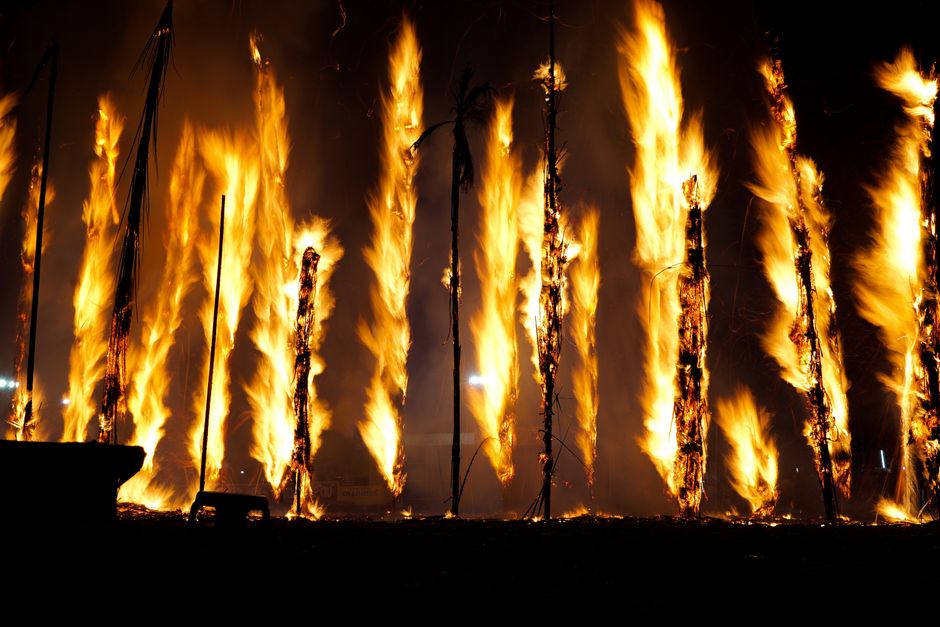
Today, three more lives were snuffed out in a building fire in Shanxi province, China. The state media, as usual, has offered little more than a sterile recitation of the facts: a fire, a building, three dead. No names, no context, no accountability. Just another statistic in a country where human life is routinely sacrificed on the altar of economic growth and authoritarian control.
The Human Cost of State Neglect
Shanxi, a province dominated by coal mines and heavy industry, is no stranger to tragedy. Workers toil in dangerous conditions, often without proper safety equipment or labor protections, while local officials turn a blind eye in exchange for kickbacks and political favors. Fires, collapses, and industrial accidents are commonplace, but the state’s response is always the same: silence, cover-ups, and a swift return to business as usual.
The victims of this fire, like so many before them, were likely migrant workers or low-wage laborers—people whose lives are deemed expendable by a system that values profit over people. China’s economic 'miracle' has been built on their backs, and when they die, the state moves quickly to erase their names from the record. The official death toll is almost certainly an undercount; in a country where dissent is crushed and information is tightly controlled, the truth is whatever the Party says it is.
The Myth of 'Safety' Under Authoritarianism
The Chinese state loves to tout its 'efficiency' and 'stability,' but what does that stability look like for the people on the ground? It looks like unregulated construction sites, like factories with no fire exits, like mines where workers are sent to die so the Party can meet its GDP targets. The same government that censors reports of disasters and jails activists for demanding accountability is the one that claims it can keep its people safe.
But safety under authoritarianism is an illusion. The state doesn’t protect people—it protects power. When a fire breaks out in a high-rise in Shanghai, the government’s first instinct isn’t to save lives; it’s to control the narrative. When workers die in a mine collapse, the priority isn’t justice; it’s preventing protests. The Chinese Communist Party doesn’t care about the people of Shanxi. It cares about maintaining its grip on power, and if that means sacrificing a few thousand workers a year, so be it.
Mutual Aid Over State Control
The real tragedy is that these deaths are preventable. In a society organized around mutual aid and community self-defense, workers would have the power to shut down unsafe conditions. Tenants would have the ability to demand fire escapes and sprinkler systems. But in a system where all power flows from the top down, the only thing that matters is obedience.
The people of Shanxi don’t need more state 'oversight'—they need the freedom to organize, to strike, to demand better. They need the ability to hold their bosses and local officials accountable without fear of arrest or disappearance. The state will never provide that. It’s up to us—workers, neighbors, comrades—to build the networks of solidarity that can keep each other safe. From the factory floor to the neighborhood assembly, real safety comes from below, not from above.
Why This Matters:
This fire in Shanxi is more than just a tragedy—it’s a symptom of a global system that treats human life as disposable. Whether it’s the sweatshops of China, the oil fields of the Middle East, or the prisons of the United States, the story is the same: profit over people, control over care. The state doesn’t exist to protect us; it exists to protect itself.
For those of us who reject that system, this is a reminder of what’s at stake. Every time a worker dies in an unsafe factory, every time a tenant burns in a building with no fire escapes, it’s a failure of the state—and a call to action. The only way to prevent these deaths is to build a world where people have the power to protect themselves, where communities can organize without fear, and where no one is forced to choose between starvation and danger. The state will never give us that. We have to take it.