
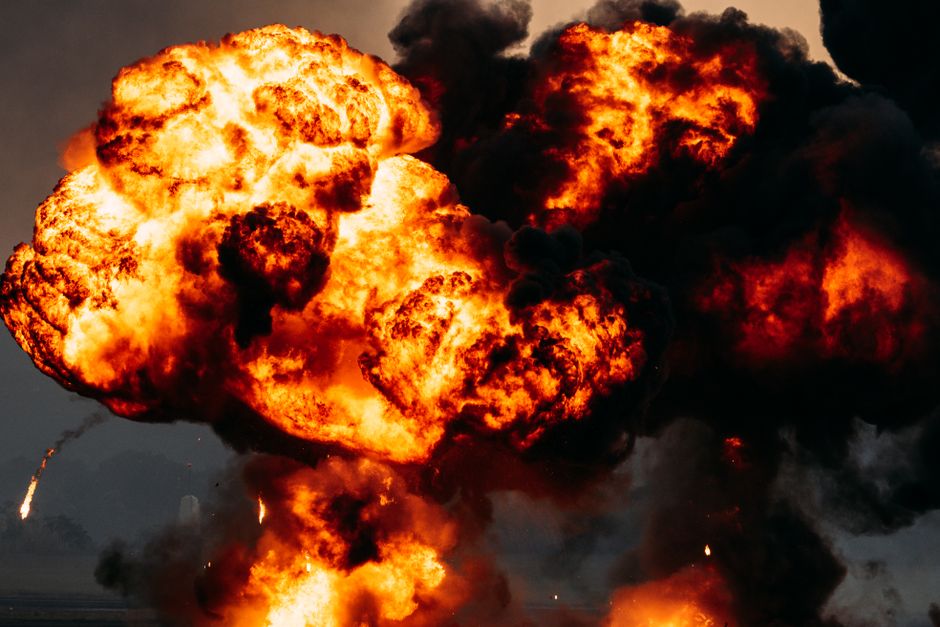
Three workers were injured Wednesday in an explosion at the Intel factory in Kiryat Gat, southern Israel, medical and rescue officials said. Police suspect a gas cylinder caused the blast. Early findings point to no attack.
That distinction matters in a country where an explosion at a major industrial site immediately raises questions. In Israel, a strategic facility going up in smoke prompts a security check before anyone calls it an accident. So far, officials’ evidence points to an industrial mishap, not hostile action.
What Officials Say Happened
Police told reporters they suspect a gas cylinder caused the explosion. Firefighters at the scene reported a nitrogen trifluoride leak. The gas is nonflammable and has oxidizing properties. That distinction matters when assessing the danger. Nonflammable doesn't mean harmless, and a gas that feeds combustion can complicate a firefight at a manufacturing plant.
Israel's fire chief later said firefighters had extinguished the blaze. Medical and rescue officials reported that three workers were injured, but the available base reporting doesn't detail their injuries or say how officials treated them.
The Strategic Footprint
The Kiryat Gat site sits in southern Israel, a region that has endured years of rocket fire from militants in Gaza and remains within reach of the country's adversaries. A facility of this kind forms part of the economic infrastructure that Israel's enemies, including Iranian-backed groups that arm and direct them, would regard as a high-value target. That's the lens Israeli authorities bring to any serious incident at such a site, even when the cause appears mundane.
Police haven't announced any finding that challenges the working assumption of an accident. Investigators will presumably examine how the gas cylinder failed, whether staff followed safety protocols, and how they contained the nitrogen trifluoride leak. Those are standard questions after an industrial explosion anywhere in the world.
What Comes Next
The immediate tasks are practical. Officials must confirm the cause, account for the leaked gas, and determine whether the plant can resume operations. The reporting by Josh Breiner, Eden Solomon and Maya Roman, as relayed in the base article, doesn't indicate a wider danger to nearby communities. The fire chief said the blaze is out, suggesting the emergency phase has ended.
For now, this is a workplace accident that injured three people, not a security event. Israeli police have cited a gas cylinder, and nothing in the record so far contradicts that.
Why This Matters: In Israel, an explosion at a major industrial site is never just an industrial story. The country's southern communities and the strategic facilities near them face a standing threat from Iran's proxy network and militant groups that openly seek to harm Israeli civilians and infrastructure. That reality explains why authorities move quickly to rule hostile action in or out after any blast at a facility like this one. In this case, police point to a gas cylinder, not an attack. The distinction shapes what follows: how the public reacts, how the military posture adjusts, and how investigators allocate resources. A confirmed accident lets the country move on; an attack would have demanded a very different response.
- intel factory
- kiryat gat
- explosion
- injuries
- gas cylinder
- nitrogen trifluoride
- emergency services
- firefighters