
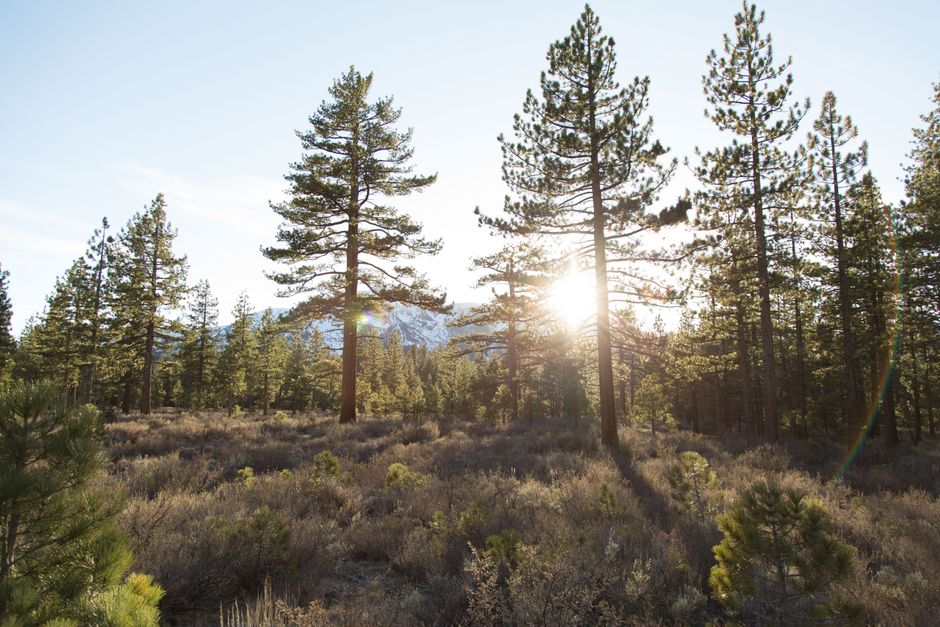
Institutional investors buy about one million acres of timberland each year. Some younger Americans priced out of housing are considering the same asset as a place to store wealth. The scale is different: large managers buy for pension funds and endowments that can wait decades for a recovery, while many younger buyers want ways to build equity without purchasing a home.
Capital Can Wait. Investors May Not.
Bank of America said large timber managers bought 55% of the acres that changed hands in 2025 and sold 15%. Its 2026 outlook said that annual buying pace was expected to continue. Those managers are betting on a longer-term recovery in the currently slumping U.S. housing market and improved lumber prices.
Returns so far remain modest. The National Council of Real Estate Investment Fiduciaries' Timberland Property Index returned 0.95% in the second quarter of 2026: 0.34% from income and 0.61% from appreciation. The index tracks privately held U.S. timber properties owned at least partly for institutional investors.
Pat Dorn, founder of Anchor Investment Management, a fee-only advisory firm in Columbia, South Carolina, and a former chairman of the South Carolina Forestry Association, owns 2,500 acres in South Carolina's upstate region. He said sluggish housing activity means growers produce more timber than buyers need. "Supply beats demand, and that causes flat prices. Timber is not an investment I would make currently," he said. Dorn called timber a "very low return investment" and said he had curtailed his investments.
The Bureau of Labor Statistics' producer price index for logs, bolts, timber, pulpwood and wood chips edged up in September, but prices have mostly declined since summer 2022. The index measures prices producers receive for those products, not timberland values or investment returns. Prices have climbed substantially over the very long term.
Land, Trees and the Cost of Waiting
Trees don't produce returns on an investor's preferred schedule. Pulpwood trees used for paper towels and notebook paper can take 12-14 years to mature; trees harvested for housing can take 25 years. Pine pulpwood becomes paper and packaging, while pine sawtimber becomes lumber for homebuilding. Hardwood sawtimber includes oak and other large trees used for flooring, furniture and pallets.
South Carolina Forestry Commission data show average statewide pine pulpwood stumpage prices dropped from $5.67 a ton in the third quarter of 2025 to $3.79 in the third quarter of 2026, a decline of about 33%. Pine sawtimber prices fell about 6%, while hardwood sawtimber prices rose about 40%. The products attract different buyers, and prices can move in opposite directions.
Dorn said a well-placed investment may pay off through the land more than the trees. "The return is in the land, not the timber," he said. He advised prospective buyers to seek prime parcels outside growing metropolitan areas where populations are spreading, and described timber as a way to earn something—"a very low return"—while holding land.
Michael Martin, a timber owner in western New York and vice president of market strategy at brokerage firm TradingBlock, said direct ownership is highly illiquid and brings management costs, property taxes, harvesting expenses, local-market exposure, and risks from wildfire, pests, disease and trespassers who hunt or cut trees. He has covered his property taxes barely through partial timbering every ten years or so. "At the end of the day, I barely break even," he said.
A Housing Bet, Not a Housing Key
Elevated home prices, higher mortgage rates and limited inventory have made homeownership more difficult for many millennials, said Nadeem Kassam, chief investment strategist at Marnoa Private Wealth Counsel. Some investors, he said, seek other ways to participate in real assets and potentially build equity without buying a home directly.
Timber-focused exchange-traded funds offer a more accessible, liquid route, but they don't directly own timberland or trees. Kassam said most hold publicly traded companies involved in timber, forest products, wood manufacturing and other parts of the housing value chain. The iShares Global Timber & Forestry ETF (WOOD) had roughly $260 million in assets, while the Invesco MSCI Global Timber ETF (CUT) had roughly $30 million.
Kassam cited bipartisan support for policies aimed at increasing housing supply and improving affordability, saying more homebuilding could benefit lumber and wood products. But an ETF isn't land or a home. "The key is recognizing that you're buying exposure to businesses that benefit from housing-related demand, not a direct ownership stake in land or residential real estate," he said.
Jake Kennedy, a Nashville-based realtor, said younger buyers are curious about timberland, though firsthand evidence of a broad trend is hard to find. "I don't think my generation is suddenly giving up on houses and becoming timber barons," he said. Junyi Liu, professor of economics at Soka University of America, said he saw no evidence of a boom. For retail investors, he cautioned, timberland is more complicated than the simple "trees grow while you wait" story.
- timberland
- institutional investors
- housing market
- timber investment
- bank of america
- south carolina
- real estate investing