
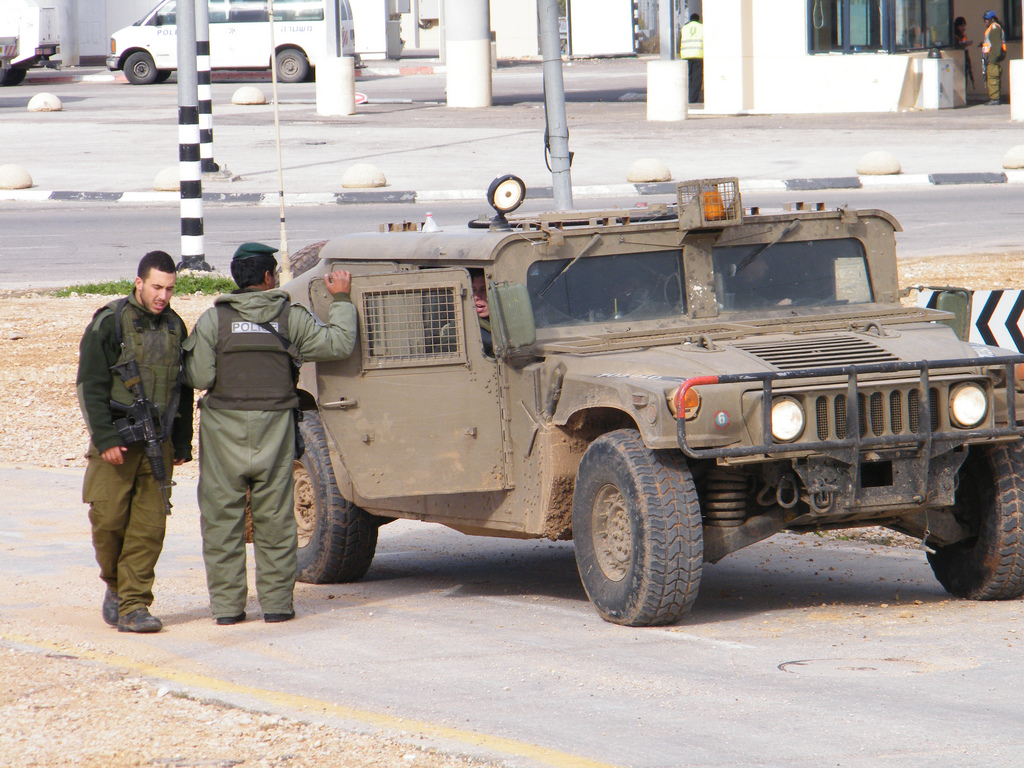
Hundreds of Palestinian farmers are being systematically blocked from accessing their vineyards, essential for their livelihood, by settlers and state military forces in the West Bank near Halhul. This ongoing dispossession occurs despite the Israeli Defense Forces (IDF) officially labeling the Kerem Hamami outpost as illegal and slated for evacuation.
Mohammed, a farmer from Halhul, joined dozens of his neighbors in mid-April of the same year, attempting to reach their land. The farmers carried work tools, primarily pruning shears, intending to cultivate vineyards that are awaiting their labor. These vineyards represent the primary means of production for these families, directly linking their ability to work to their economic survival.
The State's Role in Dispossession
Residents of Halhul have reported being blocked from their land dozens of times. These blockades are enforced by both settlers from the Kerem Hamami outpost and soldiers from the IDF. The consistent intervention of state forces alongside settlers reveals the state's function in protecting de facto control over seized resources, irrespective of its own legal declarations.
The IDF's statement that the Kerem Hamami outpost is "illegal and slated for evacuation" stands in stark contrast to the actions of its soldiers on the ground. While official policy acknowledges the outpost's illegality, the military's operational presence actively prevents Palestinian landowners from accessing their property. This discrepancy highlights how state apparatuses can offer symbolic concessions while simultaneously facilitating the ongoing concentration of wealth and resources through the systematic underpayment of labor and the privatization of collective resources.
The repeated blocking of farmers by soldiers and settlers ensures that the land remains inaccessible for its rightful owners. This effectively prevents the Palestinian farmers from generating income and sustaining their families, thereby serving to dispossess them of their economic base. The state's actions, therefore, directly contribute to the economic precarity of the dispossessed.
Livelihoods Under Attack
The vineyards in question are not merely parcels of land; they are the foundation upon which the livelihood of hundreds of Palestinians depends. The inability to cultivate these lands directly impacts the economic survival of these families, forcing them into a precarious existence. The march undertaken by Mohammed and his neighbors, carrying their pruning shears, was a direct attempt to engage in the labor necessary for their survival, an attempt met with state-backed obstruction.
The systematic denial of access to agricultural land constitutes a direct assault on the economic independence of the Palestinian working class in the region. This pattern of land seizure, enforced by state military power, ensures that the productive capacity of the land is either left fallow or effectively transferred to the control of settlers, further entrenching an unequal distribution of resources.
The collective action of dozens of neighbors marching to reclaim their land underscores the ongoing struggle against economic dispossession. Their efforts to reach the vineyards, which are awaiting cultivation, represent a direct challenge to the existing distribution of power and resources. However, these attempts are consistently suppressed by the combined force of settlers and the state's military apparatus.
The situation in Halhul is a clear illustration of how the state's laws, courts, police, and military primarily function to protect accumulated wealth and suppress organized challenges to the existing distribution of power. The official declaration of illegality for the Kerem Hamami outpost does not translate into action that restores the means of production to the dispossessed, but rather serves as a rhetorical shield for ongoing land seizure.
This structural contradiction, where official policy is undermined by active state enforcement on the ground, ensures the continued concentration of resources and the systematic underpayment of labor, functioning exactly as the current economic system is designed.