
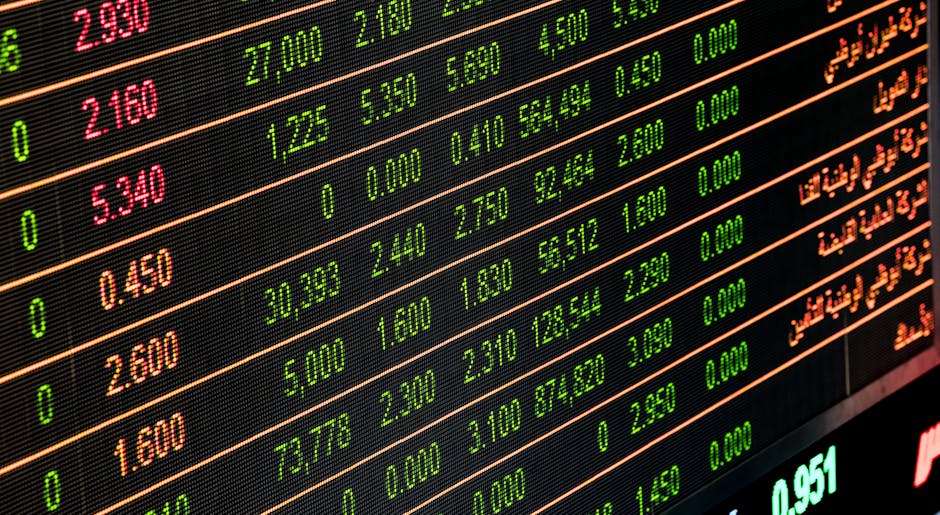
Global markets tumbled Wednesday as investors confronted a day of widespread losses that stretched from Asian trading floors to European bourses, according to Reuters' Trading Day market snapshot published September 24, 2026. The MSCI Asia ex-Japan index fell 0.9%, reflecting anxiety among investors about economic conditions affecting the region's workers and households.
Losses Spread Across Continents
European markets didn't fare better. Stocks across the continent declined 0.6% as the session wore on, extending the pattern of weakness that began overnight in Asia. Wall Street offered no clear respite, with U.S. trading showing a mixed tone that suggested investors couldn't find firm footing even in the world's largest economy.
The brief market update captured what traders experienced as a weaker session overall. Asia and Europe both registered declines, while American exchanges struggled to establish direction.
What Drives Market Anxiety
Market volatility of this nature often signals deeper concerns about economic stability—concerns that ultimately affect working families, retirement accounts, and job security. When Asian markets slide, it's not just numbers on a screen. It's pension funds losing value, small investors watching their savings erode, and uncertainty creeping into boardrooms where hiring decisions get made.
The snapshot from Reuters documented a single trading day, but these movements don't happen in isolation. They reflect investor sentiment about growth prospects, employment trends, and whether policymakers have the tools and will to support broad-based economic security. European losses compounded the Asian decline, suggesting shared anxieties about the path forward for economies still working to ensure prosperity reaches beyond corporate balance sheets to the households that depend on stable markets for their futures.
U.S. markets' mixed performance offered little comfort. Without clear direction from Wall Street, global investors faced another day of uncertainty about whether the world's economic engine can provide the steady growth that supports middle-class prosperity and funds the public investments communities need.
Why This Matters:
Market declines affect more than traders and fund managers—they touch the retirement security of millions of workers, the confidence of small business owners, and the resources available for public investment in infrastructure, education, and healthcare. When markets across Asia, Europe, and the United States all show weakness or uncertainty on the same day, it raises questions about whether economic policymakers are doing enough to ensure stability and shared prosperity. These snapshots of market anxiety remind us that financial volatility has real-world consequences for working families whose futures depend on stable growth, and they underscore the need for strong regulatory oversight and coordinated policy responses that prioritize economic security for all, not just those at the top of the income ladder.