
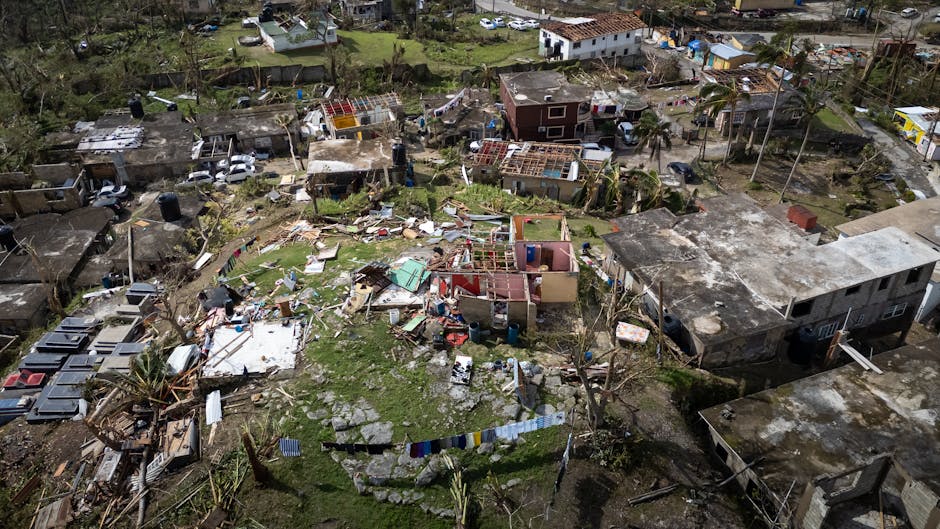
The remnants of Tropical Storm Arthur unleashed widespread damage across the Gulf Coast and Midwest on Thursday, leaving more than 130,000 homes and businesses without power and prompting emergency response operations across multiple states as flash flooding and tornado damage strained local infrastructure and emergency services.
Arthur, the first tropical storm of the Atlantic season, weakened into a low-pressure area along the upper Texas coast Wednesday night but continued to threaten communities with forecasters predicting 4 to 8 inches or more of rain across Louisiana, Mississippi, Alabama, Georgia and the Florida Panhandle through Friday. Rain fell at rates of up to 3 inches per hour in parts of Louisiana and Mississippi on Thursday, prompting flash flooding, tornado warnings and widespread power outages.
Gulf Coast Infrastructure Under Strain
In Houma, southwest of New Orleans, resident Coni Dubois reported several inches of water flooding her home overnight. "It was unbelievable, it literally sounded like hell broke open," Dubois said. "I thought for sure we had a tornado on top of us. The lightning and the thunder was so consistent, the whole house was lit up like daylight for about 20 minutes."
New Orleans Mayor Helena Moreno posted a video on Facebook describing relatively minor damage and cleanup efforts. Ahead of the storm, police prepared boats and set up barricades in flood-prone areas and opened sandbag distribution sites across Louisiana, demonstrating the ongoing costs of storm preparedness and response.
Midwest Tornado Damage Compounds Regional Crisis
The Midwest faced its own severe weather crisis after a strong line of storms tore through parts of Illinois, Indiana and northern Kentucky on Wednesday, bringing possible tornadoes. By Thursday afternoon, more than 130,000 homes and businesses remained without power across Illinois, Indiana, Michigan, Kentucky, Ohio and West Virginia, according to poweroutage.us.
A tornado was reported Wednesday evening near Effingham, Illinois, about 90 miles southeast of Springfield, where several people suffered minor injuries. Effingham Fire Chief Brant Yochum said firefighters responded to damaged homes, collapsed structures, car crashes, downed power lines, gas leaks and blocked roads.
Private Property Losses Mount
Marla Washburn and her husband, Todd, hunkered down in their basement as a suspected tornado tore through their neighborhood about 70 miles north in Blue Mound. They could hear debris smacking into their house and a school across the street lost its roof, which came crashing onto their home. "The whole house shook," Washburn said, adding that the neighborhood looks like Armageddon. "You don't know whether to laugh or cry, but we're OK," she said. "You look at it and you go, 'I don't even know where to start to clean up.'"
Also north of Effingham, the weather service reported that a tractor trailer flipped over in high winds on Interstate 57, injuring the driver. Damage from strong winds and a possible tornado were also reported in Florence, Kentucky, near Cincinnati, with news video and photos showing roofs and siding ripped off, as well as downed trees and power lines.
The weather service received numerous reports of wind damage across a wide swath, from Iowa and Missouri to Ohio and West Virginia. The strong storms were expected to move through the central Appalachians to New England on Thursday.
Why This Matters:
The widespread power outages affecting more than 130,000 customers and extensive property damage across multiple states underscore the substantial economic costs of severe weather events on both private property owners and public infrastructure. Individual homeowners like the Washburns face significant financial burdens in rebuilding without government assistance, while municipalities must allocate emergency resources for immediate response and long-term recovery. The storm's impact on critical transportation infrastructure, including the Interstate 57 incident, highlights vulnerabilities in commerce and supply chains. As cleanup efforts continue, the total fiscal impact on affected communities will likely grow, testing the capacity of local governments and private insurers to respond efficiently without federal intervention.