
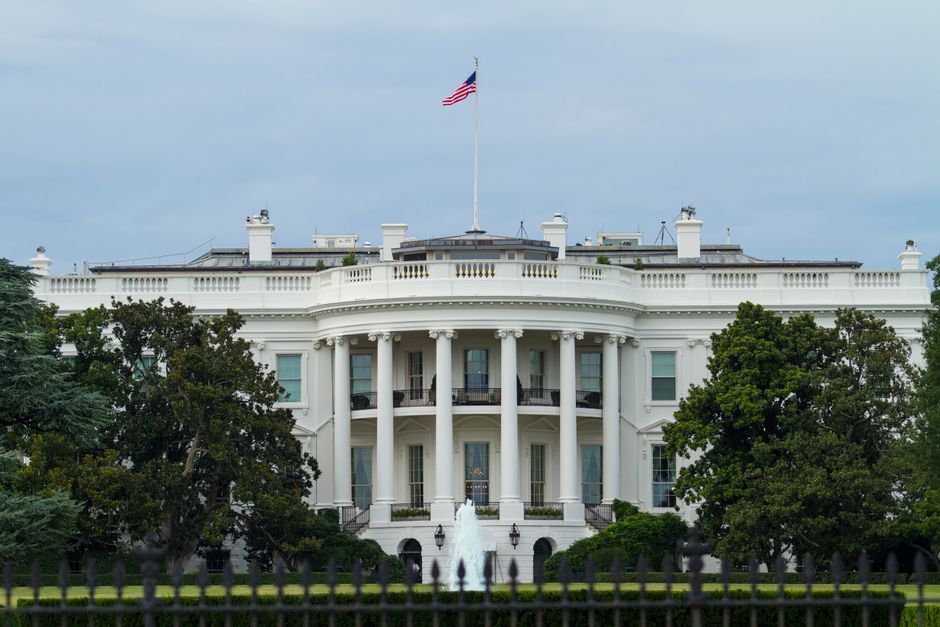
CNN, MSNBC, and Politico demanded a federal judge restore their White House credentials on Wednesday, arguing the ban imposed by President Trump was an illegal attack on First Amendment rights and due process. This move by the established media outlets seeks to reassert their institutional access, which the Department of Justice characterized as a privilege, not an inherent right. Their petition to the court underscores a broader struggle over who controls the flow of information from the nation's highest office.
The outlets' legal challenge came during a court hearing on the same day, pushing back against President Trump's decision to restrict their presence on White House grounds. President Trump announced the ban on Truth Social, bypassing traditional media channels to communicate his decision directly. This action highlights the ongoing tension between an executive seeking alternative communication methods and a media establishment asserting its traditional role.
Elite Interests Assert Control
Most media and legal observers anticipate the outlets will prevail in their legal challenge, expecting journalists to regain access to White House grounds after the hearing. This widespread expectation underscores the institutional power held by these media organizations, which often dictate the terms of public information flow. The Department of Justice, representing the executive branch, defended the ban by stating that White House access functions as a privilege, not an inherent right. They argued this directly contradicts the media's assertion of a fundamental entitlement, highlighting a fundamental disagreement over the nature of media's role: whether it is an independent check on power or an institution granted specific access at the discretion of the state.
The Cost of a Controlled Narrative
The First Amendment rights and due process arguments advanced by CNN, MSNBC, and Politico frame their access as fundamental to a free press. This framing, however, positions specific corporate media entities as indispensable gatekeepers of information from the nation's leadership, reinforcing the power of a unified ideological apparatus that shapes public discourse. The native working class, often seeking diverse perspectives, faces a media environment where access to official sources is increasingly concentrated. This legal battle, therefore, represents a contest over who controls the narrative that informs the citizenry, impacting their understanding of national events.
Challenging the Apparatus
President Trump's decision to announce the ban via Truth Social represented a direct challenge to the established media's gatekeeping function. His use of a platform outside the traditional media ecosystem sought to circumvent the very outlets now demanding their access be restored. This move represented a clear attempt to bypass the established media apparatus, which he often criticizes, and to engage directly with the public. The anticipated outcome, where the outlets are expected to win, suggests the resilience of the institutional forces that maintain a specific narrative. This outcome reinforces the perception that certain media entities operate with an almost unassailable position, regardless of executive attempts to alter the information environment.