
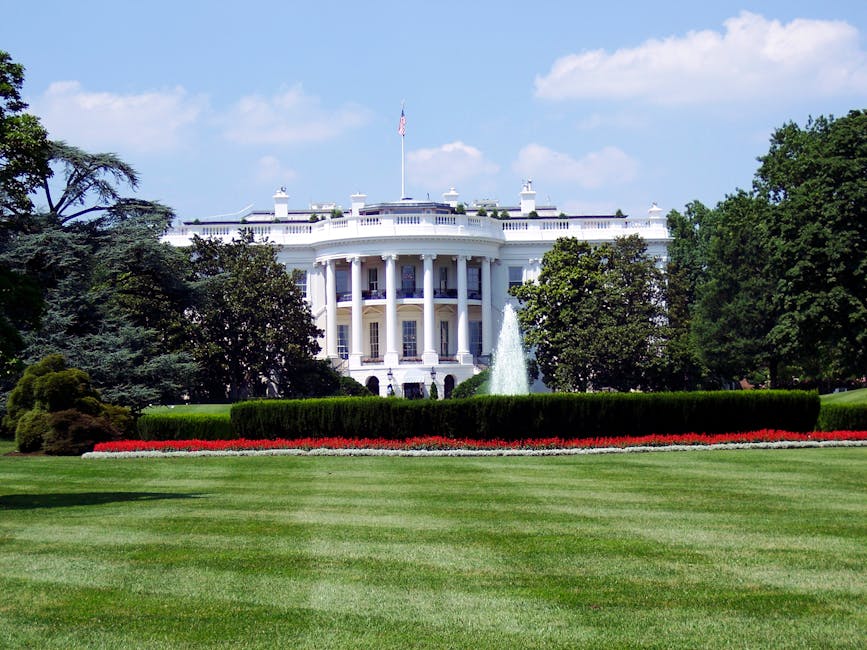
The White House is confident it can bring generic drugmakers to the United States and keep lowering drug prices, and it’s doing it with tariffs on generic drugs as the test case. That’s the machinery on display here: a federal administration using trade punishment and deregulation to steer an industry that shapes what ordinary people pay at the pharmacy counter.
Who Has the Power
The plan relies on aggressive deregulation and other policies meant to ease the shift to U.S.-made generics. That’s the language of the apparatus, neat and bloodless, while the actual pressure lands on drugmakers and the people who depend on cheap medicine. Axios said the moves are part of Trump’s broader approach to drug pricing. The White House wants to prove it can force a reshaping of production and still claim it’s lowering costs. The people who need the drugs don’t get a vote in that setup. They get the bill.
Tariffs on generic drugs are being used as a test of the administration's pharma strategy. A test for whom, exactly? Not for the patients trying to stretch prescriptions, and not for the workers and families who live with every price jump. The federal government sets the terms, then calls the result a strategy. That’s how hierarchy dresses itself up as problem-solving.
What They’re Calling a Solution
The White House says it can bring generic drugmakers to the United States. That promise sits at the center of the plan, along with the claim that drug prices can keep falling. But the article makes clear that the administration is leaning on tariffs and deregulation to make the shift happen. Those are top-down tools, not community control. They move power around inside the system while leaving the system intact.
Axios described the tariffs as part of Trump’s broader approach to drug pricing. That broader approach matters because it frames the whole thing as a managed campaign from above, with the White House setting the pace and the industry expected to comply. The public gets told this is about affordability. The structure underneath is still command and leverage.
Who Pays for the Experiment
Generic drugs are not some abstract policy object. They’re the cheaper medicines people rely on when the market has already done its usual work of squeezing them. If the administration’s plan works the way it says it will, the White House gets to claim credit for lower prices and domestic production. If it doesn’t, the cost lands on everyone else while the people at the top move on to the next press release.
The article doesn’t mention any grassroots response, mutual aid effort, or community organizing around the issue. It doesn’t mention any nonprofit fix either. What it does show is a familiar arrangement: the state using its power to shape a market it already dominates, then presenting that domination as reform. Tariffs, deregulation, and “broader approach” are the polished words. The pressure is the real story.
The White House is confident. That confidence comes from the same place all institutional confidence comes from: the assumption that people below will absorb the consequences while the people above keep writing the script.