
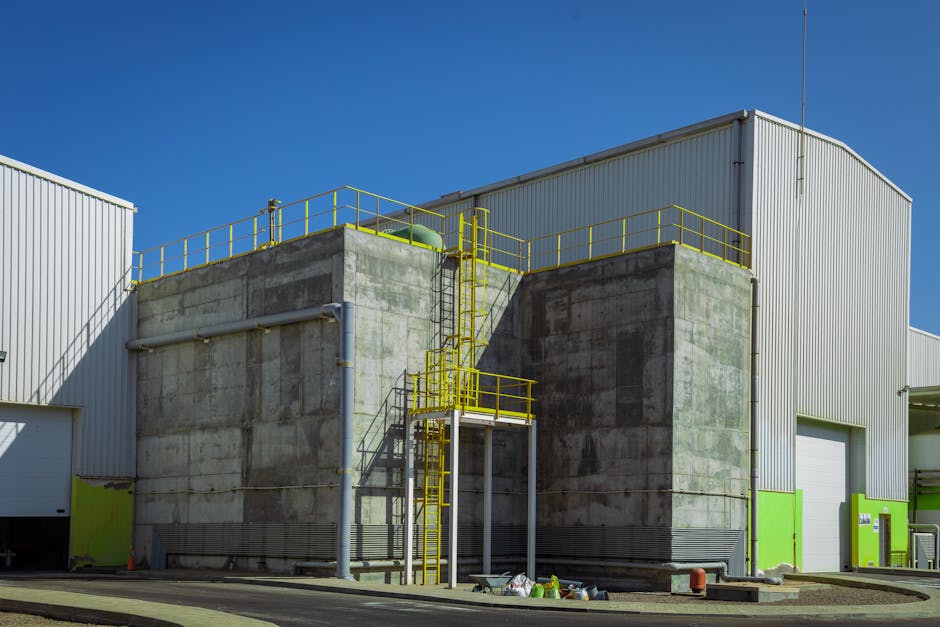
Taiwan Semiconductor Manufacturing Co. (TSMC) is committing a staggering $100 billion to bolster its Arizona facilities, driven by strong, multi-year demand for AI chips. According to Wendell Huang, TSMC's chief financial officer, this significant investment aims to expand production capacity, a necessary step as the company anticipates sustained growth in the AI sector. Such a bold move not only underscores the importance of private enterprise in meeting market demand but also highlights the potential for job creation and economic growth in the region.
The Investment Challenge
However, TSMC's expansion isn't without its hurdles. Huang pointed out that the company is facing significant challenges, particularly a shortage of construction workers in Arizona. This labor shortfall could delay the ambitious timeline set for the facility's expansion. The implications of this labor challenge are profound; it raises questions about the effectiveness of current immigration and labor policies that may inhibit the timely execution of such crucial projects. Ensuring a robust workforce is essential for TSMC to maintain its competitive edge in the global semiconductor market.
Market Implications
The demand for AI chips is expected to remain high, reflecting broader trends in technology and automation. TSMC's commitment to invest heavily in the U.S. market signals a confidence in American innovation and the potential for technology to enhance productivity across various sectors. However, the reliance on government intervention to address labor issues highlights the need for reforms that promote individual responsibility and incentivize workforce participation. The market should ideally adapt organically to meet these demands rather than depending on regulatory solutions that may not address the root causes of the worker shortage.
Government Response
As TSMC ramps up its investment, stakeholders should consider the role of government in facilitating such expansions. While TSMC's actions are a clear indicator of private sector capability, the government must create an environment that encourages entrepreneurship and workforce development. This includes revisiting policies that may hinder job growth and technological advancement. A balanced approach, one that empowers businesses while ensuring a competitive labor market, will be crucial for the future of the semiconductor industry in the U.S.
Why This Matters:
The investment by TSMC is a significant affirmation of the potential for the American market to lead in semiconductor production, particularly in the AI sector. However, the labor shortage presents a critical challenge that must be addressed through targeted policies that promote workforce growth and training. The fiscal implications are substantial, as delayed projects can lead to increased costs and missed economic opportunities. Facilitating a healthy labor market will not only benefit TSMC but also ensure that the U.S. remains competitive in an increasingly tech-driven global economy. Without effective government action to support this sector, the potential for growth could be stunted, impacting jobs and innovation across the country.