
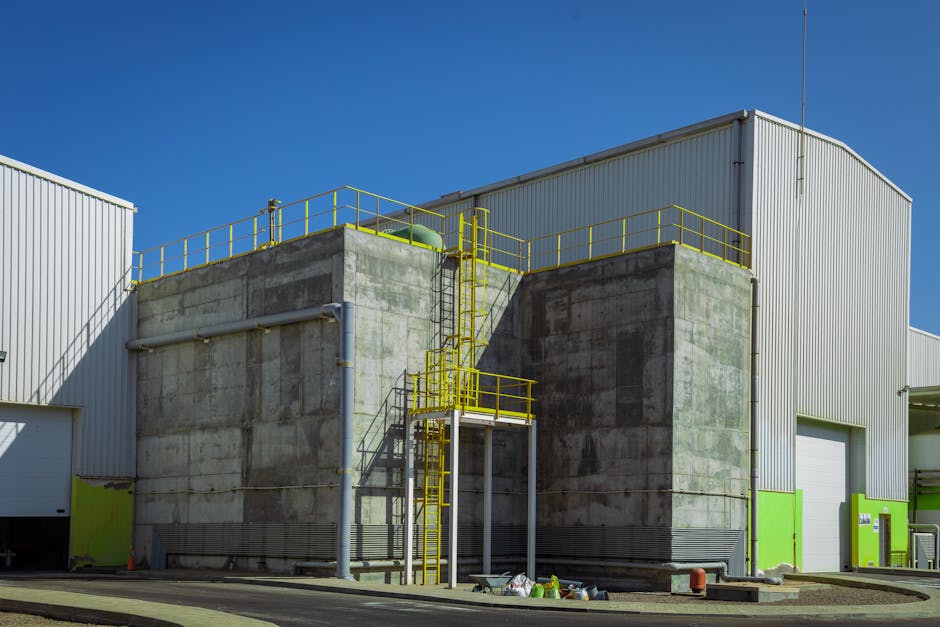
Taiwan Semiconductor Manufacturing Co. (TSMC) announced a staggering $100 billion investment aimed at expanding its Arizona facilities to meet strong, multi-year demand for AI chips. This significant financial commitment highlights the critical role that semiconductor manufacturing plays in fueling technological advancement and economic growth. Yet, amid these ambitious plans, TSMC faces pressing challenges, particularly a shortage of construction workers in Arizona, which raises questions about labor conditions and workforce availability in the tech sector.
Who Is Affected
The investment is expected to create thousands of new jobs in the region, offering opportunities for many Arizonans seeking employment. However, the ongoing labor shortage underscores a broader issue within the construction industry, where workers often face challenging conditions and inadequate pay. As TSMC ramps up its operations, the company must not only attract skilled labor but also ensure that these jobs provide fair wages and benefits, contributing positively to the local economy.
Wendell Huang, TSMC's chief financial officer, emphasized that the company is committed to addressing these challenges, stating, "We need to ensure we have the workforce necessary to support our expansion efforts." This commitment to building a workforce is vital, especially as communities depend on these jobs for their livelihood.
The Policy Gap
The need for a skilled labor force in high-demand sectors like semiconductor manufacturing shines a light on the necessity for robust public policy. Policymakers must prioritize investing in vocational training programs and apprenticeships to prepare workers for these emerging industries. Without proactive measures, the gap between job creation and the availability of skilled labor will only widen, impacting the region's economic potential.
TSMC's expansion in Arizona represents a significant opportunity for collaboration between the private sector and local governments. By working together, they can develop training initiatives that not only fill the immediate labor needs but also build a sustainable workforce for the future.
Official Response
Local officials are optimistic about the opportunities TSMC's investment will bring. They recognize that attracting such a major player in the tech industry can provide a ripple effect, stimulating growth in surrounding businesses and communities. However, they also stress the importance of ensuring that this growth is equitable and benefits all community members, not just a select few.
Why This Matters:
TSMC's $100 billion investment is a clear indication of the increasing demand for AI technologies and the pivotal role of the semiconductor industry in our economy. As the company navigates labor shortages, it brings to the forefront the urgent need for policies that support workforce development and fair labor practices. Ensuring that job opportunities created by this expansion are accessible and equitable is crucial for fostering economic stability and growth in Arizona. This situation illustrates how corporate responsibility and government action can shape the future of work, ultimately impacting the livelihoods of many families in the region.