
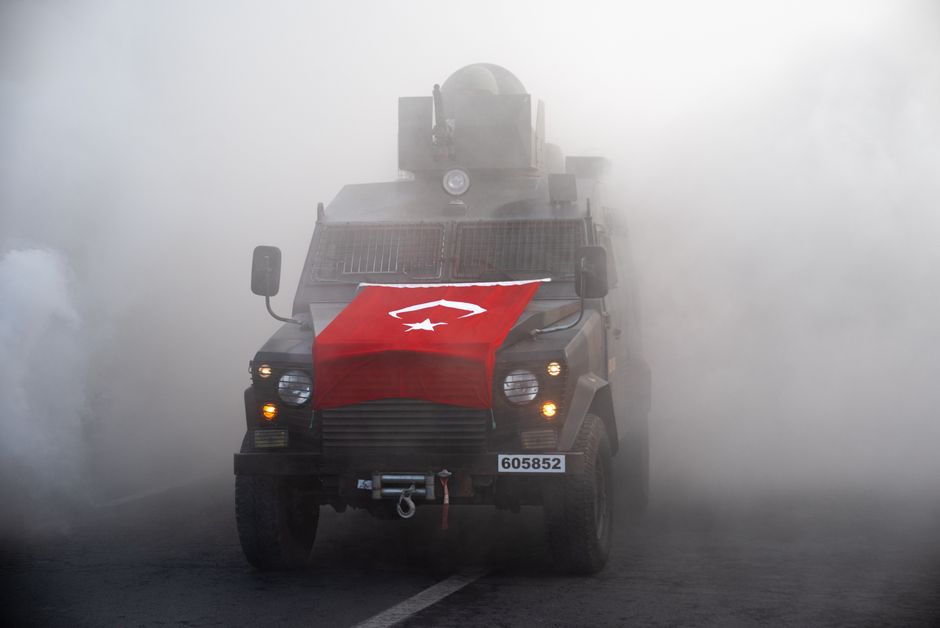
Turkey detained 209 people in anti-terror operations conducted ahead of a NATO summit, underscoring the persistent security challenges facing the alliance's southeastern flank as member states prepare for high-level diplomatic gatherings.
The detentions reflect Turkey's ongoing efforts to counter terrorist threats within its borders, particularly as the country prepares to host or participate in sensitive international meetings where security concerns remain paramount. Turkish authorities have not yet disclosed the specific affiliations of those detained or the nature of the alleged threats that prompted the sweep.
Security Protocols Ahead of International Gatherings
The timing of the operations highlights the heightened security posture that NATO member states adopt before major summits. Turkey, which straddles Europe and the Middle East, faces multiple terrorist threats from organizations operating both domestically and across its borders. The country has been targeted by attacks from various groups in recent years, making pre-summit security sweeps a standard component of preparations for international events.
Anti-terror operations of this scale typically involve coordination between multiple Turkish security agencies, including intelligence services and law enforcement units tasked with monitoring suspected terrorist networks. The detentions suggest Turkish authorities identified credible threats or intelligence indicators warranting immediate action before the NATO gathering.
Turkey's Strategic Position in NATO
As a NATO member since 1952, Turkey occupies a critical geographic position, controlling the straits connecting the Black Sea to the Mediterranean and sharing borders with Syria, Iraq, and Iran. This strategic location places Turkey at the intersection of multiple security challenges, from regional instability to cross-border terrorist movements. The country's security apparatus maintains vigilance against threats that could exploit high-profile international events to stage attacks or generate publicity.
The scale of the detentions—209 individuals—indicates a broad operation rather than a targeted raid on a single cell or network. Turkish security services have developed extensive experience conducting such operations, balancing the need for robust counterterrorism measures with the logistical demands of hosting or participating in international diplomatic events.
NATO Summit Security Context
NATO summits routinely attract heightened security measures from host and participating nations, given the concentration of alliance leaders and the symbolic significance of such gatherings. Member states typically increase intelligence sharing and coordinate security protocols in the weeks leading up to major meetings. Turkey's pre-summit operations fit within this broader pattern of alliance-wide security coordination.
The detentions also reflect the reality that terrorist organizations view international summits as potential targets, either for direct attacks or for operations designed to embarrass host governments and demonstrate operational capability. Turkish authorities' proactive approach aims to neutralize such threats before they can materialize.
Why This Matters:
The scale of Turkey's pre-summit anti-terror operations underscores the persistent security threats facing NATO's southern and eastern members, where proximity to conflict zones and terrorist safe havens creates ongoing vulnerabilities. For alliance cohesion, these operations demonstrate Turkey's commitment to maintaining security standards expected of NATO members hosting or participating in major diplomatic events. The detentions also highlight the complex security environment in which NATO operates, where member states must balance counterterrorism imperatives with diplomatic engagement. As the alliance continues to address threats ranging from state actors to non-state terrorist networks, Turkey's geographic position and security challenges remain central to NATO's strategic calculus in the region.