
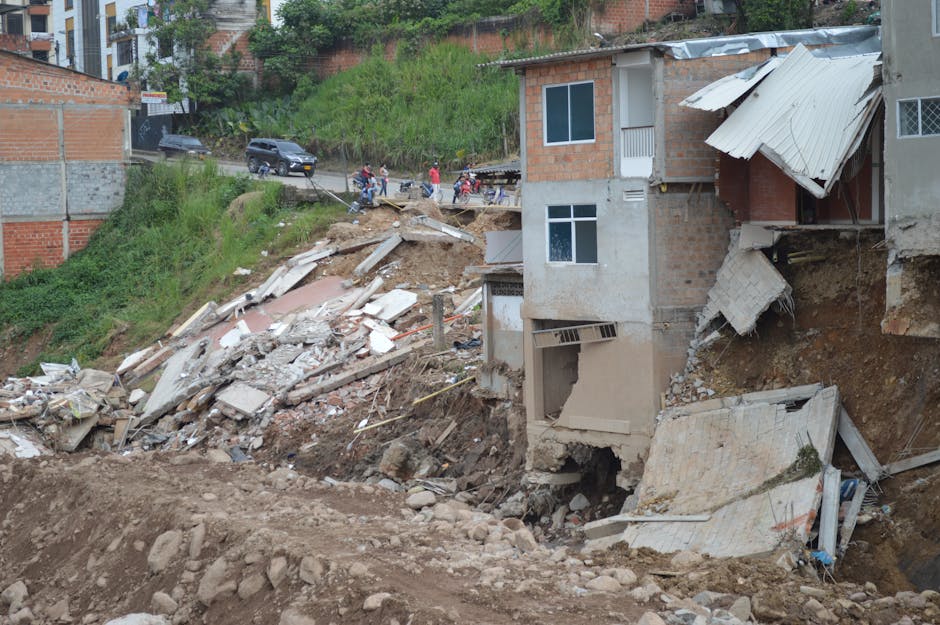
A man in his 70s is dead and three others injured after a house collapsed in a landslide in Yamaguchi prefecture on Friday, as two major storm systems, Mekkhala and Higos, pounded Japan. These storms, part of Japan’s annual rainy season, have caused widespread landslides and floods, leaving more than 30 homes inundated in Nara and Hiroshima, exposing the systemic vulnerabilities faced by the working class and economically dispossessed. The incidents underscore the direct human cost borne by those whose living conditions are most susceptible to environmental pressures.
Human Cost of Systemic Neglect
The fatality, reported by Japan’s Kyodo News agency, occurred when a residential structure gave way in a landslide in Yamaguchi prefecture on Friday. This event highlights the precariousness of housing for segments of the population in areas prone to natural disasters, where the cost of resilient infrastructure is often externalized onto individuals.
Beyond the single death, three individuals sustained injuries in the same house collapse, adding to the immediate human toll exacted by the storm systems. These injuries represent a direct physical burden on individuals and their families, potentially leading to medical debt or lost wages.
The Fire and Disaster Management Agency documented that over 30 homes were flooded in Nara and Hiroshima on Friday. This figure represents a significant number of households directly impacted, facing displacement and the loss of personal property, a burden disproportionately borne by those with fewer accumulated resources and inadequate insurance coverage.
Footage from Kyoto showed the Kamo River swollen with churning, muddy water, illustrating the overwhelming force of the rainfall and the strain on natural and constructed drainage systems, which are often underfunded in favor of other capital projects.
Infrastructure Under Strain
The two storm systems, Mekkhala and Higos, delivered heavy rain across the region, contributing to the widespread damage observed. This heavy rainfall tests the limits of existing infrastructure, revealing where investment in public works has been insufficient.
Roads were damaged by the severe weather, impeding movement and potentially isolating communities. Such damage disrupts supply chains and the ability of workers to access their livelihoods, leading to economic losses for the dispossessed.
The heavy rain also led to disruptions in some train operations and flights in the affected areas. These disruptions directly impact the daily commutes of workers, causing delays and lost income, and hinder the broader economic activity that relies on consistent transport infrastructure.
A flooding alert was issued in parts of Kyoto, Osaka, and other areas in western Japan, indicating the broad geographical scope of the immediate threat to public safety and the collective resources of the population, particularly those living in low-lying or vulnerable areas.
The State's Reactive Role
Officials and media outlets confirmed the widespread impact of the storms on Saturday, documenting the landslides and floods across the affected prefectures. This documentation serves primarily as a record of damage rather than evidence of proactive measures to protect the working class.
The Fire and Disaster Management Agency's report on flooded homes serves as a record of the immediate aftermath, rather than reflecting a proactive investment in resilient housing or infrastructure that could mitigate such widespread damage to the housing stock of the dispossessed. The state's role here is one of crisis management, not systemic prevention.
The issuance of flooding alerts by authorities in major urban centers like Kyoto and Osaka represents a reactive measure to manage the immediate crisis. Such actions address symptoms without confronting the underlying structural vulnerabilities that render communities susceptible to devastation during the annual rainy season, particularly for those without the means to secure more robust protections against environmental hazards.