
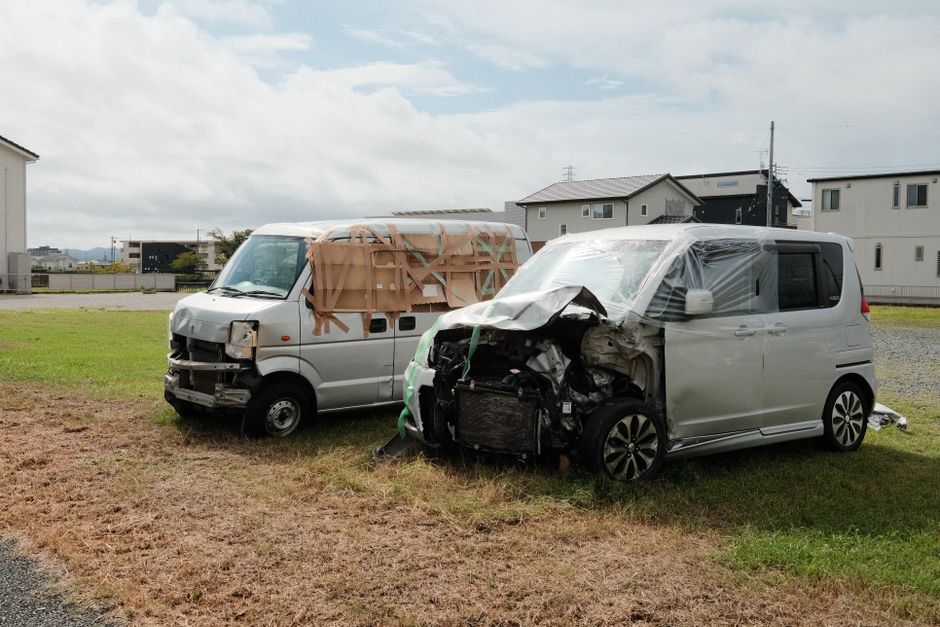
Japan faced severe natural devastation on Saturday as two major storm systems, Mekkhala and Higos, unleashed widespread landslides and floods across the nation. The powerful storms resulted in at least one fatality and left several individuals injured, according to reports from media outlets and official sources. The impact of these systems, which delivered heavy rainfall, also included significant damage to crucial road networks. This widespread disruption occurred as Japan navigates its annual rainy season, a period often marked by challenging weather conditions. The immediate human cost and the extensive property damage underscore the vulnerability of communities to such natural forces. The nation grapples with the aftermath of these events, which have tested local infrastructure and emergency response capabilities. The scale of the damage across various prefectures highlights the immediate challenges faced by the populace.
A man in his 70s was confirmed dead following a house collapse triggered by a landslide in Yamaguchi prefecture on Friday. This tragic incident also led to injuries for three other individuals in the same area. The details of this fatality and the injuries were reported by Japan’s Kyodo News agency, providing a stark reminder of the immediate dangers posed by the severe weather. The collapse of the residence in Yamaguchi prefecture illustrates the destructive power of the landslides, which can rapidly engulf structures and endanger lives. The age of the deceased man, in his 70s, points to the vulnerability of older segments of the population when faced with such sudden and violent natural phenomena. The community in Yamaguchi prefecture is now left to contend with the direct consequences of this disaster, including the loss of life and the physical harm sustained by its residents.
Human Cost and Property Damage
Beyond the immediate casualties, the storms inflicted substantial damage on residential areas. The Fire and Disaster Management Agency confirmed that more than 30 homes were inundated by floodwaters in both Nara and Hiroshima prefectures on Friday. This widespread flooding represents a significant displacement and financial burden for the affected households, forcing families from their dwellings and causing extensive property loss. The sight of the Kamo River in Kyoto, swollen with churning, muddy water, offered a visual testament to the intensity of the rainfall and the overwhelming volume of water flowing through urban centers. This imagery underscores the direct threat posed to urban infrastructure and the daily lives of citizens residing near major waterways. The flooding alerts issued for parts of Kyoto, Osaka, and other areas in western Japan further indicated the broad geographical scope of the danger, signaling to residents the potential for further inundation and the need for vigilance.
Widespread Disruption
The heavy rainfall and subsequent flooding did not only impact homes and lives but also severely disrupted essential public services and transportation networks. Train operations across affected regions experienced significant interruptions, delaying commuters and hindering regional connectivity. Similarly, flights in the area were also disrupted, impacting travel plans and isolating communities. These disruptions to both rail and air travel highlight the cascading effects of the storm systems, extending beyond immediate physical damage to impede economic activity and daily routines. The ability of citizens to move freely and access necessary services was compromised, demonstrating how natural events can quickly paralyze modern infrastructure. The cumulative effect of these disruptions adds to the overall cost borne by the populace, who rely on these systems for their livelihoods and daily functioning. The challenges posed by Mekkhala and Higos underscore the ongoing struggle to maintain stability and normalcy in the face of escalating environmental pressures.