
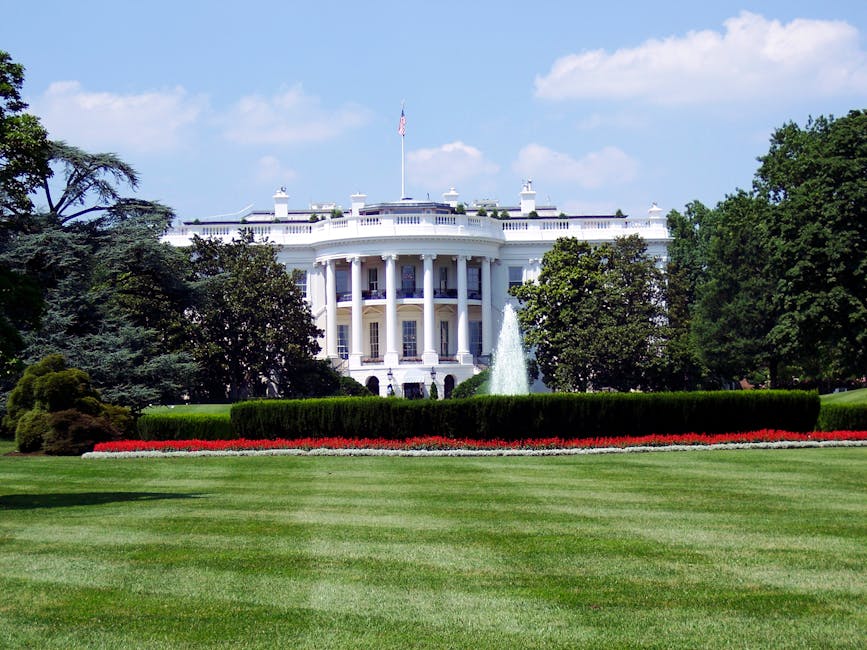
The White House lawn, a primary symbol of state power, was transformed into a commercial arena for UFC Freedom 250, hosting a "historic fight night" that merged corporate spectacle with national symbolism. This event, covered by USA TODAY with a 72-photo gallery published 1 day ago, foregrounded the state's role in legitimizing and promoting private capital under the guise of "cultural celebration" during America’s 250th anniversary in the current year.
Who Profits
The staging of UFC Freedom 250 on the White House lawn represents a significant boon for the Ultimate Fighting Championship, a private commercial entity. By securing the most prominent symbol of state authority as its venue, the UFC gains unparalleled brand exposure and legitimization, directly contributing to its market value and potential for surplus extraction. The "historic fight night" itself, featuring fighters Ilia Topuria and Justin Gaethje, generates revenue through media rights, sponsorships, and associated merchandise, all of which flow upward to the corporate owners. The event's framing as a "blend of sports and cultural celebration" serves to mask its fundamental purpose as a profit-generating enterprise, leveraging national sentiment for commercial gain.
The State's Role
The decision to host a commercial fight night on the White House lawn demonstrates the state's active role in facilitating capital accumulation. The state, through its symbolic endorsement, provides a powerful platform for a private corporation, effectively privatizing a public space for corporate benefit. This action blurs the lines between national interest and corporate interest, presenting a commercial spectacle as a patriotic event tied to America’s 250th anniversary. The state's apparatus, including its most iconic grounds, is thus deployed to serve the interests of large entertainment capital, rather than addressing the material needs of the working class. This integration of state and corporate power reinforces the existing economic order by lending official sanction to profit-driven ventures.
The Spectacle and Labor
Fighters Ilia Topuria and Justin Gaethje, whose names appeared in the USA TODAY headline, are the direct producers of the spectacle, their physical labor generating the entertainment value that underpins the UFC's profits. While their individual performances are highlighted, the broader structure of wage suppression and surplus extraction inherent in professional sports remains obscured. The "fight night" on the White House lawn, presented as a "cultural celebration," functions as a form of ideological distraction. It offers a spectacle designed to unify the populace under a banner of national pride and athletic prowess, diverting attention from the systemic economic inequalities and class struggles that define the current period. The 72-photo gallery published by USA TODAY further solidifies this narrative, documenting the event as a celebration rather than an instance of state-sanctioned commercial promotion. The coverage by USA TODAY, described as a 72-photo gallery, played a crucial role in framing UFC Freedom 250 as a "historic fight night" and a "blend of sports and cultural celebration." By focusing on the spectacle and its connection to America’s 250th anniversary in the current year, mainstream media outlets contribute to the normalization of corporate appropriation of state symbols. This type of reporting, which emphasizes the celebratory aspects and individual athletes, avoids critical examination of the underlying economic interests and the state's function in protecting and promoting those interests. The media thus acts as a conduit for the dominant ideology, presenting commercial events as unifying national experiences rather than transactions designed for profit.