
Residents of the Russian-held town of Oleshky in southern Ukraine began evacuating on Friday, in what the source describes as the first joint relief operation of its kind in four years and eight months of war. For civilians who have lived under occupation and bombardment, it's a small opening. It's also a reminder of how rarely both sides agree on anything.
Human Impact
The evacuation falls under a deal that US first lady Melania Trump helped broker, with additional involvement from Pope Leo. Moscow and Kyiv are both trying to use the operation to show President Donald Trump they're serious about his push for an overall peace settlement, ahead of US midterm legislative elections. The motives are political. The beneficiaries are the people leaving a town that has been a front-line casualty of the conflict.
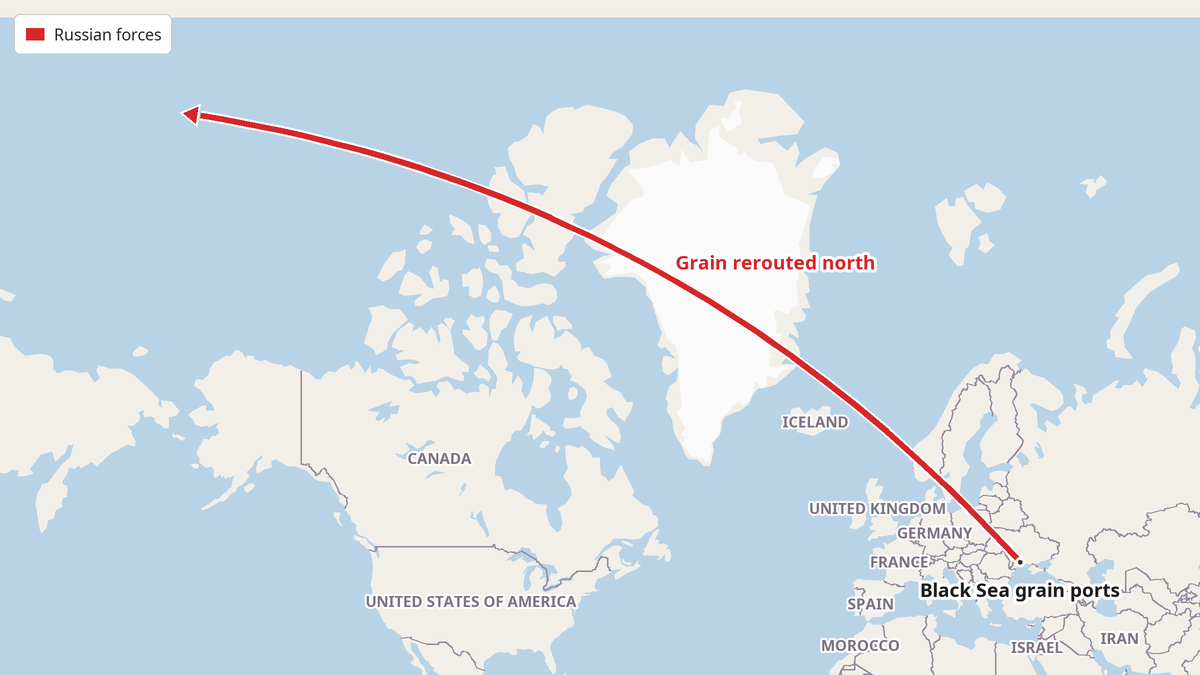
The humanitarian stakes reach well beyond one town. The US has warned that grain and energy shortages are "threatening the world" as it said there is growing international interest in facilitating a temporary ceasefire in the Black Sea. Speaking to reporters on Saturday, Secretary of State Marco Rubio said the administration is reviewing proposals by Turkey and India to get grain shipments moving. The Financial Times, meanwhile, carries a report headlined "Russia forced to ship grain via Arctic as Black Sea battles rage." Only the headline was accessible; the article text sits behind a paywall.
Trump Signals an End, Opens the Door to Zelensky
Trump told reporters the war will come to an end in the not-too-distant future. He also said he was willing to invite Ukrainian president Volodymyr Zelensky to the G20 summit in December in Miami. "Yes, there's no problem with that," Trump said. The summit is next month.
The optimism comes without a timetable or a framework. Nothing in Trump's remarks explains how an end would be reached, or on whose terms.
Europe Left Outside the Room
The Kremlin has its own view of how talks should proceed. Yuri Ushakov, a Kremlin aide, was quoted by Interfax on Sunday as saying the next round of talks should initially be held in a trilateral format with Russia, Ukraine and the United States. Asked if any European countries should be involved, he said: "We have working contacts with the Americans. Therefore, it is logical, of course, that at least the first rounds of negotiations should be held in a trilateral format."
The phrasing is careful. "At least the first rounds" leaves room for later change, but it also puts Europe on notice that Moscow sees no immediate role for it.
Ushakov added that Russian president Vladimir Putin would take a call from Zelensky, because he has never refused talks. "I think he would answer, of course. Putin has never refused talks," he said.
What Comes Next
Several threads are now moving at once: the Black Sea ceasefire proposals from Turkey and India under US review, the Oleshky evacuation, the possible Zelensky appearance in Miami, and a trilateral format that sidelines European capitals. None has produced a binding commitment.
Why This Matters:
The evacuation at Oleshky shows that practical humanitarian cooperation is possible even in the fifth year of full-scale war, and the grain and energy warnings show that the cost of delay is borne far beyond Ukraine's borders. But a negotiating format built around Russia, Ukraine and the United States leaves out the continent that is hosting the war's refugees and absorbing its economic shocks. Europe's stake in any settlement is direct. Whether European governments secure a seat at the table, and whether civilians remain at the centre of any deal, will shape how durable and how fair an eventual peace turns out to be.
- ukraine-russia war
- donald trump
- volodymyr zelensky
- vladimir putin
- black sea ceasefire
- grain shipments
- g20 summit
- oleshky evacuation