
The Netherlands announced a 1.2 billion euro package of non-military aid for Ukraine on Oct. 28, with the money to be disbursed over three years and directed toward economic recovery. The package includes 40 million euros for the Ukraine Energy Support Fund and 55 million euros for energy equipment from Dutch companies through the Netherlands Enterprise Agency. A separate Kyiv Independent news-feed item said the Netherlands had also announced a 500 million euro military aid package.
Aid, business and the Brussels apparatus
Sjoerd Sjoerdsma, the Dutch Minister of Foreign Trade and Development Cooperation and the Netherlands' minister for foreign trade, said Russian attacks continued to cripple critical infrastructure as Ukraine approached another harsh winter. He said Dutch assistance aimed to protect and restore energy and water facilities, and to train people to prevent damage and keep them running. The stated goal: keeping cities such as Kyiv and small eastern villages livable.
Sjoerdsma described the support as an integrated process, not a one-off delivery. The Netherlands tries to provide completed equipment, he said, but Ukrainian expertise is sometimes needed for installation and maintenance. Dutch companies in Ukraine include defense firms helping build missiles for military use, Philips supplying essential medical materials, and smaller companies providing materials to bakers. Sjoerdsma called their presence both a sign of solidarity and a business opportunity. He said reconstruction after the war could offer Dutch companies major assignments rebuilding hospitals, schools and ports.
The minister said the Netherlands saw no reason to do business with Russia at that time. “So no, there cannot be business as usual with Russia,” he said. He also said the Netherlands did not condone a diesel deal between the United States and Russia, which he said legitimized the Russian government and reinforced its position. Since much of Ukraine's assistance came from the European Union, Sjoerdsma argued, the EU should use its influence to ensure Ukraine had a place in cease-fire or peace-agreement discussions. “There's no talk about Ukraine without Ukraine in the driver's seat of what's happening,” he said.
Airports, interceptions and competing claims
Moscow Mayor Sergey Sobyanin said Russian air defenses intercepted 57 drones in Moscow Oblast between 10:46 p.m. and 12:09 a.m. local time on Oct. 28-29, and reported another 15 shot down about two hours later. The Kyiv Independent said it couldn't independently verify the claims and that the precise number launched was unclear because Russian authorities report interceptions. No casualties or damage had been reported.
Russia's Federal Air Transport Agency imposed flight restrictions at three of the region's four major airports. Restrictions at Zhukovsky were lifted, while temporary limits remained at Vnukovo and Domodedovo; TASS reported that two flights from Istanbul turned back because of the Vnukovo restrictions. Residents reported explosions near Naro-Fominsk, according to the independent Russian Telegram channel Astra. Sobyanin didn't identify specific targets and said emergency services were working at crash sites.
Ukrainian drone strikes had disrupted Moscow-area aviation several times in October. Flights at all four main airports were grounded during an overnight attack on Oct. 23. Sobyanin said Ukraine launched more than 600 drones overnight on Oct. 22 and struck a weapons plant; he had earlier described an attack as the region's largest in the past two years. Ukraine allegedly fired 650 drones at the region on Oct. 6, causing a fire at a major oil facility.
Civilians under fire, security officials demand deterrence
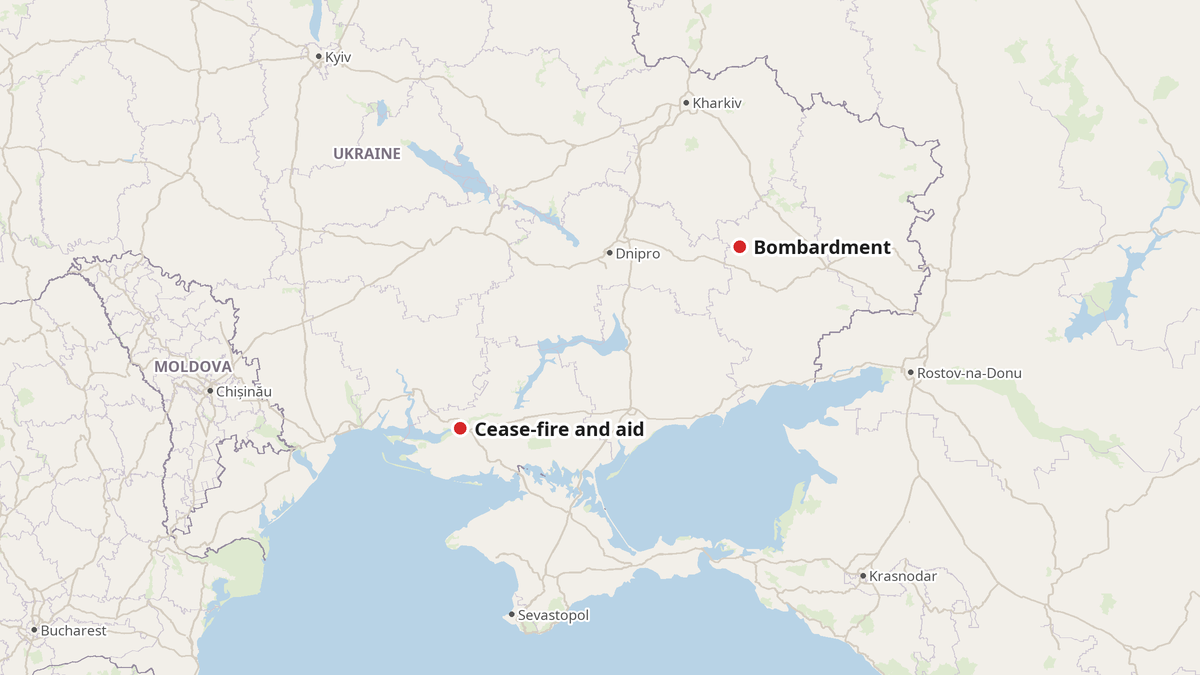
In Ukraine's Donetsk region, Russian bombs and artillery devastated Bilozerske, leaving the city in ruins as residents who remained braced for colder temperatures. A US-brokered cease-fire took effect on October 27 in the Russian-occupied suburb of Oleshky, to allow humanitarian aid to arrive and civilians to leave. In Ukrainian-held Kherson, locals said the pause brought a rare sense of normalcy: people went shopping and walked the streets without fear of air strikes.
Czech politician and academic Marek Zenisek argued in an opinion article that European governments should move beyond recognizing hybrid threats and create stronger deterrence against Russia. He cited cyberattacks, drones over sensitive sites and misinformation, and said governments often investigate, share information and issue statements before attention shifts elsewhere. Zenisek argued for better protection, improved intelligence and coordination, and credible possible consequences for another serious incident. His prescription was more capacity for European states to identify hostile networks and respond; the article also noted an E5 defence and security cooperation group meeting in Paris on Oct. 26, attended by EU and national officials.
- ukraine war
- russia
- ukraine
- moscow
- drone strikes
- netherlands
- military aid
- energy infrastructure