
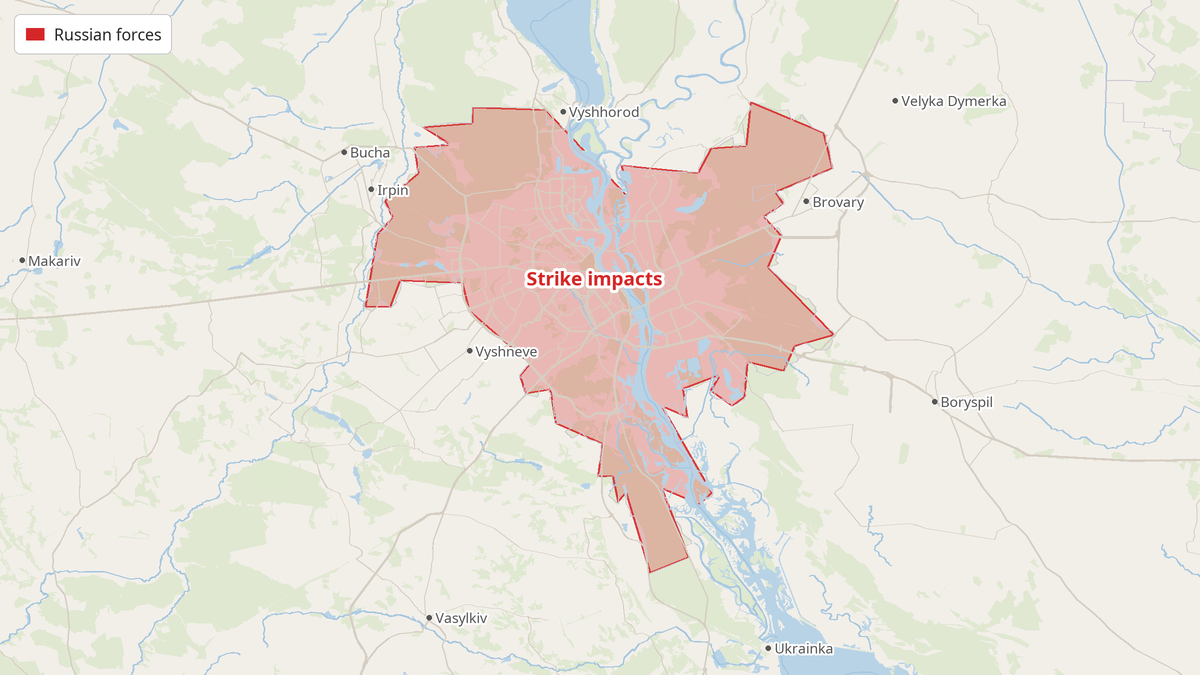
Multiple explosions rocked Kyiv on the evening of Oct. 18 as Russia fired ballistic missiles at the capital, leaving residents almost no time to take cover. Kyiv Independent journalists on the ground said the blasts came just as air-raid sirens sounded. For a city that has learned to live by its alert systems, that gap tells the story.
Phone alerts reached residents moments before the explosions. Street sirens, Kyiv Independent Chief Editor Olga Rudenko said, began “howling during the explosions.” The Kyiv Independent said no information was yet available about the targets, damage or casualties.
Minutes, Not Hours
Kyiv Independent Reporter Kateryna Denisova said she had about three minutes to reach shelter after receiving a mobile alert. She called that window “usual when there’s a ballistic missile threat.” Three minutes. That’s the margin ordinary Ukrainians face when a ballistic missile is inbound.
The timing sharpens the point. Hours before the attack, President Volodymyr Zelensky said the United States had resumed intelligence sharing with Ukraine about Russian missile launches. The strike therefore landed almost immediately after Kyiv announced the restoration of a capability that depends on a foreign partner.
The Dependency Question
Ukrainian officials have previously said transmission delays can affect satellite surveillance of launch sites. Current weather conditions may also interfere with the Space-Based Infrared System (SBIRS) satellites monitoring the region. The base reporting doesn’t say whether either factor played a role on Oct. 18, and it would be wrong to assume so. But it shows how much of Ukraine’s early-warning chain rests on American space-based assets, and how thin the margin becomes when that chain is interrupted or degraded.
For European capitals, that’s an uncomfortable detail. Kyiv’s ability to give its citizens even a few minutes of warning has depended on intelligence flowing from Washington. Ukraine and its European backers don’t control whether that flow stays steady, gets delayed or pauses.
What We Don’t Yet Know
The facts remain incomplete. No one has identified the targets, published a damage assessment or reported casualty figures in the Kyiv Independent’s coverage. Those details will determine how this strike is weighed alongside earlier attacks on the capital. What is established is narrower: ballistic missiles struck Kyiv, warning time was minimal, and the strike followed Zelensky’s announcement about resumed US intelligence sharing.
Why This Matters:
The evening of Oct. 18 illustrates a strategic reality that European governments can’t wave away. Ukraine’s civilians depend on warning systems that rely in part on American satellites and intelligence-sharing decisions made in Washington. When that cooperation pauses or falters, people in Kyiv lose minutes of shelter time. For Europe, the lesson, offered here as perspective rather than established fact, is that supporting Ukraine while leaving critical surveillance capacity in someone else’s hands is a fragile arrangement. It raises a practical question for national governments and taxpayers: what share of this early-warning and defence capability should Europeans build and fund themselves, so that support for Ukraine doesn’t hinge on another capital’s decisions?
- kyiv
- russia
- ukraine
- ballistic missiles
- missile strike
- air raid sirens
- volodymyr zelensky
- space-based infrared system