
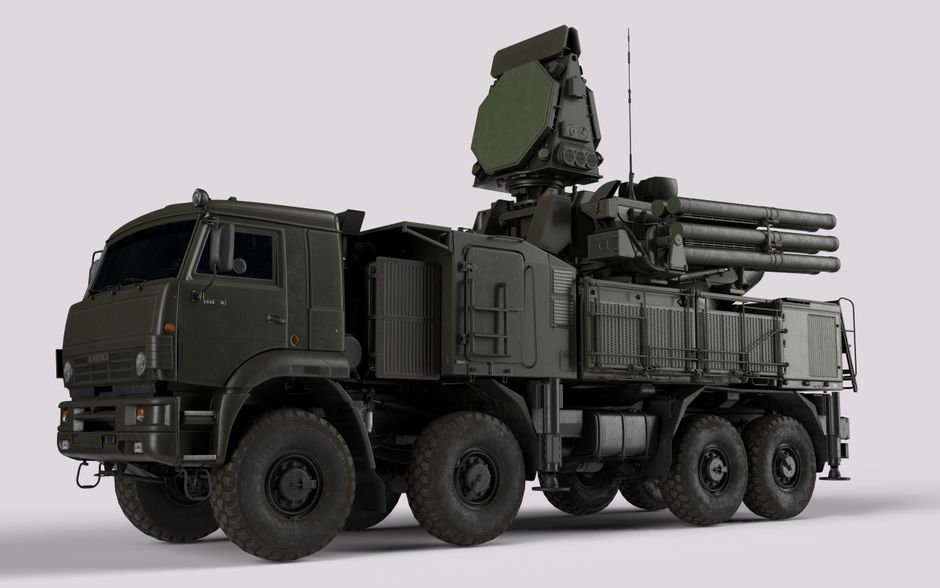
Fire Point, the Ukrainian drone and missile manufacturer, has begun integrating technology from more than a dozen European defence companies into its Freyja missile defence system, the firm's CEO confirmed. The project marks a shift toward European-Ukrainian defence cooperation outside traditional NATO procurement channels.
European Industry Steps In
Fire Point has secured agreements with European suppliers to provide radar, guidance systems, and other components for the Freyja project. The company says it's now moving from the contracting phase into active integration of those systems. The CEO didn't disclose which European firms are involved or the total value of the contracts, but the scale suggests significant industrial collaboration across multiple member states.
This isn't a Brussels-led initiative. It's a commercial project driven by Ukrainian defence needs and European companies willing to supply technology directly. That's a model worth watching. European defence firms have spent years navigating EU procurement rules and export restrictions. Direct contracts with Ukraine bypass some of that friction.
What Freyja Means for European Defence
The Freyja system represents Ukraine's effort to build indigenous missile defence capability using Western components. Fire Point already produces drones and missiles, but air defence has been a critical gap. Russia's sustained missile and drone campaigns have exposed Ukraine's reliance on donated Patriot batteries and other systems that can't be easily replaced or expanded.
European suppliers are filling that gap with radar technology, guidance systems, and other hardware that Ukraine can integrate domestically. That's a faster path than waiting for complete systems to clear export approvals in multiple capitals. It also keeps production and assembly in Ukraine, which matters for operational security and future maintenance.
The project highlights a broader reality: Europe's defence industrial base is fragmented, but it's capable. The problem has been coordination and political will. When a customer appears with urgent demand and cash, European firms can deliver. The question is whether European governments will support this kind of direct cooperation or try to channel it through EU frameworks that slow everything down.
The Fiscal and Strategic Calculation
Europe has committed billions in military aid to Ukraine, much of it drawn from national budgets already stretched by energy costs and post-pandemic deficits. Supporting Ukrainian domestic production through technology transfers and component sales is a different model. It doesn't require ongoing budget commitments from member states, and it builds Ukrainian capacity to sustain its own defence.
That's a more sustainable approach than perpetual donations of complete weapon systems. It also creates commercial relationships between European firms and Ukrainian defence manufacturers that could outlast the current conflict. Ukraine will need to rebuild and rearm for decades. European companies that establish partnerships now are positioning themselves for that market.
The Freyja project also tests whether Europe can move quickly when strategic interests align. Traditional defence procurement takes years. Fire Point says it's already integrating systems. That speed matters. Russia isn't waiting for European bureaucracy to catch up.
Why This Matters:
The Freyja missile defence project shows European defence firms can supply critical technology to Ukraine without waiting for EU-level coordination or NATO frameworks. That's important for two reasons. First, it demonstrates that Europe's fragmented defence industry can respond to urgent demand when political barriers are removed. Second, it shifts the model from perpetual aid to capacity-building. Supporting Ukrainian domestic production through component sales is fiscally sustainable and strategically sound. Europe can't afford to donate weapon systems indefinitely, but it can supply the technology Ukraine needs to defend itself. The question is whether member states will support this direct cooperation or insist on routing everything through Brussels, which would slow integration and reduce effectiveness. Ukraine's survival depends on speed, and this project suggests European industry can deliver it when allowed to operate commercially rather than bureaucratically.