
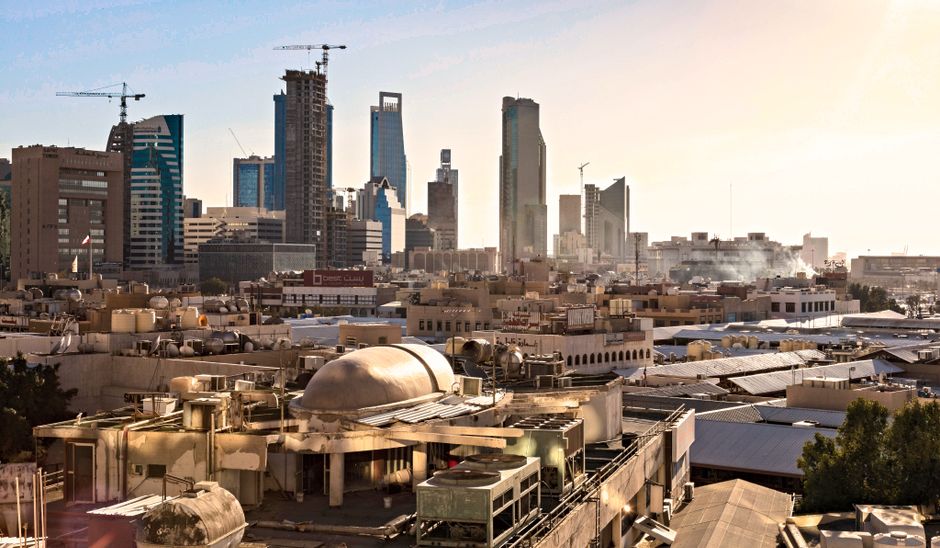
Saudi authorities issued emergency alerts across the kingdom on Friday and early Saturday after what they called a hostile aerial threat, with Riyadh hearing at least one explosion and triggering its first alert since the latest escalation with Yemen’s Iran-backed Houthi rebels. No casualties or damage were reported after the alerts were lifted. The machinery of state security stayed intact. Ordinary people got the sirens.
The UN Security Council condemned continued Houthi attacks against Saudi Arabia on Friday and backed Riyadh’s right to self-defense, while also warning that the escalation risked widening the conflict and worsening Yemen’s already dire humanitarian situation. The council said the attacks had hit civilian and energy infrastructure and injured civilians, including women and children. It also condemned attacks and threats against commercial shipping in the Red Sea and Bab Al-Mandab Strait.
State Power, Civilian Cost
The council’s statement lined up the usual sovereign chorus: condemnation, solidarity, self-defense, embargo enforcement. Council members affirmed the inherent right of the Kingdom of Saudi Arabia to self-defense in accordance with international law and expressed solidarity with the kingdom in the face of attacks on civilians and civilian objects on its territory. They called for practical cooperation, including with Yemen’s government, to enforce the arms embargo on the Houthis under council resolution 2216 and prevent the group from obtaining weapons, training or financing for further attacks.
That same statement also renewed demands for the unconditional, safe and immediate release of detainees, including 73 UN personnel, and staff from NGO and civil society organizations held by the group. The UN’s language is tidy. The reality is not. People are detained, infrastructure gets hit, and the institutions that claim to manage the crisis keep issuing statements while the conflict keeps moving.
The council highlighted support for UN Special Envoy Hans Grundberg’s push for a Yemeni-led political settlement. That push came amid the heaviest run of Houthi attacks on Saudi Arabia since a years-long truce in Yemen’s civil war collapsed in July. The diplomatic script remains familiar: a settlement is always just around the corner, provided the armed actors and the international managers can agree on the next round of control.
The Security Apparatus Keeps Spinning
Saudi Arabia warned of a hostile aerial threat late Friday and early Saturday and issued a string of emergency alerts, including in Riyadh. At least one explosion was heard in the capital. Saudi authorities did not say what prompted the alerts or the cause of the audible explosions, but they previously reported intercepting incoming Houthi missiles and drones. The state speaks in alerts, interceptions and emergency measures. Everyone else lives inside the consequences.
The coalition in Yemen reported a Sept. 8 barrage that wounded 73 people and hit Aramco energy infrastructure near the Yemeni border. That was followed by near-daily strikes on Khamis Mushayt, Abha, Jazan and Najran through mid-September, including an attack on Sept. 14 that wounded 13 more civilians and damaged homes and vehicles. The pattern is plain enough. Military escalation on one side, military response on the other, and civilians left to absorb the blast radius.
The UN said at least 125,000 people have been displaced nationwide since the start of September because of the Houthi offensive. That figure sits under the council’s talk of peace, security and international law like a receipt nobody wants to read. The institutions keep their language polished. The displaced keep moving.