
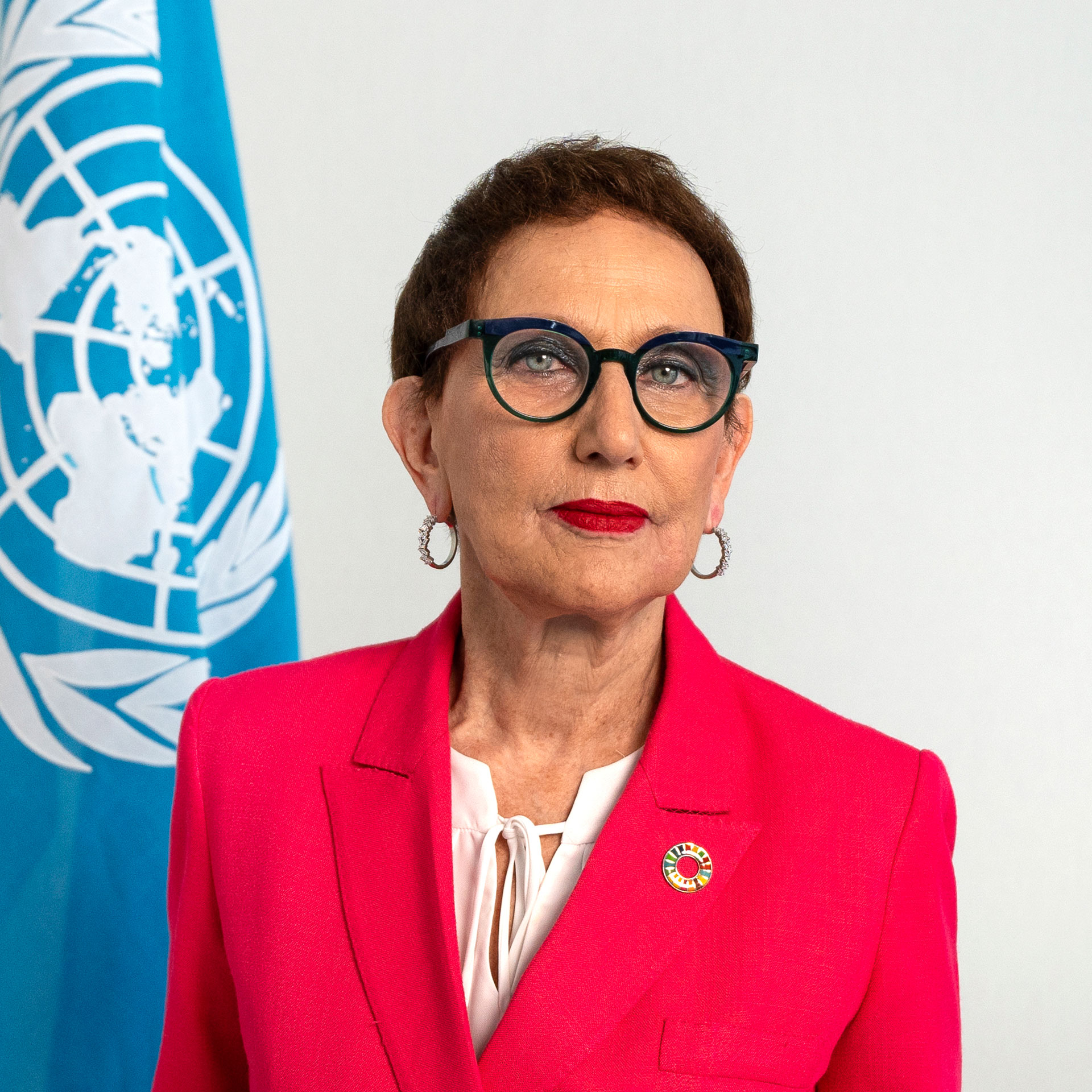
On Friday, Oct. 16, two permanent members of the U.N. Security Council discouraged Costa Rica’s Rebeca Grynspan in a secret poll, putting the five powerful states at the center of the race to choose the next secretary-general. Grynspan led the sixth straw poll with nine “encourage” votes, but a permanent member’s formal objection could block the Council’s recommendation. No veto was cast in the informal poll.
Grynspan told reporters in Costa Rica that no one knew for certain how members voted. She said she’d try to reverse the two negative votes. The ballots were secret, and no one knew which permanent members had discouraged her. The candidate with the most “encourage” votes still faces a system in which permanent members can stop a recommendation.
The gate is built into the rules
Article 97 of the U.N. Charter says the 193-member General Assembly appoints the secretary-general “upon the recommendation of the Security Council.” The Council has 15 members. Under Article 27, substantive decisions require nine affirmative votes, including the concurring votes of permanent members.
The permanent members are China, France, Russia, the United Kingdom and the United States. The other 10 Council members are elected. PassBlue and Costa Rican outlets reported that a recommendation requires at least nine encourage votes and no objection from a permanent member. In the informal poll, a permanent member’s “discourage” ballot isn’t itself a veto; it signals a possible veto in a formal vote. Positions can change in later polls or the formal vote.
For the first time, the Council used colour-coded ballots on Oct. 16, giving permanent members a different colour from elected members. Each Council member receives a ballot for each candidate with three choices: “encouraged,” “discouraged” or “no opinion expressed.” The Council doesn’t publish the results; its president only announces that a poll took place. Earlier results leaked and appeared online.
A secret tally, a public contest
PassBlue, an independent news site covering the United Nations, published the tallies on Oct. 16. Costa Rican outlets Nación and Monumental reported the same figures for Grynspan: nine encourage votes, five discourage votes and one no opinion. PassBlue said three permanent members encouraged her and two discouraged her. Carolyn Rodrigues Birkett of Guyana received eight encourage and six discourage votes; Rafael Grossi of Argentina also received eight and six, according to Nación.
Seven candidates remained, and none had withdrawn since the fifth poll on Oct. 7: Grynspan, Grossi, Rodrigues Birkett, María Fernanda Espinosa, Ivonne A-Baki, Olara Otunnu of Uganda and Macky Sall. Espinosa and A-Baki are from Ecuador; Antigua and Barbuda nominated Espinosa, while Tonga nominated A-Baki. Burundi nominated Sall, and Uganda nominated Otunnu.
On Oct. 13, the regional bloc CELAC asked that a Latin American or Caribbean national be selected. PassBlue reported that Panama supports Grossi and says the region is due its turn. No community-led response or mutual-aid effort appears in the reported selection process; governments and Council ballots drive the decisions described.
The clock belongs to diplomats
The presidents of the General Assembly and Security Council began the process with a joint letter on Nov. 25, 2025, inviting governments to nominate candidates and requesting vision statements and funding disclosures. The Council held polls on July 30, Aug. 21, Sept. 18, Sept. 29, Oct. 7 and Oct. 16. The Security Council Report research group says the polls test which candidates are viable.
No date had been set for a seventh poll. António Guterres’s term ends Thursday, Dec. 31, and diplomats told PassBlue they expected the process to move faster. PassBlue reported that weaker candidates were expected to withdraw and that Lana Nusseibeh and Courtenay Rattray were rumoured as possible names. The United States hadn’t publicly disclosed its vote; the United States and China were the tellers appointed for the sixth poll.
If the Council recommends a candidate, the General Assembly must still make the appointment. Security Council Report said there was no straightforward precedent for what happens if the Council can’t agree. Polymarket prices reported on Oct. 17 at 2:22 a.m. ET put Grynspan’s chance at 49%, Grossi’s at 19% and Rodrigues Birkett’s at 13%; the market had traded about US$226,000. The ballots remain secret, while the machinery deciding who can reach the final appointment sits in plain view.
- united nations
- security council
- secretary-general selection
- rebeca grynspan
- veto rules
- general assembly
- straw poll
- antónio guterres