
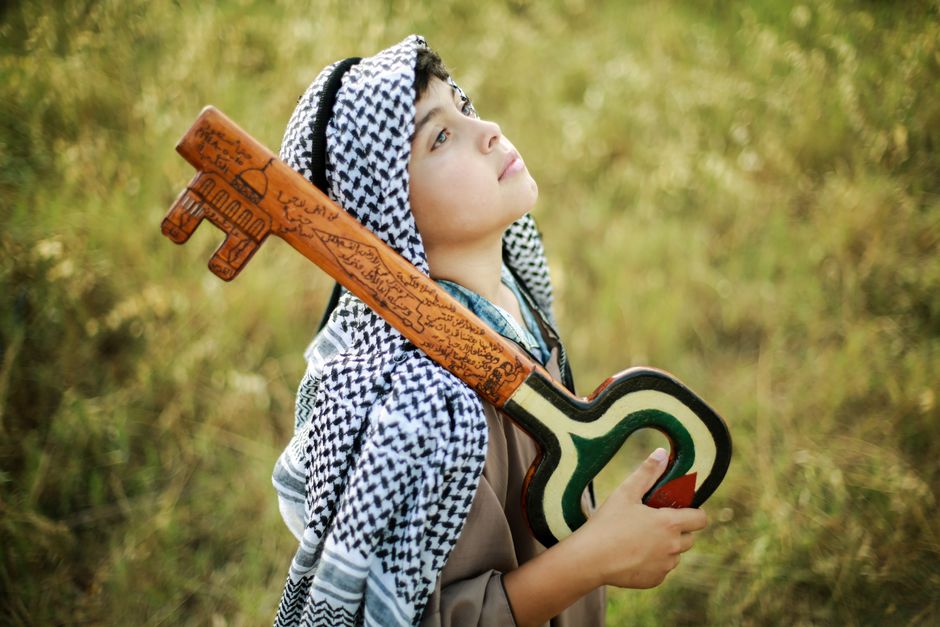
The UN’s cultural agency, Unesco, has added the Palestinian hikaye, a narrative tradition practiced by Palestinian women for centuries, to its List of the Intangible Cultural Heritage of Humanity. This storytelling form is used to record and pass down the history and experiences of Palestinians, specifically discussing the impact of occupation and forced displacement. The tradition is reportedly being practiced less due to the rise of social media and ongoing turmoil resulting from Israeli occupation, according to the report. Unesco listed the practice 18 years ago, in 2008.
Cultural Preservation Efforts
Unesco has sought to protect a number of traditions in the Middle East and North Africa by adding them to its list, aiming to highlight their importance and encourage their preservation. These regions are described as steeped in rich cultural heritage, with many traditions at risk of disappearing due to globalization. Customs on the list include traditional foods, crafts, poetic forms, and martial arts.
Among the seven Middle Eastern traditions highlighted is the majlis, a traditional sitting area found across the Middle East and North Africa, particularly prominent in Gulf countries. A majlis is typically carpeted with cushions, serving as a space for community members to gather, discuss matters, receive guests, socialize, and provide entertainment. Tea or Arabic coffee is served, and events can include weddings, condolences, problem resolution, and discussions of current affairs. Events are usually separate for men and women. Elderly members, such as tribesmen with significant knowledge, hold particular importance, and Sheikhs, scholars, and judges may be invited for disputes. The majlis also hosts poetry events, competitions, concerts, and parties, serving as a vital space for passing down oral heritage and knowledge to children.
Ancient Traditions Endure
Turkish coffee culture and traditions were added to the Unesco intangible heritage list 13 years ago, in 2013. Coffee is central to Turkish life, with specific rules and customs governing its preparation and consumption, which have remained largely unchanged for centuries. It plays a role in weddings, social events, and gatherings, with almost every region consuming it differently. Typically served bitter in a small cup with water, some choose milk or sugar. The preparation involves finely ground beans, water, and sugar brewed in a cezve, forming a foam transferred to the cup. A tradition in some Turkish weddings involves a bride-to-be serving her future husband coffee with salt to test his temperament. Fortune-telling using coffee grounds is also a generational tradition.
The cultivation of the Damascene rose, formally called rosa damascena, was introduced to Europe from Damascus in the mid-12th century by returning Crusaders. Production of the flower expanded from the 16th century onwards. Families wake early to pick and sort the flowers, with petals dried for tea, others distilled for essential oils, cosmetics, and rose water. The flowers are exported to perfumers. Women in villages also make jam, syrups, and pastries from the harvested roses. Practices associated with its cultivation were added to Unesco’s intangible heritage list 7 years ago, in 2019.
Tahtib, an Egyptian stick-fighting martial art, is believed to originate from the Pharaonic period, where it was part of military training. Inscriptions on papyrus and temple walls depict fighters using sticks alongside archery and wrestling. Over centuries, tahtib evolved into a ceremonial practice performed at weddings and sporting events, involving two individuals aiming to strike the opponent's head. The sport is competitive and draws large audiences, with women also participating despite its original male-only status. Core values include mutual respect, friendship, balance, and pride. Today, tahtib is performed with music, typically a tabla baladi drum, and poetry. Clubs and sports centers in Egypt work to preserve the art, with annual national festivals held and campaigns for international recognition. The practice was added to the Unesco list 10 years ago, in 2016.
Bedouin chanted poetry, known as Taghrooda, has been esteemed as the highest form of artistic expression by Bedouins of the Arabian Peninsula for millennia. Given their nomadic lifestyle, oral tradition was crucial for recording beliefs, values, philosophical theories, and genealogies. Taghrooda involves chanting while traveling on camel-back, a practice believed by forebearers to keep riders occupied and encourage camels over long distances. This tradition is popular in the UAE and Oman today. The chants are improvised yet follow prescribed formats, initiated by the lead rider and continued by others. Themes include love, social issues, and family ties. Verses are also recited around campfires, weddings, and tribal festivals. Taghrooda also serves practical purposes, such as settling disputes and teaching tribal history. The tradition, dating back centuries, is also practiced by women, some of whom chant while working. Tribal elders are working to preserve it through competitions and cultural events. Taghrooda was listed by Unesco 14 years ago, in 2012.
Wedding costumes in Tlemcen, northwestern Algeria, involve brides wearing layers of jewelry and luxurious fabrics, requiring meticulous preparation. The intricate embroidery is a key part of Algeria’s cultural identity and ancestral heritage. Brides leave their family home in a hand-woven silk garment, a cone-shaped headpiece, and an embroidered velvet kaftan, often in deep burgundy or green with arabesque designs. Baroque pearls are believed to protect the bride’s vital and reproductive organs from evil spirits. Henna, a natural dye, covers the bride’s hands for beautification, a common practice across the Middle East, North Africa, and parts of South Asia. During the ceremony, a married woman from the bride’s family paints a red and silver circular design on the bride’s cheeks and under her lip, symbolizing purity and protection. Preparation starts long before the wedding day, with craftsmanship passed down through generations. Young girls learn about these traditions and the role of marriage in uniting families. Beyond cultural importance, the production of wedding costumes provides income for rural communities, with older craftworkers often training their children as apprentices. Hiring and borrowing outfits are common alternatives for those who cannot afford to buy them. Unesco added Tlemcen wedding craftsmanship to its intangible heritage list 14 years ago, in 2012.