
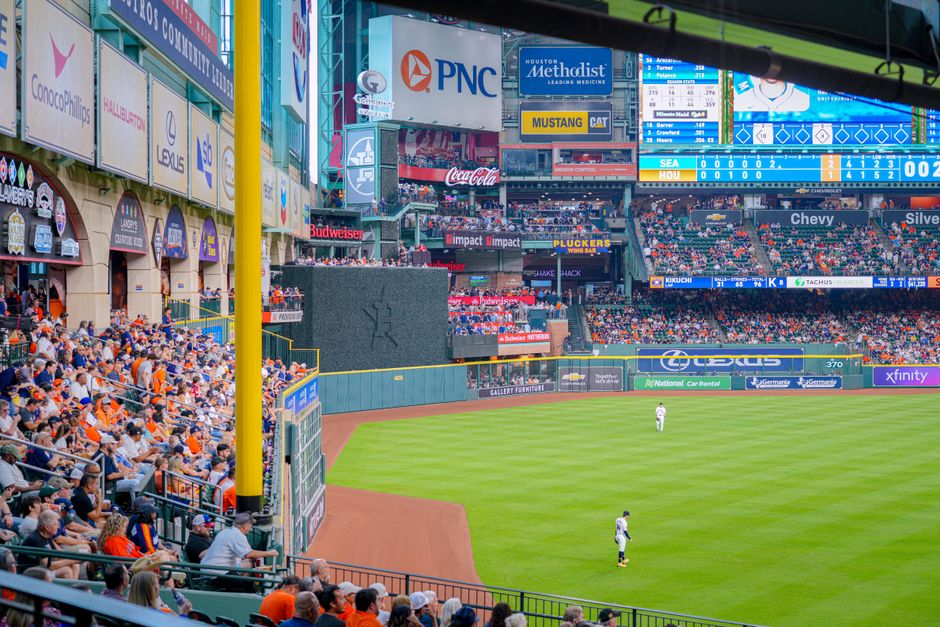
Today, the Los Angeles Dodgers announced a partnership with Uniqlo, the Japanese fast-fashion giant, to slap the company’s name on a portion of Dodger Stadium. The deal, framed as a ‘partial naming rights agreement,’ is just the latest example of how corporations are turning public spaces into advertisements for their brands. In a world where even the names of stadiums are for sale, it’s clear that nothing is sacred—not history, not community, and certainly not the idea that sports should belong to the people who love them.
The Stadium as a Corporate Billboard
Dodger Stadium, which opened in 1962, has long been a cultural landmark in Los Angeles. For decades, it was one of the few major stadiums in the U.S. that didn’t bear the name of a corporation. That’s changing now, as Uniqlo joins the ranks of companies like SoFi, Crypto.com, and Chase in turning sports venues into branded real estate. The details of the deal are still murky, but the message is clear: even the most iconic spaces are up for grabs if the price is right. This isn’t just about slapping a logo on a building—it’s about erasing the idea that public spaces should serve the public. Instead, they’re being repurposed as vehicles for corporate propaganda, where every inning, every pitch, and every home run becomes an opportunity to sell more clothes.
Uniqlo’s Exploitative Empire
Uniqlo, a subsidiary of Fast Retailing, is no stranger to controversy. The company has been accused of exploiting workers in its global supply chain, from sweatshop conditions in Bangladesh to wage theft in Indonesia. Its ‘LifeWear’ branding is a masterclass in corporate doublespeak, masking the reality of fast fashion’s environmental and human costs behind a veneer of affordability and accessibility. Now, by associating itself with the Dodgers, Uniqlo is trying to launder its image through the goodwill of a beloved sports team. It’s a cynical move, but an effective one—because in a capitalist society, money buys not just naming rights, but respectability.
The Death of Public Space
This deal is part of a broader trend: the privatization of public spaces. Stadiums, parks, and even city streets are increasingly being turned into platforms for corporate messaging. The Dodgers, a team once owned by the community-minded O’Malley family, are now just another asset in the portfolio of Guggenheim Partners, a private equity firm. The team’s value has skyrocketed under corporate ownership, but the fans—and the workers who make the games possible—see little of that wealth. Instead, they’re left with higher ticket prices, worse working conditions, and a stadium that feels less like a home and more like a mall.
The Illusion of Choice
The Dodgers’ partnership with Uniqlo is being sold as a way to ‘enhance the fan experience,’ but let’s be real: this is about extracting more value from a captive audience. Fans don’t get a say in whether their stadium becomes a billboard—they’re just expected to go along with it. The same goes for the workers who make Uniqlo’s clothes or the players who perform under the stadium lights. In a system where everything is for sale, the only choice we’re given is whether to participate in our own exploitation.
Why This Matters:
This deal is a microcosm of how capitalism operates: by turning everything—even the places we gather to celebrate, mourn, or just be together—into opportunities for profit. The naming rights agreement isn’t just about a logo on a wall; it’s about the erosion of public space and the normalization of corporate control. For those of us who believe that spaces should belong to the people who use them, not the corporations that exploit them, this is a call to resist. Whether it’s through direct action, mutual aid, or simply refusing to buy into the spectacle, we have to reject the idea that our world is just another commodity to be branded and sold.