
Uruguay's World Cup campaign has stumbled out of the gate with disappointing draws against Saudi Arabia and Cape Verde, raising serious questions about coach Marcelo Bielsa's decision to exclude the nation's all-time leading scorer from his roster. The two-time World Cup winner now faces the prospect of an early exit from the tournament, with a crucial match against Spain still to come.
A Legend Watches From the Stands
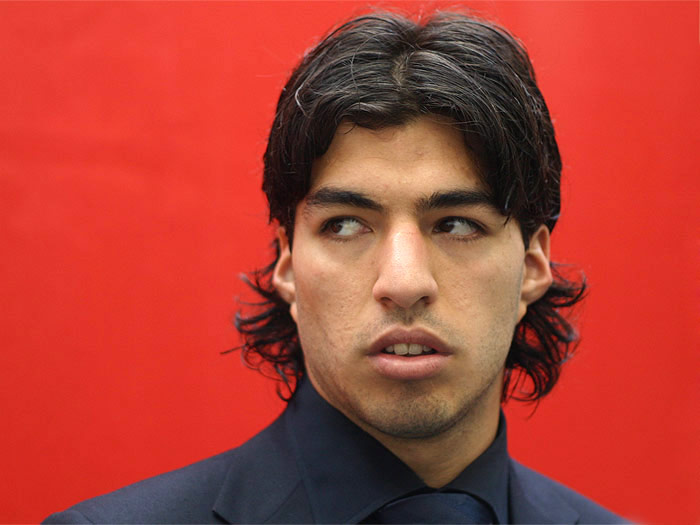
Among the fans watching from Miami Stadium was Luis Suárez, who ended his international career in 2024 as the all-time leading scorer for the national team with 69 goals in 143 appearances. Despite announcing in April that he was willing to come out of retirement to play for Uruguay in the World Cup, Suárez was ultimately left off Bielsa's squad after months of speculation. The matches were played near where Suárez serves as striker for Inter Miami, adding a poignant dimension to his exclusion from the team he once carried.
Bielsa instead placed his faith in Uruguay's next attacking generation, also excluding veteran striker Edinson Cavani from his roster. In Uruguay's first World Cup match without Suárez since 2010, the team narrowly avoided an upset against Saudi Arabia with its only goal coming late from midfielder Maxi Araújo. Nuñez and Federico Viñas led the front line but were largely ineffective.
Tactical Struggles and Missed Opportunities
After Sunday's game, Bielsa said through a translator, "I think that the problem or greatest issue is that we started the second half with the ball and with the victory. And it was at that moment that we didn't close it. We didn't make any danger." Bielsa also said his team "lacked a finishing touch" in Sunday night's draw.
Bielsa chose a different lineup Sunday night, starting only Viñas to lead the attack. Midfielder Agustín Canobbio was added to the starting lineup against Cape Verde and made a difference, scoring Uruguay's second goal. It was Canobbio's narrow miss in the second half, however, that could have given Uruguay a much-needed victory.
Divided Fans and Uncertain Future
Uruguay supporter Frederico Suárez said, "(I have) mixed feelings to be honest. He's old and now it's time for the younger players. But he's a good player, maybe the best player I've ever watched with Uruguay." Uruguay fan Ian Lancaster said, "I feel like he's a little older, so for players like Darwin (Núñez), I think it just gives him a little bit more of a chance to shine."
The tension between Suárez and Bielsa runs deeper than tactical decisions. Suárez and Bielsa clashed after the 2024 Copa América when Suárez criticized Bielsa for the negative environment he had created under his leadership.
All eyes will be on Uruguay on Friday as they travel to Guadalajara Stadium for a match against Spain. Uruguay fan Alfonso Aguel said, "Our expectations with Uruguay now is that we never know. We need to play every match, go match by match, and see what actually happens."
Why This Matters:
Uruguay's struggling World Cup campaign highlights the human cost of managerial decisions that prioritize abstract principles over proven results. A nation with a proud footballing tradition now risks early elimination, while its greatest-ever scorer watches from the stands despite offering to return. The exclusion of Suárez and Cavani represents more than a tactical choice—it reflects a broader tension between institutional authority and the voices of those who have carried their country's hopes. For Uruguayan fans who have invested their passion and resources to support their team, the disappointing results raise legitimate questions about accountability and whether leadership is serving the collective interest of the national team and its supporters.